78 rpm shellac vintage
1344×768 · AVIF · CC BY 4.0
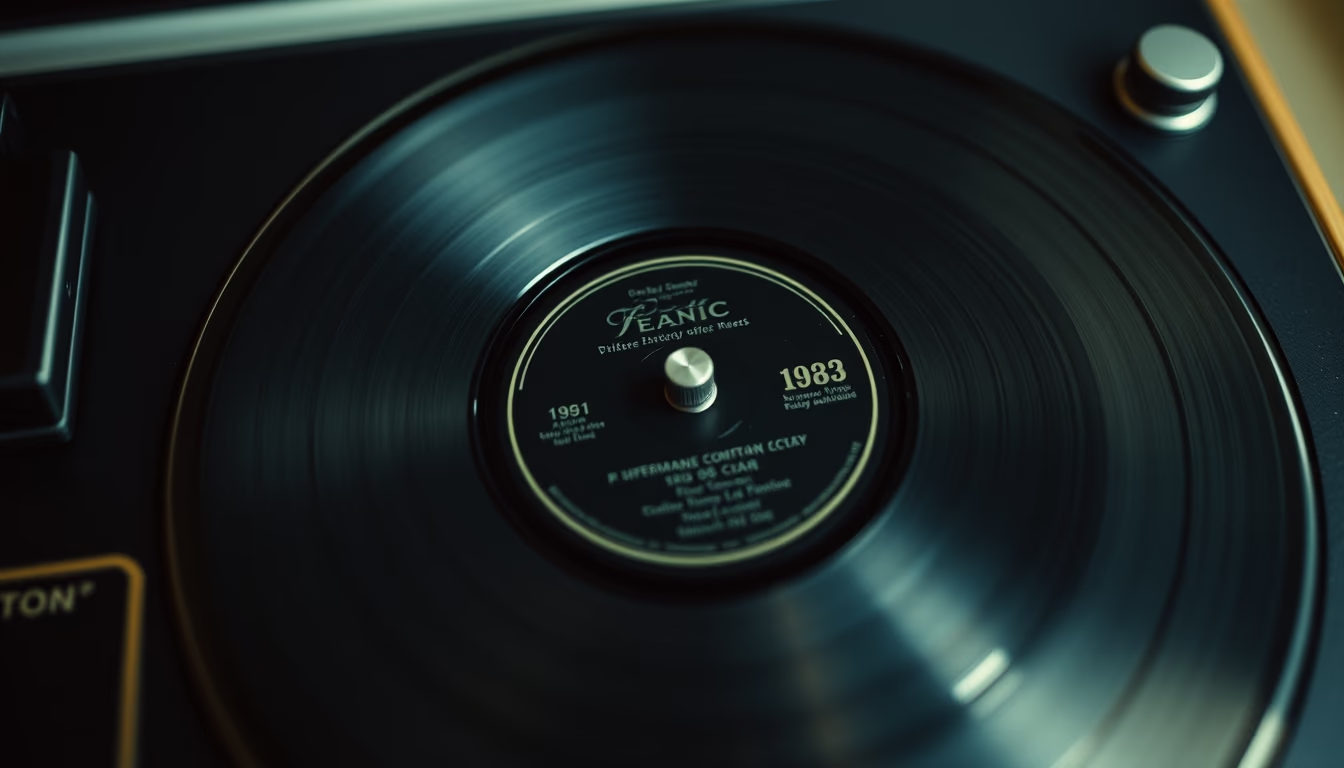
78 rpm records made of shellac dominated the recording industry from the early 20th century until the 1950s.
About this subject
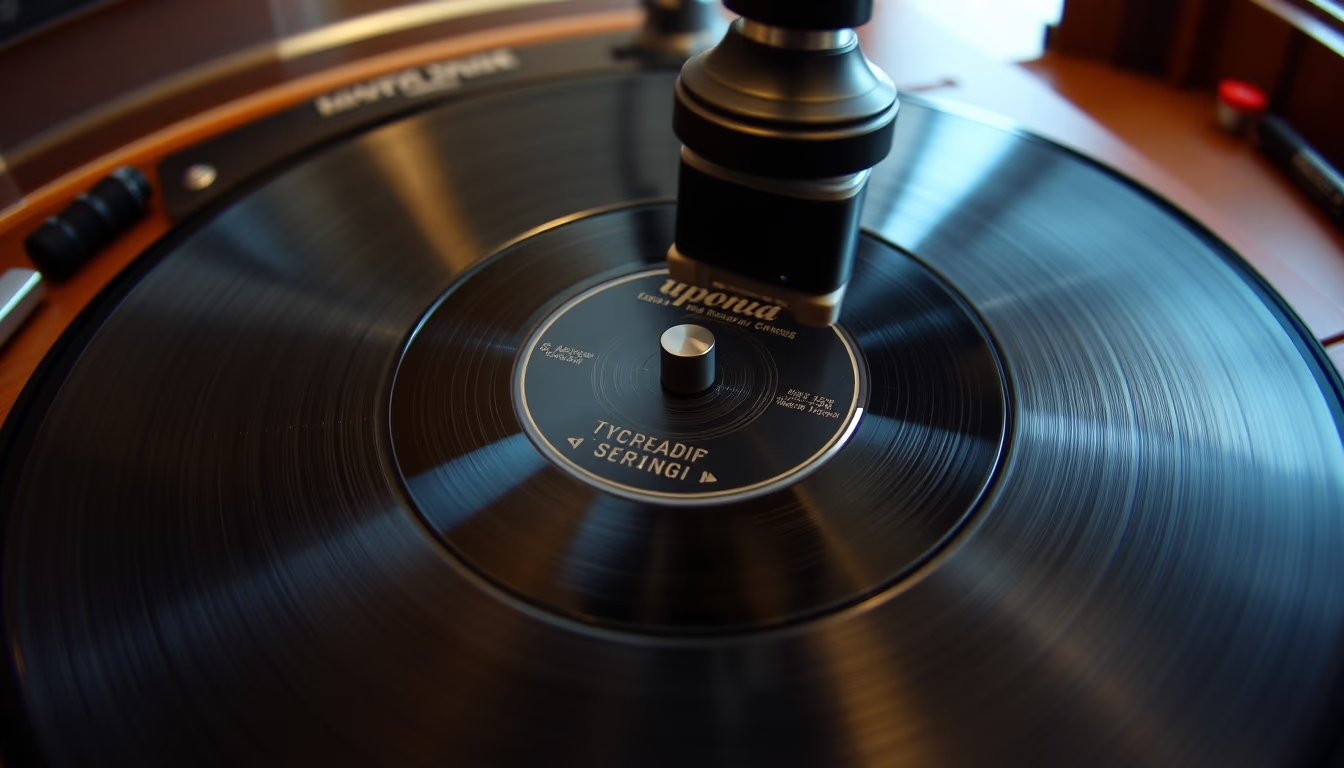
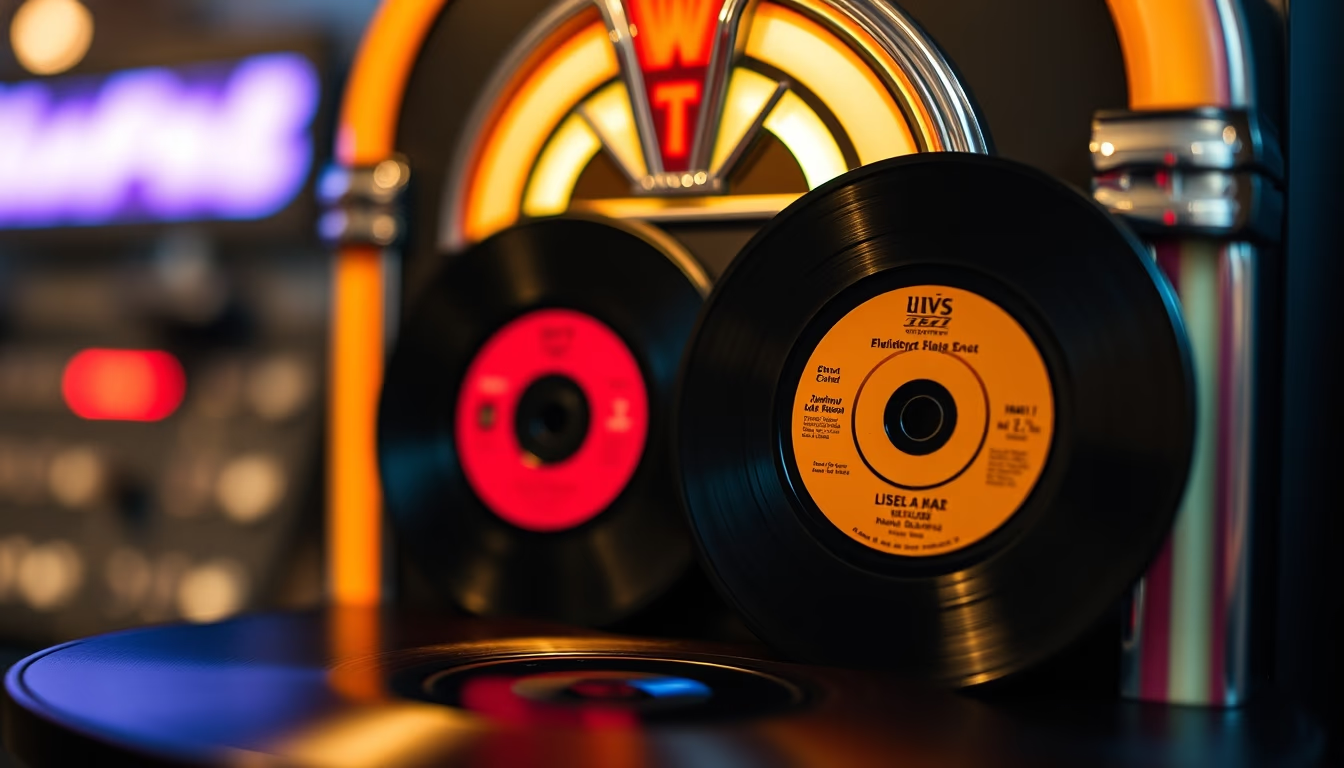
78 revolutions per minute (rpm) records were the primary sound recording format for about five decades, from the late 1890s until the mid-1950s. They were made of shellac, a natural resin secreted by the insect Kerria lacca, mixed with mineral fillers and colorants. This material made the records rigid but fragile and heavy, typically weighing between 180 and 220 grams each. Each side held only 2 to 5 minutes of audio, limiting song length and giving rise to the 'single' format.
Historically, the standardization of 78 rpm came after early experiments with various speeds by the phonograph industry. The Victor Talking Machine Company and Columbia Records were leaders in mass production. These records carried the performances of legendary artists such as Caruso, Louis Armstrong, and in Brazil, Pixinguinha and Carmen Miranda. Because they were made of shellac, they were prone to breakage and wear from frequent playback, as steel needles gradually eroded the grooves.
In Brazil, 78 rpm records played a crucial role in spreading samba, choro, and popular music. Labels like Odeon, RCA Victor, and Columbia operated in the country, recording a vast array of regional styles. The transition to vinyl (LP) in the 1950s made shellac records obsolete, but today they are collector's items and historical research sources. Technical curiosities: the 78 rpm speed was not exact, varying between 70 and 80 rpm depending on the equipment; also, the groove was wider than that of LPs, requiring specific needles.
Frequently Asked Questions
What is a 78 rpm record?
It is a phonograph record that rotates at approximately 78 revolutions per minute. Made of shellac, it was the main music format from the late 19th century until the 1950s.
Why are 78 rpm records so fragile?
They were made of shellac, a natural resin that is hard but brittle. The material was mixed with fillers that increased rigidity but made the disc prone to cracks and breakage.
What is the historical importance of 78 rpm records?
They documented early 20th century music, including jazz, blues, classical, and Brazilian regional genres like samba and choro. Many historical recordings exist only in this format.
Direct URL
https://pub-c7d6a6ea828543ac903a74a341ccb2e1.r2.dev/imagens/78-rpm-shellac-vintage-lo-fi-disposable-camera-fresh14.avifHow to credit
Include a visible link back to UtilizAí. Copy one of the snippets below:
<a href="https://xn--utiliza-eza.com/en/midia/imagens/78-rpm-shellac-vintage-lo-fi-disposable-camera-fresh14">78 rpm shellac vintage</a> by <a href="https://xn--utiliza-eza.com">UtilizAí</a>, licensed under <a href="https://creativecommons.org/licenses/by/4.0/">CC BY 4.0</a>.
[78 rpm shellac vintage](https://xn--utiliza-eza.com/en/midia/imagens/78-rpm-shellac-vintage-lo-fi-disposable-camera-fresh14) by [UtilizAí](https://xn--utiliza-eza.com), CC BY 4.0
License: CC-BY-4.0