78 rpm shellac vintage
1344×768 · AVIF · CC BY 4.0
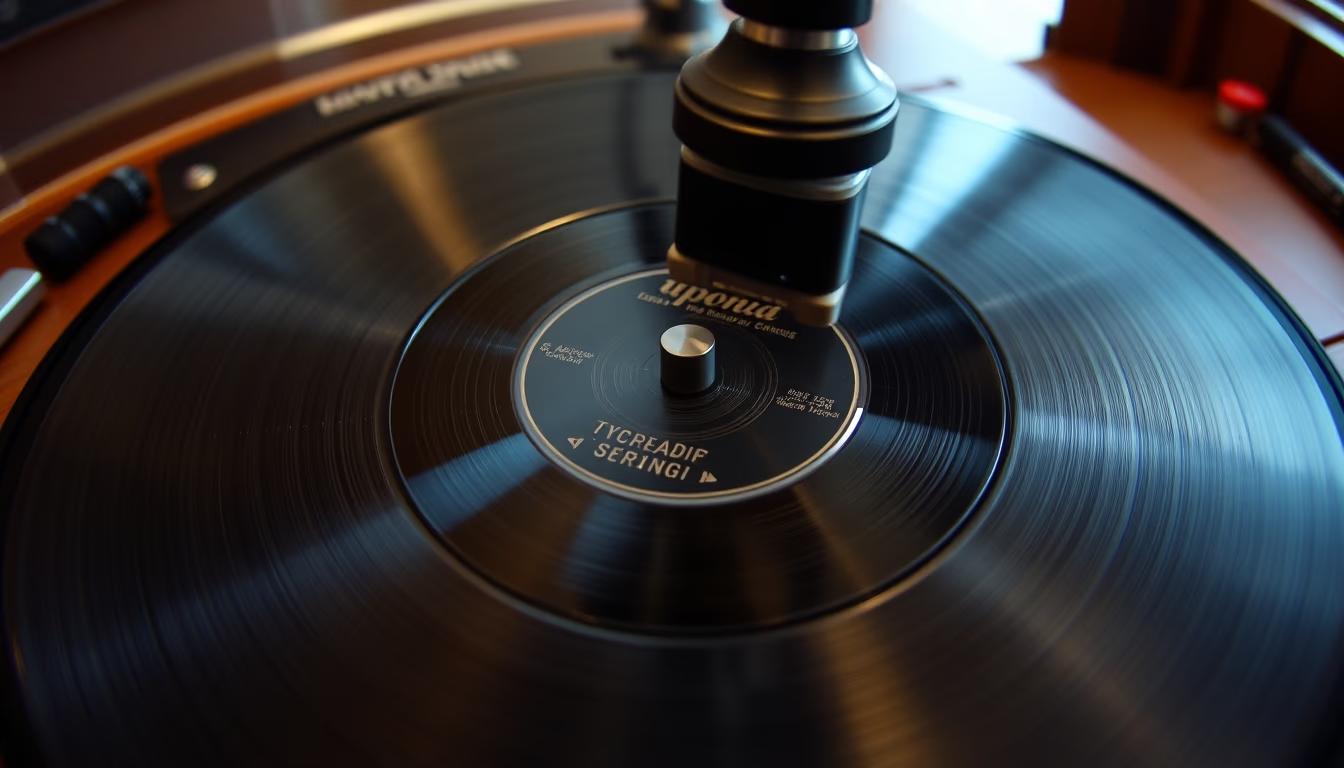
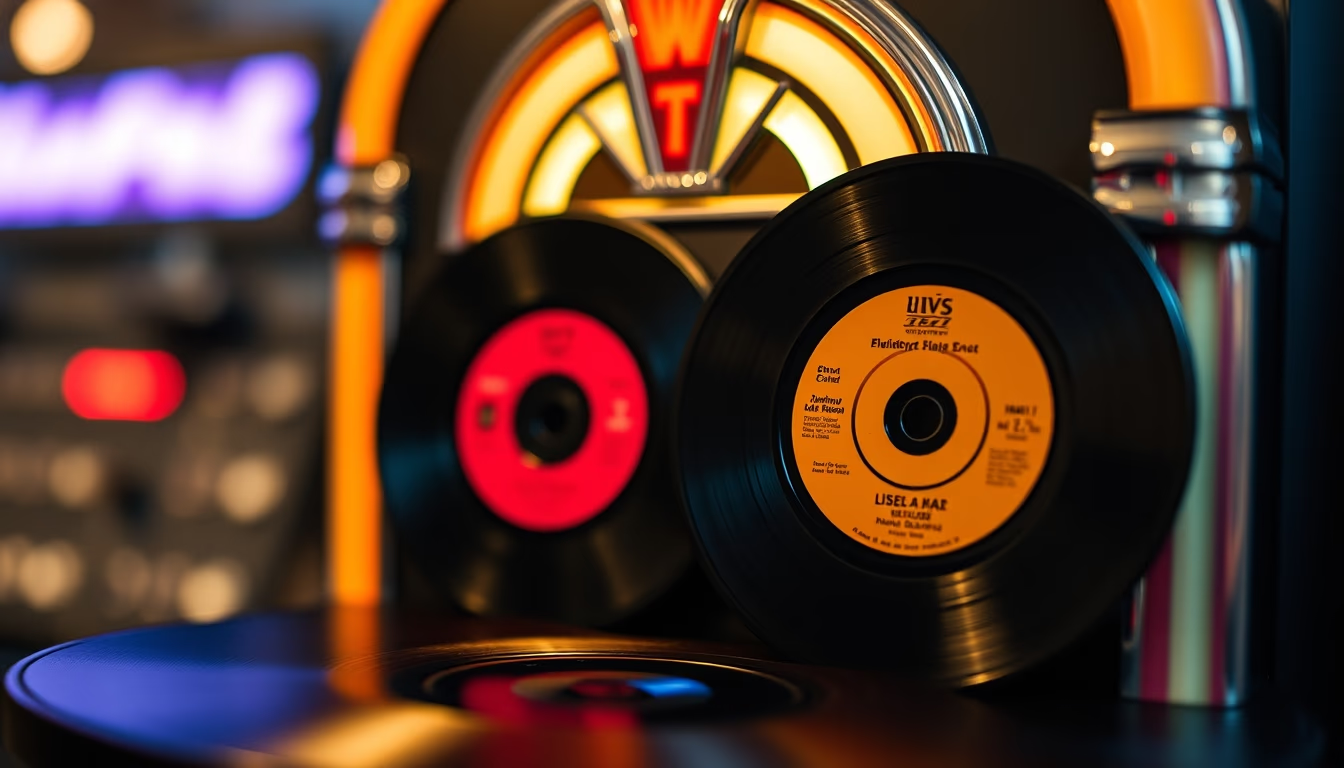
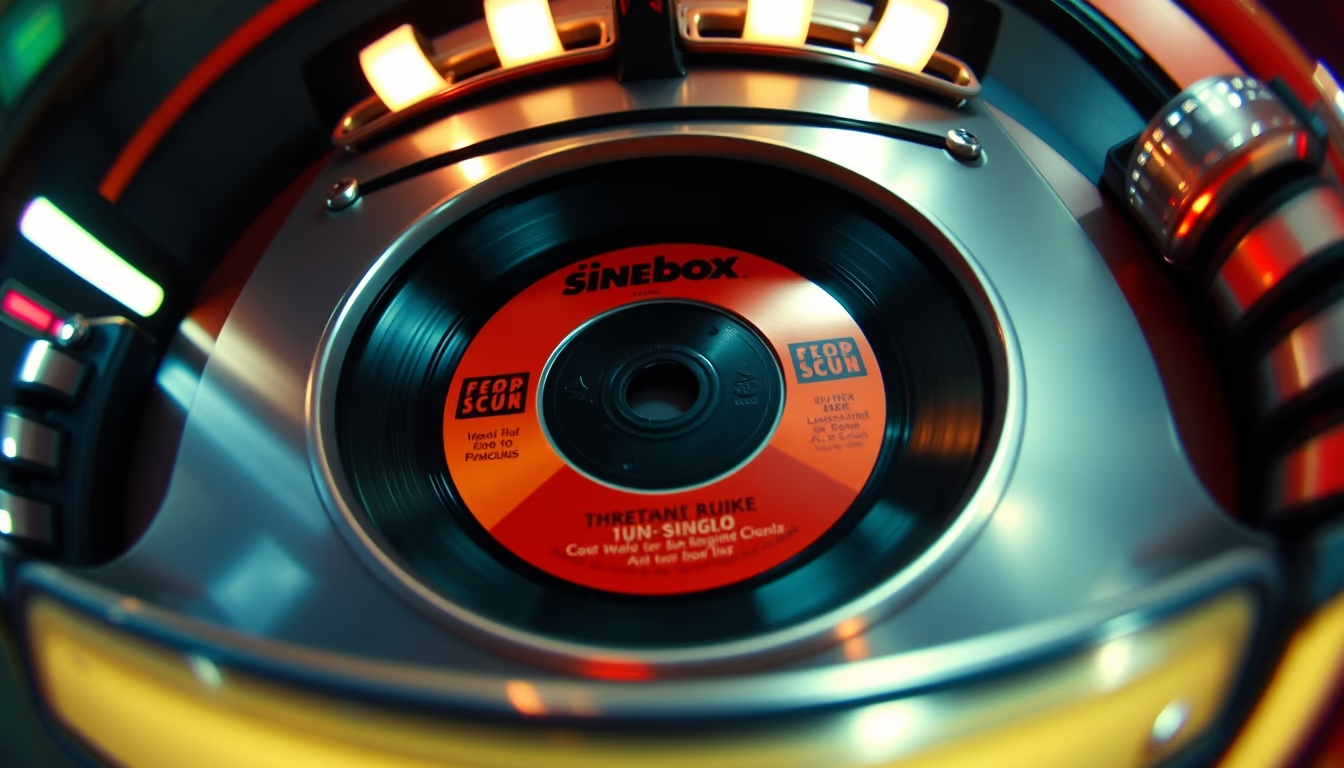
78 rpm records made of shellac dominated the recording industry from the early 20th century until the 1950s, carrying the first recordings of jazz, blues and popular music.
About this subject
The 78 rpm record was the dominant audio format from the 1890s to the late 1950s. Made of shellac, a natural resin secreted by the lac bug (Kerria lacca) mixed with fillers like stone powder and cotton, the material was hard and brittle. Most discs were 10 or 12 inches in diameter and offered about 3 to 4 minutes of music per side, limiting compositions to short songs. The 78 rpm speed was standardized in the 1920s, replacing the variable speeds of early phonographs.
Culturally, shellac records were the medium for spreading genres such as jazz, blues, classical music, and in Brazil, early recordings of choro and samba. Iconic artists like Louis Armstrong, Bessie Smith and Pixinguinha had their works immortalized on this support. The fragility of shellac required special care: steel needles had to be replaced after each play, and the tonearm pressure increased wear. From the 1940s, vinyl began to replace shellac due to its greater durability and longer playing time with the advent of 33 1/3 rpm LPs.
Curiously, production of shellac records continued in some countries into the 1960s to serve rural and low-income markets. Today, 78 rpm records are collector's items and historical relics. Their characteristic sound, with surface noise and limited frequency response, is appreciated by purists and vintage sound enthusiasts. Preserving these recordings is challenging: shellac can warp with heat and accumulate mold, requiring storage in a dry, temperature-controlled environment.
Frequently Asked Questions
Why were 78 rpm records made of shellac?
Shellac was the available material at the time that could be molded into discs hard enough to hold the recorded grooves. It was also cheaper than synthetic plastics, which only became commercially available after World War II.
How long does a 78 rpm record typically play?
Each side of a 10-inch 78 rpm record plays about 3 minutes; a 12-inch can reach 4 minutes. The higher speed (78 rpm) allowed good fidelity but limited recording time.
How to preserve vintage shellac records?
Store discs vertically in a dry place with a temperature between 18 and 22 °C. Avoid sunlight and clean with a soft dry cloth. Never use alcohol or chemicals, as they can damage the surface.
Direct URL
https://pub-c7d6a6ea828543ac903a74a341ccb2e1.r2.dev/imagens/78-rpm-shellac-vintage-fish-eye-wide-angle-fresh18.avifHow to credit
Include a visible link back to UtilizAí. Copy one of the snippets below:
<a href="https://xn--utiliza-eza.com/en/midia/imagens/78-rpm-shellac-vintage-fish-eye-wide-angle-fresh18">78 rpm shellac vintage</a> by <a href="https://xn--utiliza-eza.com">UtilizAí</a>, licensed under <a href="https://creativecommons.org/licenses/by/4.0/">CC BY 4.0</a>.
[78 rpm shellac vintage](https://xn--utiliza-eza.com/en/midia/imagens/78-rpm-shellac-vintage-fish-eye-wide-angle-fresh18) by [UtilizAí](https://xn--utiliza-eza.com), CC BY 4.0
License: CC-BY-4.0