78 rpm shellac vintage
1344×768 · AVIF · CC BY 4.0
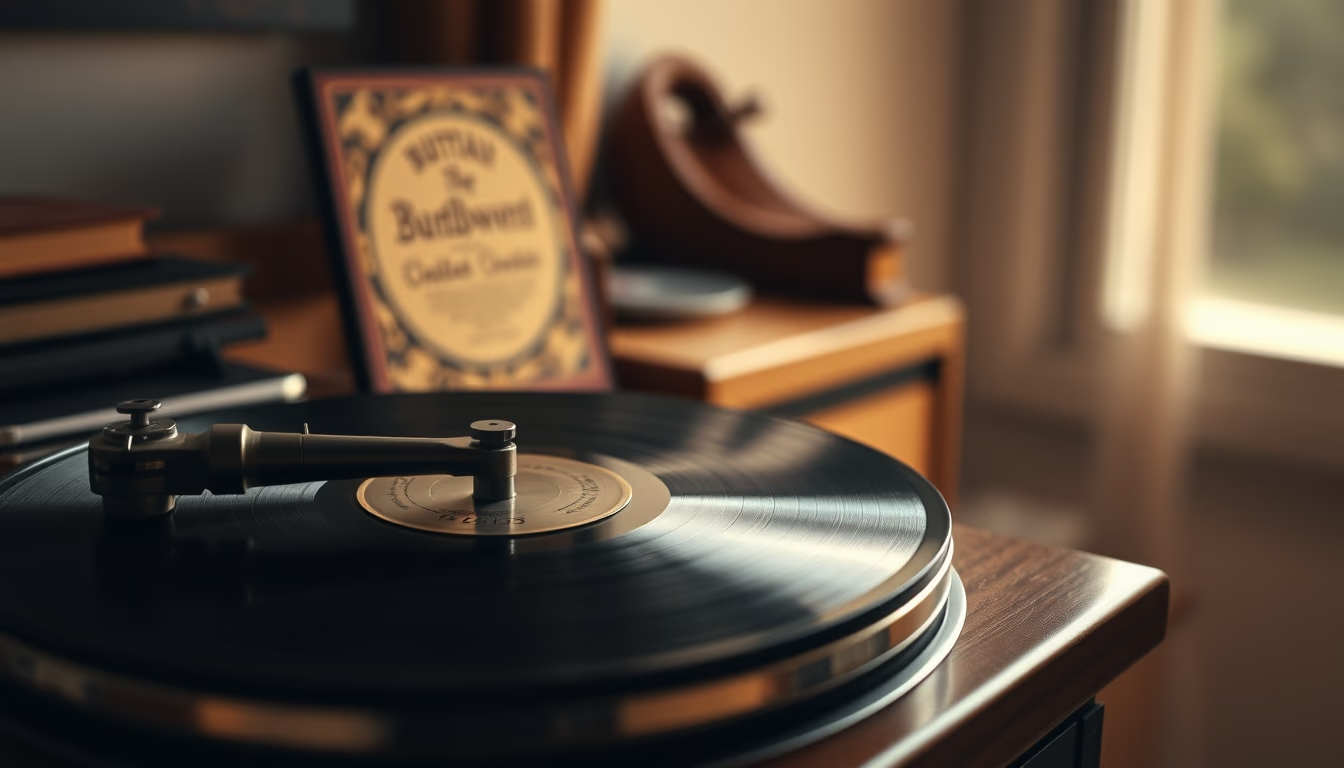
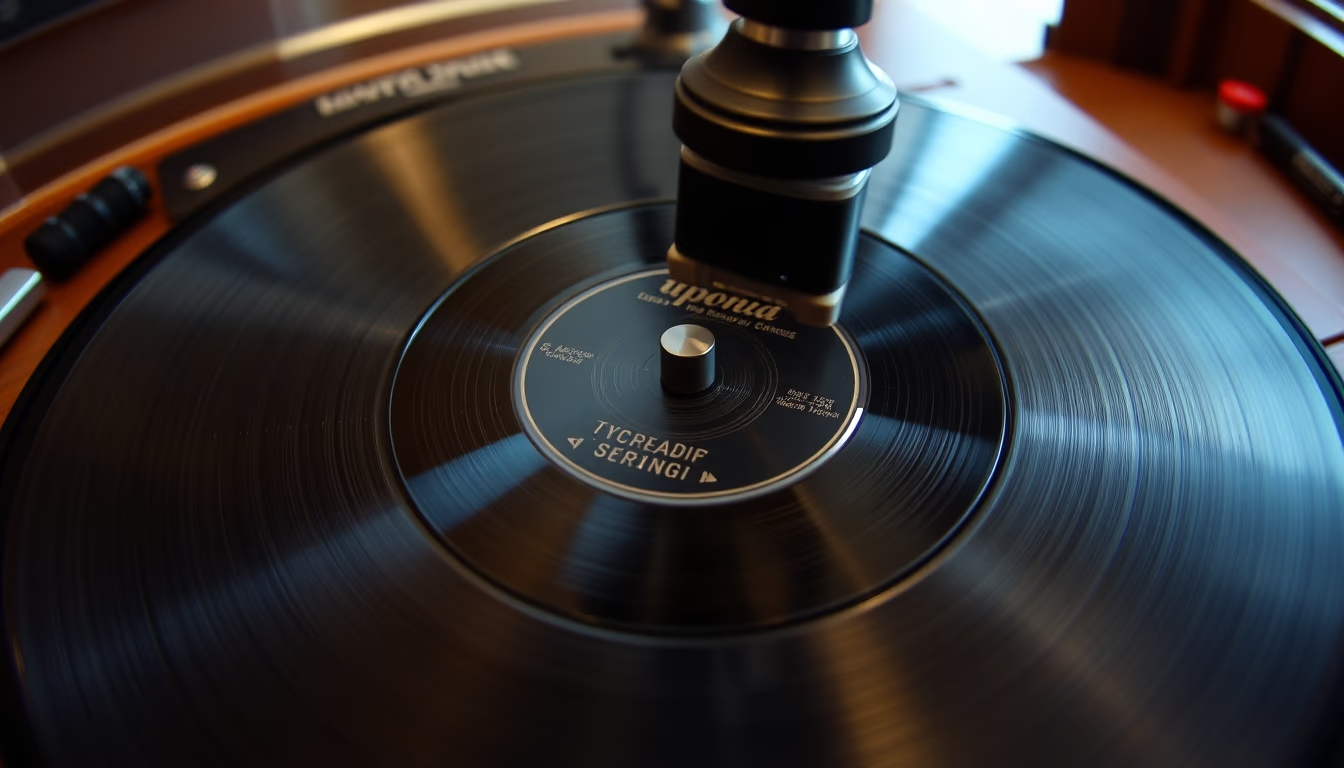
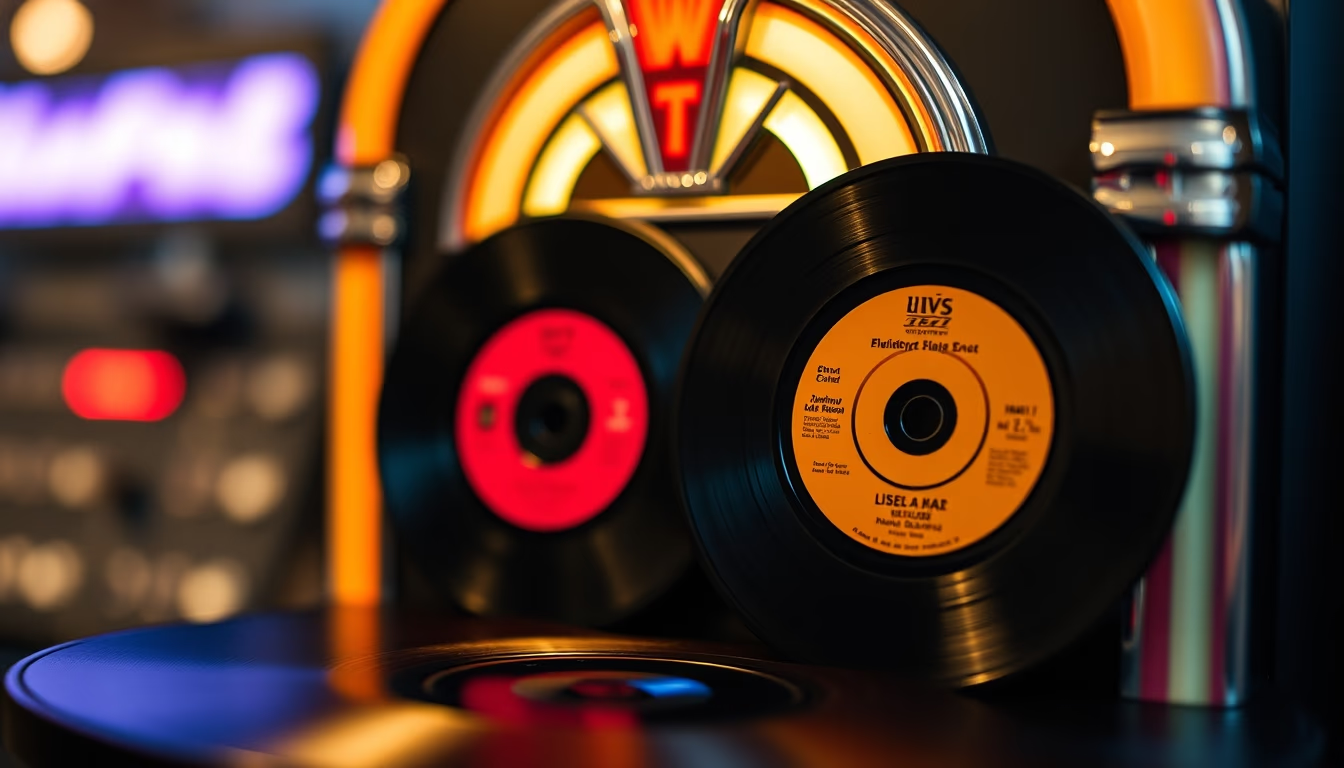
78 revolutions per minute shellac record, the predominant phonographic medium between 1898 and 1950, known for its fragility and characteristic sound.
About this subject
78 revolutions per minute (rpm) records were the dominant sound recording format from the late 19th century until the mid-1950s. Unlike later vinyl, these discs were made of shellac, a natural resin secreted by the lac insect (Kerria lacca), mixed with mineral fillers such as slate dust. The result was a rigid, heavy, and extremely brittle material: a single drop could shatter the record or a worn needle could permanently scratch the groove.
In Brazil, 78 rpm records were the golden medium for samba, choro, frevo, and serestas. Legendary artists including Pixinguinha, Noel Rosa, and Carmen Miranda recorded on this format, which allowed only about three minutes of playing time per side due to the limitations of acoustic and early electrical recording. Major Brazilian labels like Odeon, RCA Victor, and Columbia released hundreds of titles each year. Standard diameters were 10 or 12 inches, with grooves wider than those of LPs, resulting in lower fidelity but a warm, nostalgic timbre highly prized by collectors today.
A curious fact is that 78 rpm was not a universal standard: some early recordings spun at 76, 80, or even 82 rpm, and it was only after 1925 that the industry agreed on 78 revolutions per minute. Playing these records required steel needles that wore out quickly, each needle typically lasted only one or two plays. Consequently, gramophones came with a reservoir of fresh needles, and the user replaced them after each side. The major shift came with the introduction of the 33⅓ rpm vinyl LP by Columbia in 1948 and the 45 rpm single by RCA in 1949. Production of shellac 78s plummeted during the 1950s, but they never vanished: today, original pressings are treasured by historians and audiophiles who seek out restored playback equipment.
The legacy of 78 rpm records is immense: they preserved folk music, early jazz, opera, and the oral traditions of many cultures. In Brazil, projects like "Discos do Brasil" and university archives are digitizing thousands of titles, ensuring that unique recordings are not lost to time. The fragility of shellac demands careful storage: records must be kept upright, never stacked, in a stable environment free from humidity and temperature swings. For collectors, each disc holds a story, whether through its label, the wear of its sleeve, or the advertisements printed on the back cover.
Frequently Asked Questions
Why are 78 rpm records so fragile?
They were made of shellac, a natural resin that becomes brittle over time and does not withstand impacts well. Unlike vinyl, shellac is not flexible, so any pressure or drop causes cracks or breakage.
What is the difference between a 78 rpm record and a vinyl LP?
78 rpm records are heavier, more fragile, have wider grooves, lower fidelity, and only about 3 minutes per side. Vinyl LPs are flexible, more durable, have fine grooves, play at 33⅓ rpm, and hold up to 30 minutes per side.
How can I play a 78 rpm record today?
You need a turntable with adjustable speed for 78 rpm and a special stylus designed for shellac, usually wider than vinyl needles. Many modern turntables lack this speed, but dedicated models or vintage converters are available.
Direct URL
https://pub-c7d6a6ea828543ac903a74a341ccb2e1.r2.dev/imagens/78-rpm-shellac-vintage-documentary-photography-fresh1.avifHow to credit
Include a visible link back to UtilizAí. Copy one of the snippets below:
<a href="https://xn--utiliza-eza.com/en/midia/imagens/78-rpm-shellac-vintage-documentary-photography-fresh1">78 rpm shellac vintage</a> by <a href="https://xn--utiliza-eza.com">UtilizAí</a>, licensed under <a href="https://creativecommons.org/licenses/by/4.0/">CC BY 4.0</a>.
[78 rpm shellac vintage](https://xn--utiliza-eza.com/en/midia/imagens/78-rpm-shellac-vintage-documentary-photography-fresh1) by [UtilizAí](https://xn--utiliza-eza.com), CC BY 4.0
License: CC-BY-4.0