78 rpm shellac vintage
1344×768 · AVIF · CC BY 4.0
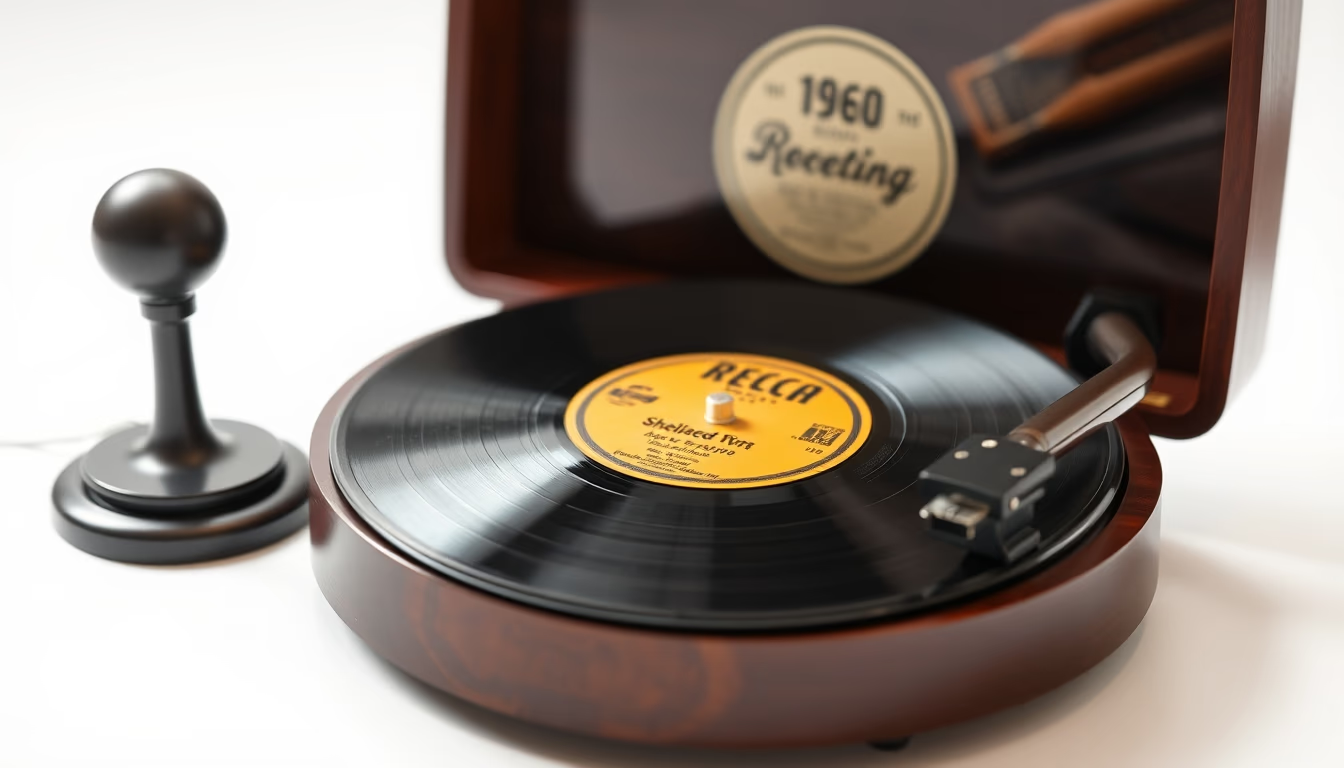
78 revolutions per minute (RPM) records made of shellac dominated the recording industry from 1898 until the late 1950s.
About this subject
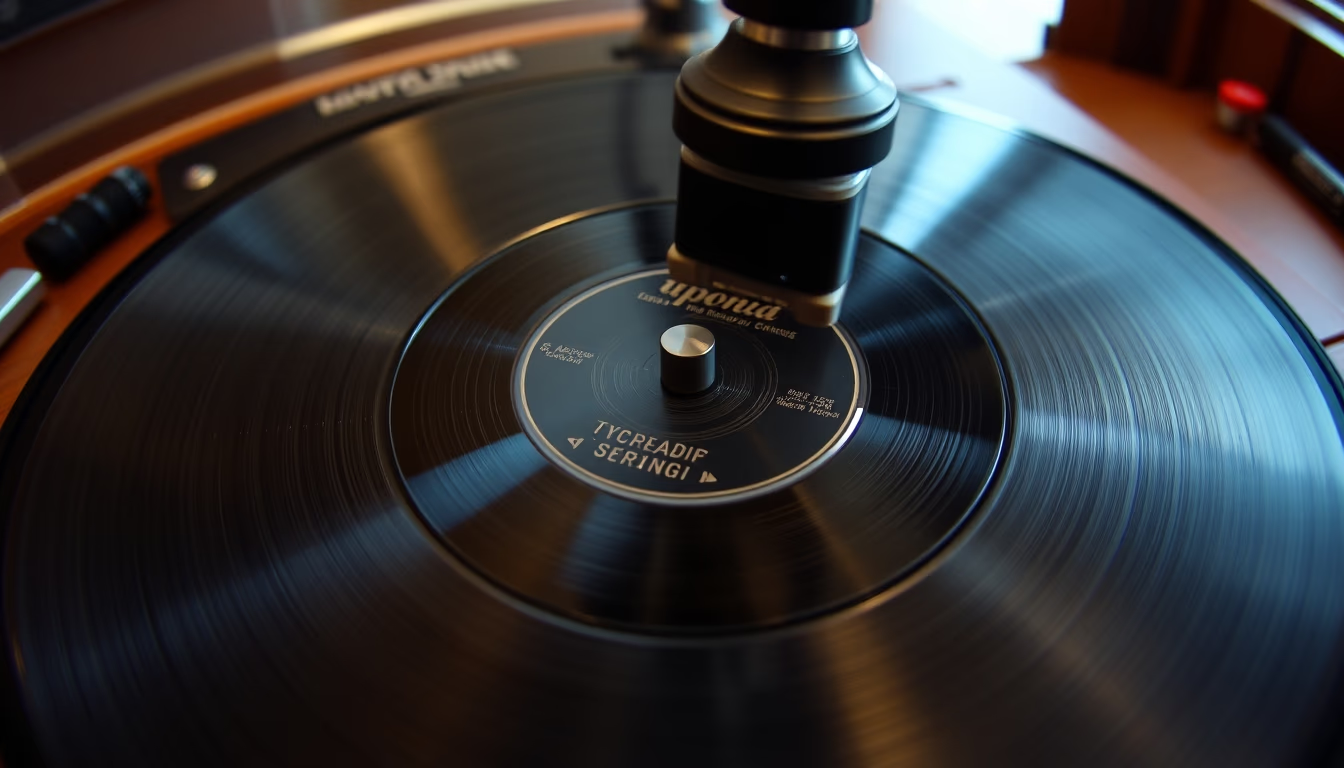
78 RPM records are the direct predecessors of vinyl. They were made from shellac, a natural resin secreted by the lac bug Kerria lacca, mixed with mineral fillers such as slate powder or calcium carbonate. This composition made the records rigid but extremely fragile, a drop could shatter them. The standard rotation speed was 78 revolutions per minute, though variations like 80 RPM existed in some countries. Each side held about three to five minutes of audio, limiting recordings to short songs or excerpts of longer works.
During the first half of the 20th century, 78 RPM records were the main medium for music distribution. They carried everything from early jazz and blues recordings by artists like Louis Armstrong and Bessie Smith to classical music with Caruso, as well as sambas, marchinhas, and boleros in Brazil. The needles used for playback were made of steel or fiber and had to be replaced frequently to avoid damaging the grooves. The sound was characterized by surface hiss and noise, but for the time, the fidelity was impressive.
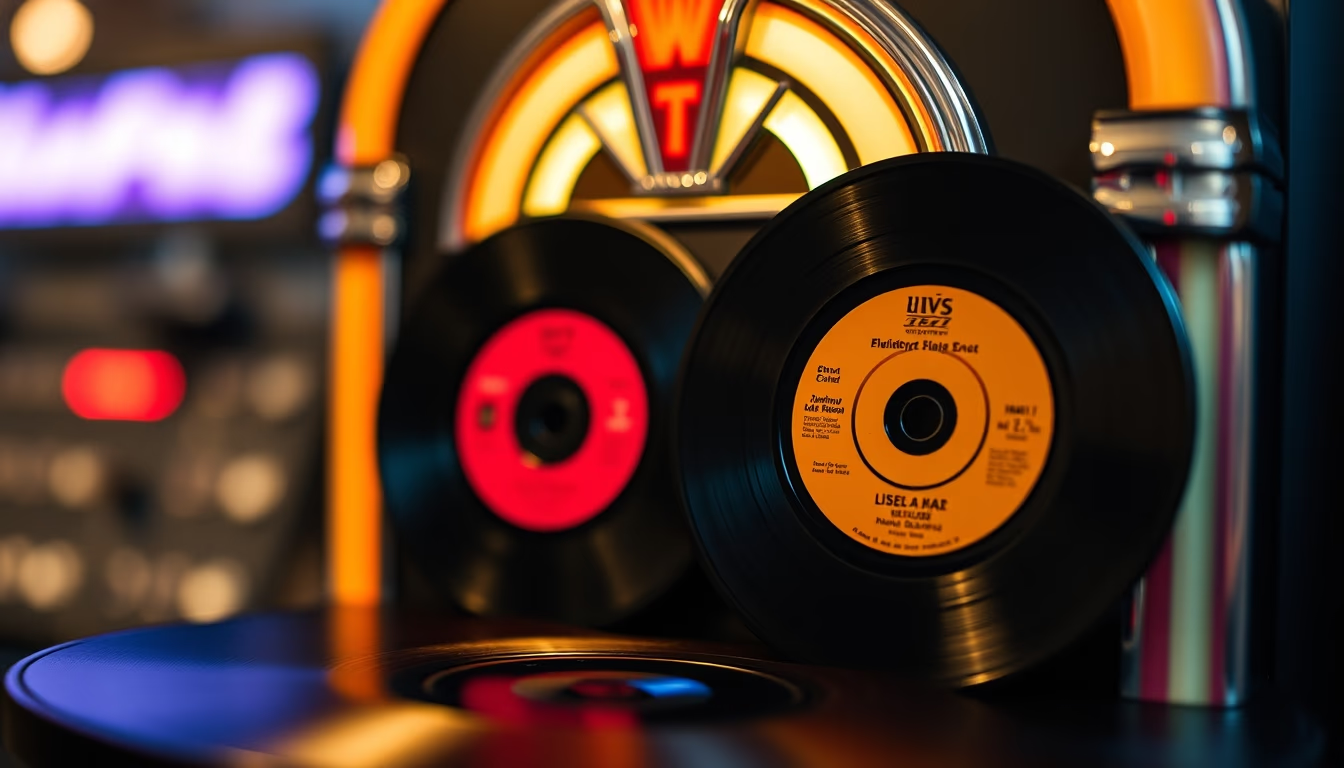
The decline of 78 RPM began in the 1950s with the introduction of vinyl at 33⅓ RPM (LPs) and 45 RPM. Shellac was brittle and heavy, while vinyl allowed for longer playing time and better sound quality. Even so, 78 RPM records continued to be produced in some countries into the 1960s, especially in peripheral markets. Today, they are collectible items valued for their historical significance and vintage aesthetic. Many of these records are digitized by archivists and enthusiasts to preserve rare recordings, especially of artists who never transitioned to vinyl.
Frequently Asked Questions
What is the difference between 78 RPM records and vinyl records?
78 RPM records were made of shellac, a fragile and heavy material, while vinyl records are made of PVC, more flexible and lighter. Additionally, 78 RPM spins faster, has wider grooves, and holds only about 3 to 5 minutes per side, whereas vinyl LPs can hold up to 30 minutes per side.
Why are 78 RPM records so easily breakable?
The shellac composition mixed with mineral fillers makes the material rigid and brittle. Unlike vinyl, which is flexible, shellac does not absorb impacts and shatters when dropped or pressed.
Can I play a 78 RPM record on a modern turntable?
Yes, as long as the turntable has a motor with adjustable speed for 78 RPM and a needle suitable for wide grooves. Many modern models offer this option. A compatible phono preamplifier is also needed.
Direct URL
https://pub-c7d6a6ea828543ac903a74a341ccb2e1.r2.dev/imagens/78-rpm-shellac-vintage-commercial-product-photography-fresh9.avifHow to credit
Include a visible link back to UtilizAí. Copy one of the snippets below:
<a href="https://xn--utiliza-eza.com/en/midia/imagens/78-rpm-shellac-vintage-commercial-product-photography-fresh9">78 rpm shellac vintage</a> by <a href="https://xn--utiliza-eza.com">UtilizAí</a>, licensed under <a href="https://creativecommons.org/licenses/by/4.0/">CC BY 4.0</a>.
[78 rpm shellac vintage](https://xn--utiliza-eza.com/en/midia/imagens/78-rpm-shellac-vintage-commercial-product-photography-fresh9) by [UtilizAí](https://xn--utiliza-eza.com), CC BY 4.0
License: CC-BY-4.0