78 rpm shellac vintage
1344×768 · AVIF · CC BY 4.0

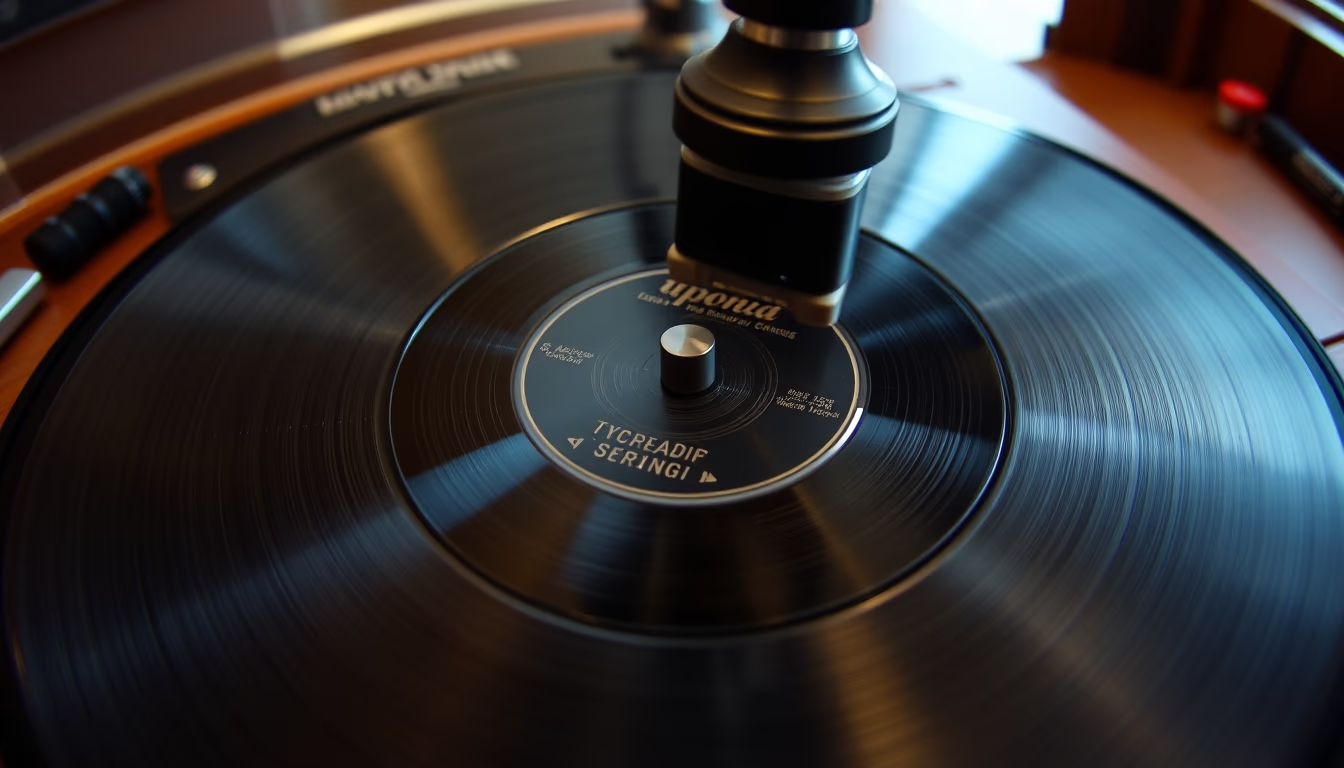
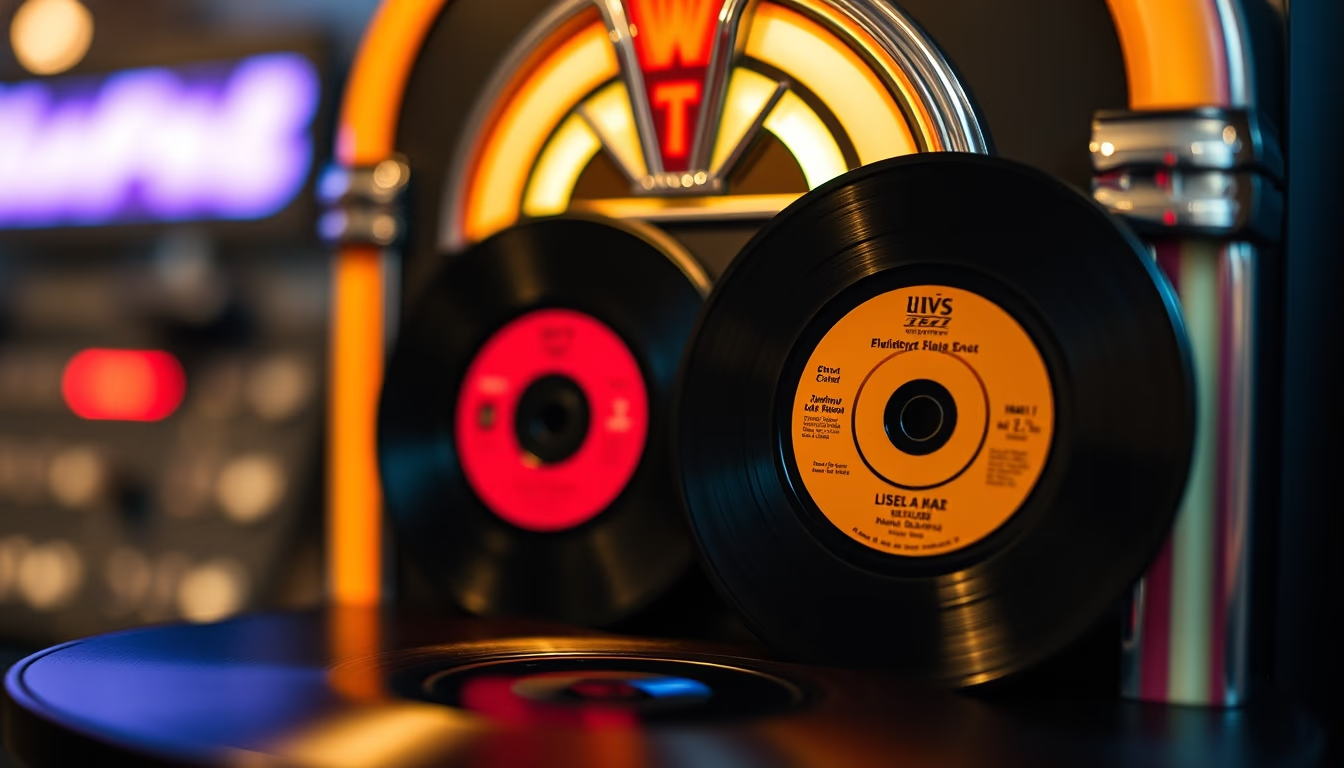
78 rpm records, made of shellac, were the standard in the recording industry from 1898 to the mid-1950s.
About this subject
The 78 rpm record was the dominant sound recording format for over five decades. Unlike later vinyl records, 78s were made of shellac, a natural resin secreted by the Kerria lacca insect, mixed with mineral fillers such as limestone and cotton fibers to add stiffness and reduce cost. This composition made them fragile and heavy: a 12-inch disc could weigh around 180 grams, and any drop would cause chips or irreparable breaks.
The 78 rpm standard was established by the Victor Talking Machine Company and the Columbia Phonograph Company, who competed fiercely. Early speeds varied, but by 1925 the industry converged on 78.26 rpm (the synchronous speed of 60 Hz electric motors with gears). Records came in 10-inch or 12-inch diameters, providing roughly three and four minutes of music per side respectively. This time limit profoundly shaped popular music, forcing composers and performers to create concise, direct arrangements.
With the advent of vinyl (the 33⅓ rpm LP and 45 rpm single) in the 1950s, the 78 rpm gradually disappeared. However, original 78 recordings are collector's treasures: artists like Caruso, Louis Armstrong, Fats Waller, and many early blues and jazz pioneers immortalized their voices on this medium. Shellac is notoriously noisy, needle friction produces hisses and crackles that require careful digital restoration. Today, 78 rpm records are collector's items, with prices ranging from a few dollars to thousands for rare editions.
Fun fact: the word "shellac" derives from the French "laque en écailles" (lac in scales), referring to the raw resin flakes. In Brazil, shellac records were produced mainly in the 1930s, 1950s by labels like Odeon, which captured classics of samba and choro.
Frequently Asked Questions
What is a 78 rpm record?
It is a phonograph record that spins at 78 revolutions per minute, made of shellac (a natural resin), and was the industry standard from 1898 until the 1950s. Each side holds about 3 to 4 minutes of audio.
Why are 78 rpm records made of shellac instead of vinyl?
Shellac was the available inexpensive material at the time, durable enough for steel needles. Vinyl came later as it was more flexible, lightweight, and quieter, but only became commercially viable in the 1940s.
How should I care for 78 rpm records?
Store them vertically in a dry, cool place away from heat sources. Handle by the edges to avoid breakage. Do not use alcohol-based cleaners, as shellac can dissolve in alcohol and get damaged.
Direct URL
https://pub-c7d6a6ea828543ac903a74a341ccb2e1.r2.dev/imagens/78-rpm-shellac-vintage-cinematic-wide-shot-fresh2.avifHow to credit
Include a visible link back to UtilizAí. Copy one of the snippets below:
<a href="https://xn--utiliza-eza.com/en/midia/imagens/78-rpm-shellac-vintage-cinematic-wide-shot-fresh2">78 rpm shellac vintage</a> by <a href="https://xn--utiliza-eza.com">UtilizAí</a>, licensed under <a href="https://creativecommons.org/licenses/by/4.0/">CC BY 4.0</a>.
[78 rpm shellac vintage](https://xn--utiliza-eza.com/en/midia/imagens/78-rpm-shellac-vintage-cinematic-wide-shot-fresh2) by [UtilizAí](https://xn--utiliza-eza.com), CC BY 4.0
License: CC-BY-4.0