45 rpm jukebox singles
1344×768 · AVIF · CC BY 4.0
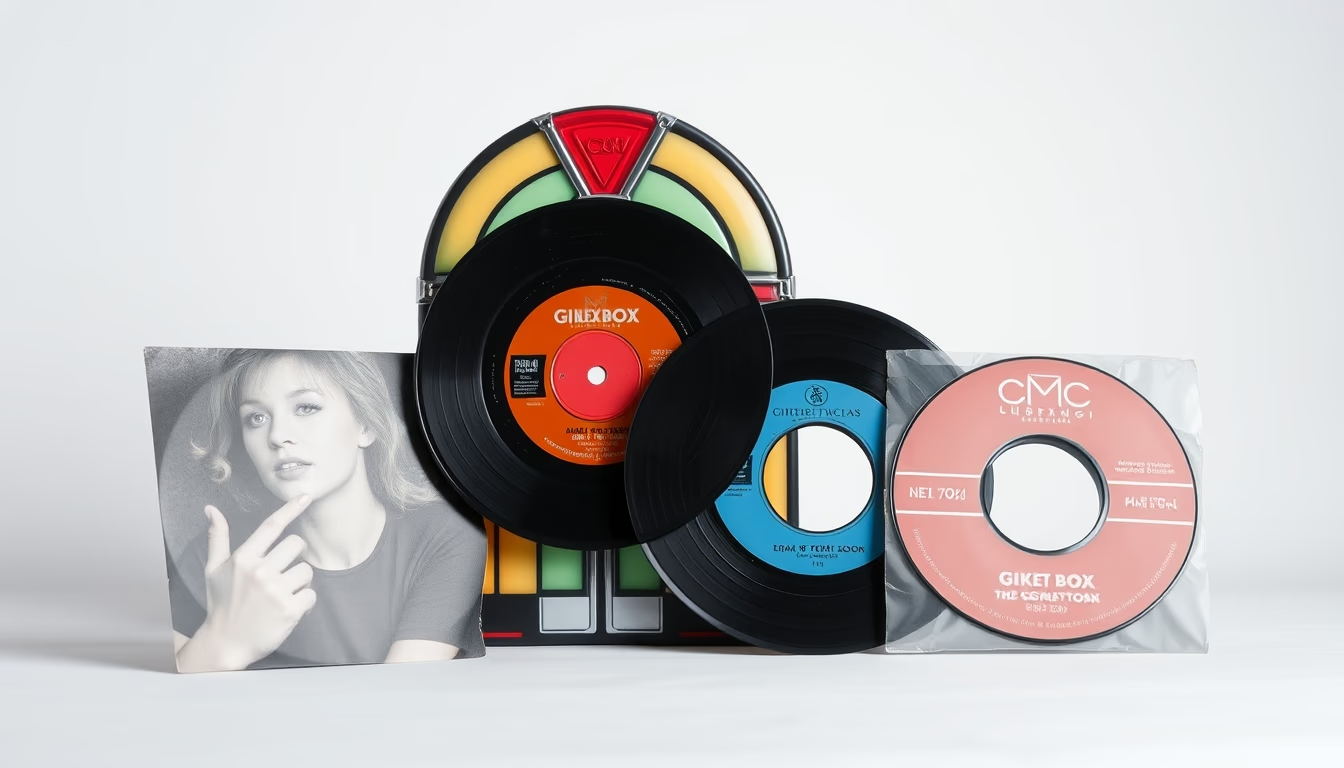
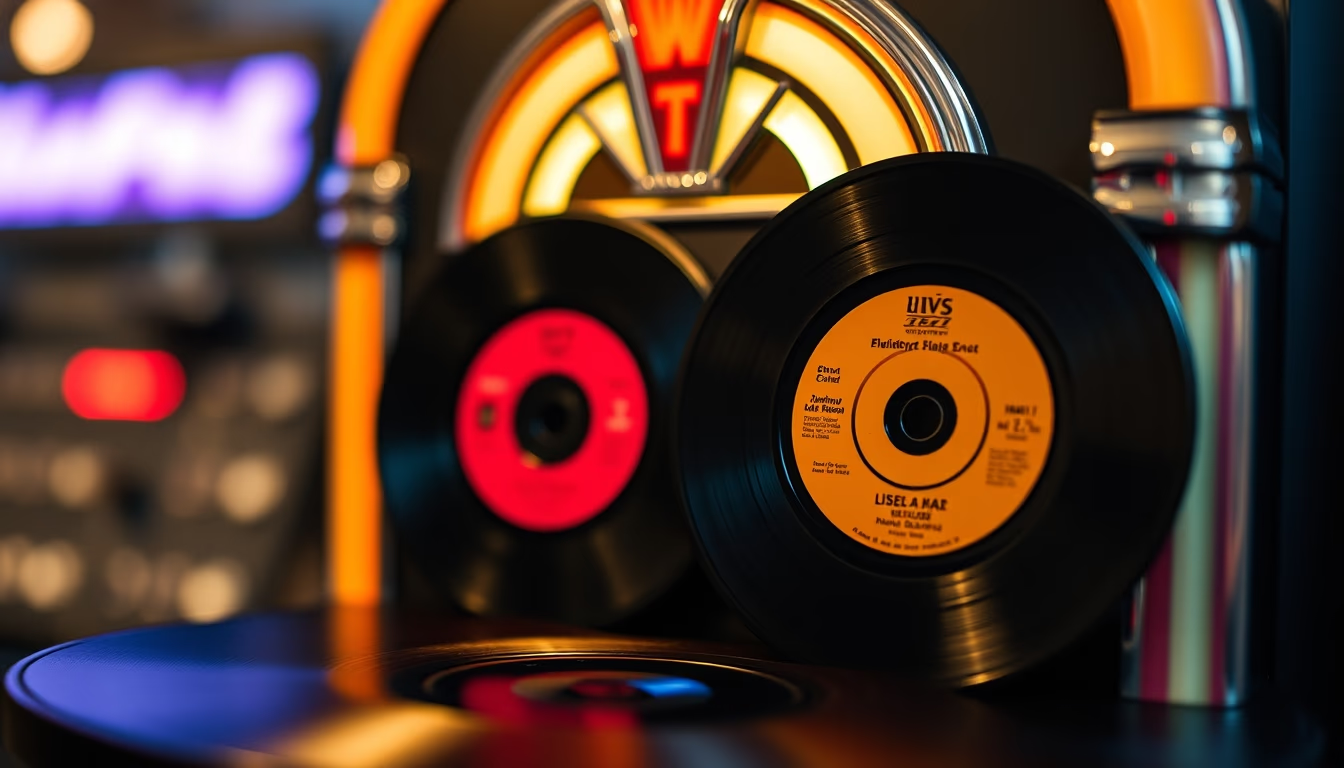
45 rpm singles were the dominant format for jukeboxes from the 1950s to the 1980s, driving popular music culture.
About this subject
The 45 rpm vinyl record was introduced by RCA Victor in 1949 as a compact and inexpensive alternative to the 78 rpm format. With a diameter of 7 inches and a large center hole, it became the standard for singles, especially for jukeboxes. Jukeboxes, automated music players, used these discs to offer a selection of hits to the public in bars, diners, and nightclubs. The 45 rpm format allowed each side to hold a single song, facilitating quick rotation and track changes in the machines.
Jukebox popularity soared in the 1950s and 1960s, driven by rock and roll and other genres. Artists such as Elvis Presley, Chuck Berry, and the Beatles released their biggest hits as 45 rpm singles, which were constantly played on jukeboxes. The music industry began prioritizing single releases to feed this market, creating a culture of music consumption focused on radio and jukebox hits.
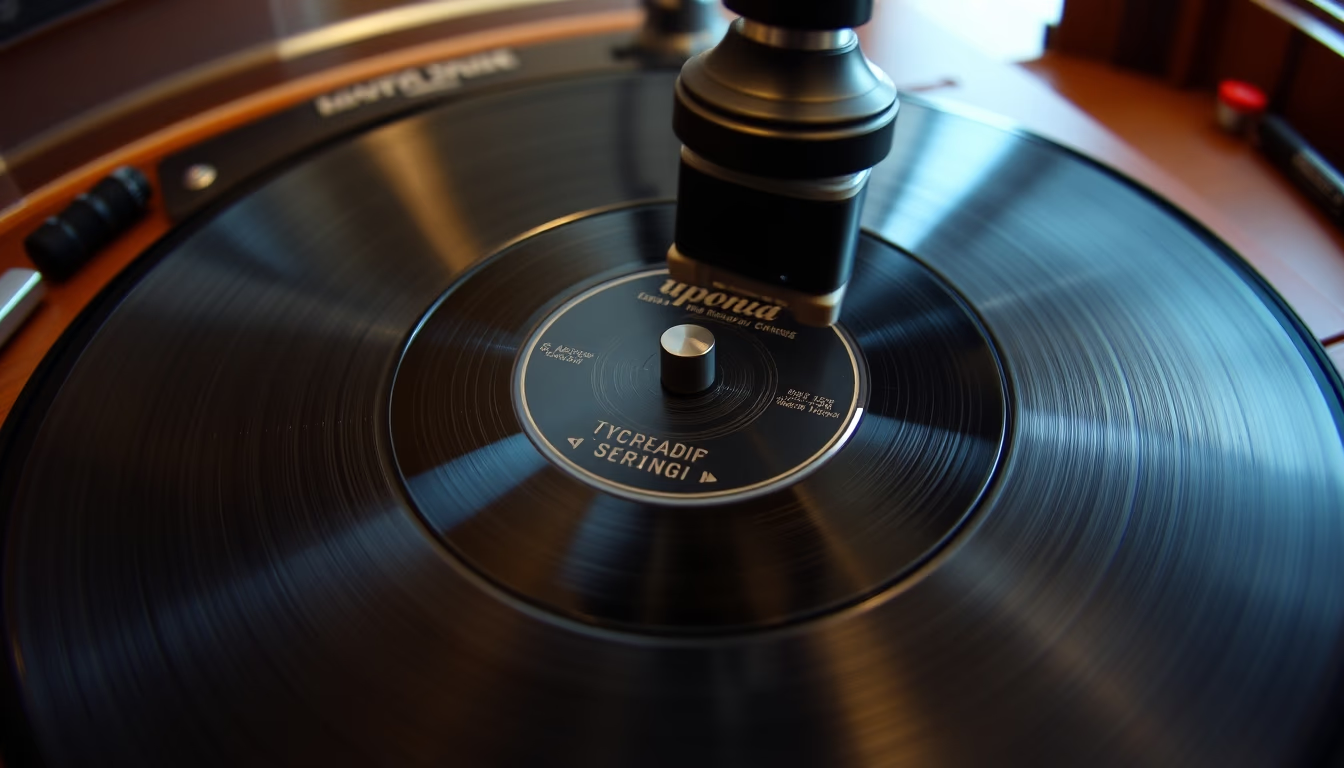
Technically, 45 rpm vinyl offered superior sound quality over 78 rpm, with lower surface noise and greater durability. The large hole (1.5 inches) was a distinctive feature: it fit perfectly into the jukebox’s spindle, allowing the automatic mechanism to select and reposition records. This characteristic also differentiated 45 rpm singles from 33 rpm LPs, which had a small hole and required adapters to play on jukeboxes.
With the advent of cassettes, CDs, and digital music, the use of jukeboxes and 45 rpm records declined from the 1980s onward. However, the format is experiencing a revival among collectors and vinyl enthusiasts, who appreciate its aesthetics and nostalgia. Today, restored classic jukeboxes can still be found in themed establishments, and 45 rpm singles remain coveted items for those seeking the authentic analog music experience.
Frequently Asked Questions
Why did 45 rpm records have a larger hole?
The large hole (1.5 inches) was designed to fit onto the jukebox's spindle, allowing the automatic record changer to select and reposition discs easily. It also eliminated the need for adapters on standard turntables.
What is the difference between 45 rpm and 33 rpm?
The 45 rpm is a 7-inch record with a large hole, used for singles (usually one track per side). The 33 rpm (LP) is 12 inches with a small hole and holds more music, such as an entire album. Both are vinyl, but the speed and size affect sound quality and playing time.
Do jukeboxes still use vinyl records today?
Yes, though they are less common. Modern jukeboxes may use CDs or streaming, but restored classic models still play 45 rpm records. Collectors and enthusiasts keep the tradition alive in bars and themed events.
Direct URL
https://pub-c7d6a6ea828543ac903a74a341ccb2e1.r2.dev/imagens/45-rpm-jukebox-singles-studio-still-life-fresh14.avifHow to credit
Include a visible link back to UtilizAí. Copy one of the snippets below:
<a href="https://xn--utiliza-eza.com/en/midia/imagens/45-rpm-jukebox-singles-studio-still-life-fresh14">45 rpm jukebox singles</a> by <a href="https://xn--utiliza-eza.com">UtilizAí</a>, licensed under <a href="https://creativecommons.org/licenses/by/4.0/">CC BY 4.0</a>.
[45 rpm jukebox singles](https://xn--utiliza-eza.com/en/midia/imagens/45-rpm-jukebox-singles-studio-still-life-fresh14) by [UtilizAí](https://xn--utiliza-eza.com), CC BY 4.0
License: CC-BY-4.0