45 rpm jukebox singles
1344×768 · AVIF · CC BY 4.0

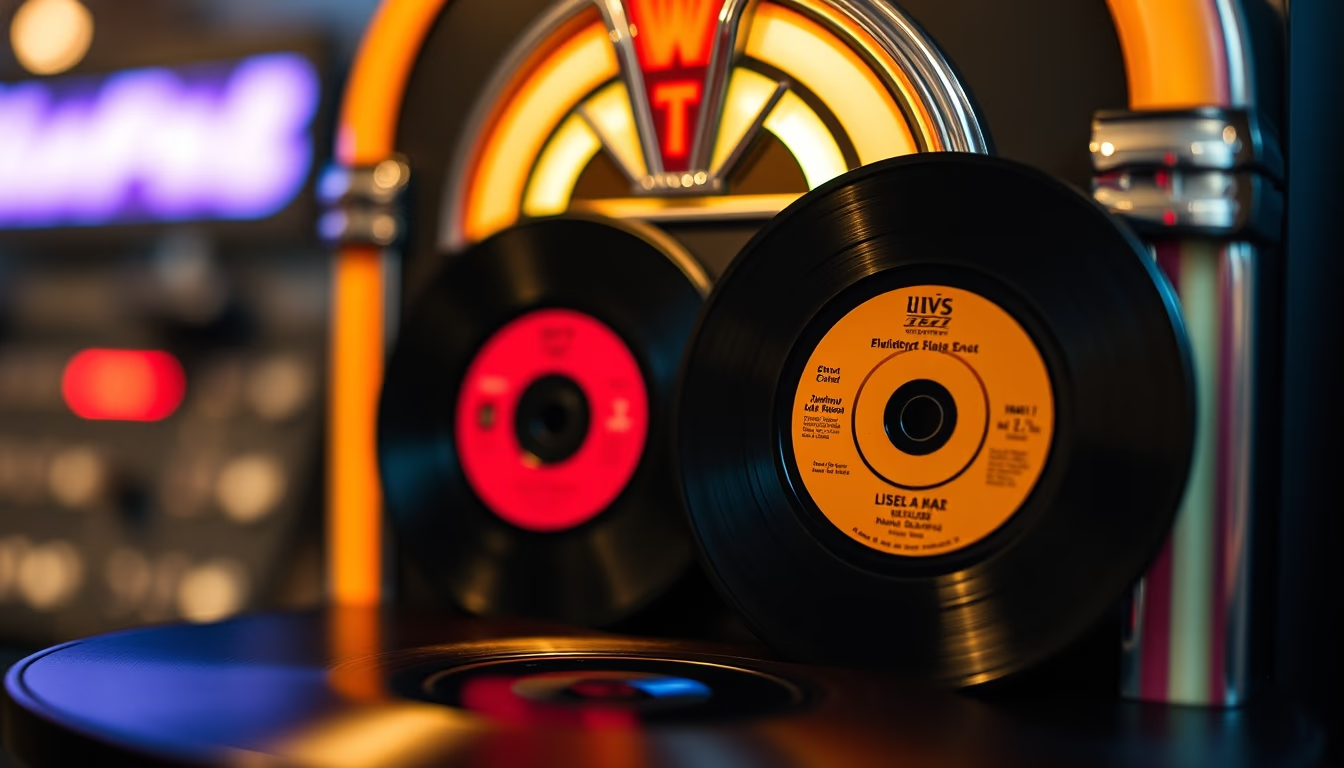
45 rpm vinyl records were the dominant format for music singles from the 1950s to the 1980s, especially in jukeboxes.
About this subject
The 45 rpm record was introduced by RCA Victor in 1949 as a smaller, more economical single format compared to the 78 rpm. With a diameter of 7 inches and a speed of 45 revolutions per minute, each side held about four minutes of music, perfect for popular songs. The larger center hole (1.5 inches) was designed for easy handling in jukeboxes, which used a spindle that fit exactly, allowing quick changes between stacked records.
Jukeboxes were the primary drivers of 45 rpm popularity. Equipped with mechanisms that automatically selected and played singles, they became ubiquitous in bars, diners, and lounges across the United States and worldwide. During the 1950s and 1960s, jukeboxes were social hubs, and hit charts were dominated by 45 rpm singles. Artists like Elvis Presley, The Beatles, and Chuck Berry built their careers on this format.
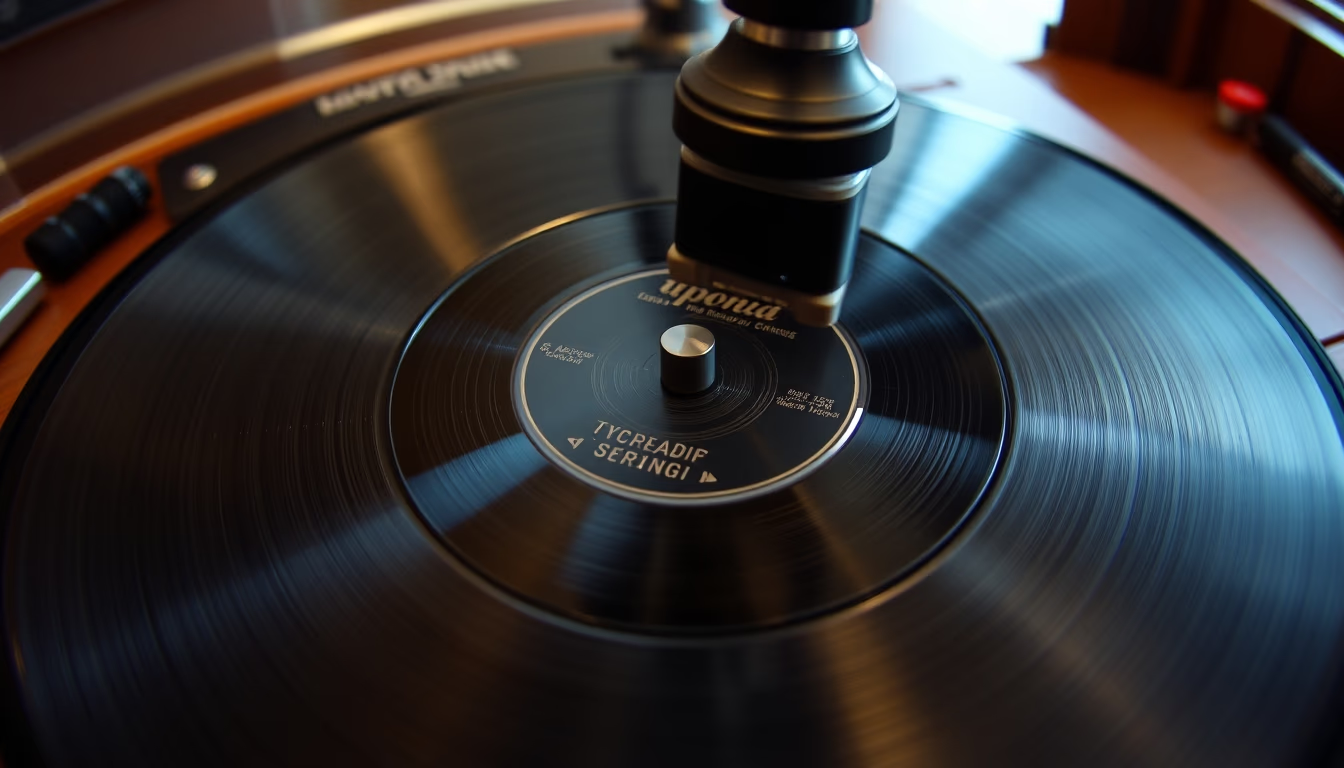
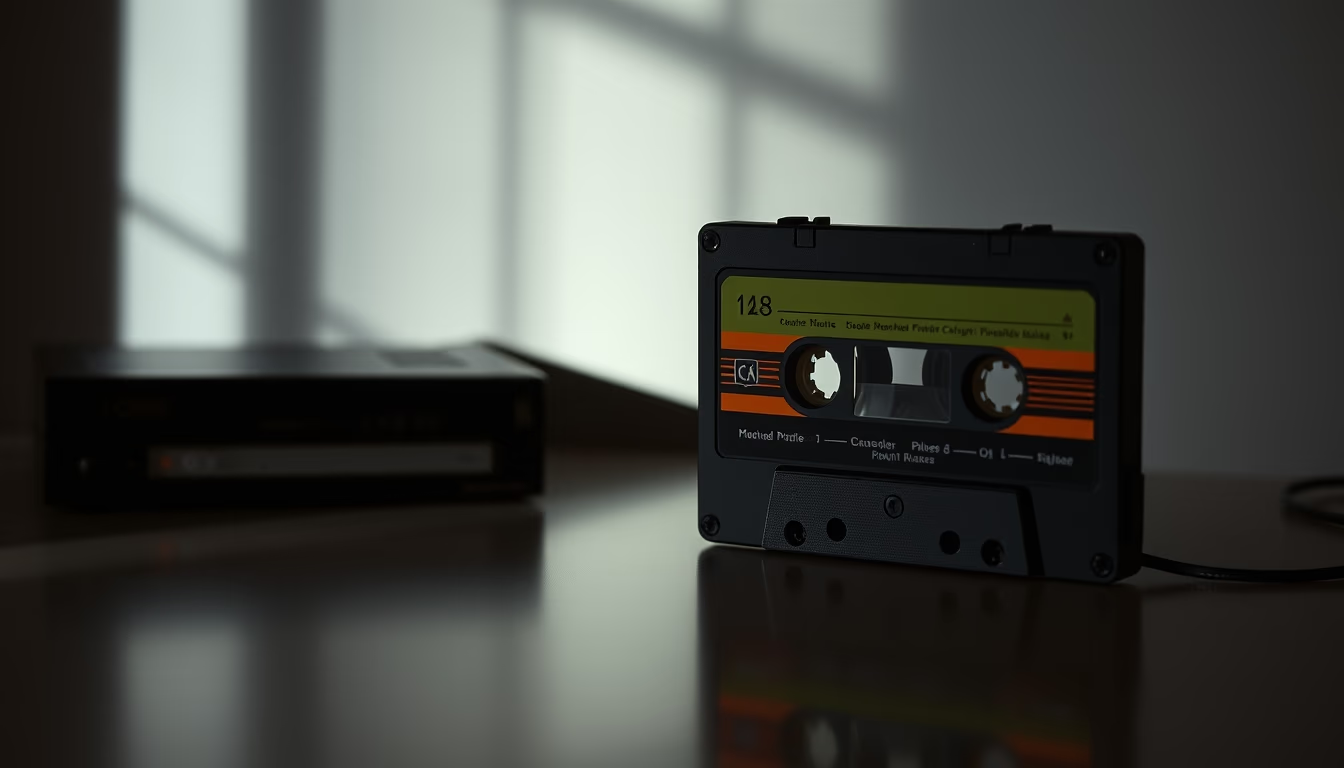
From the 1970s onward, jukeboxes declined with the rise of cassette tapes and CDs, which offered more capacity and convenience. However, 45 rpm records never fully disappeared. Today, they are prized by collectors and vinyl DJs for their analog sound quality and cover art. Festivals and specialty stores keep the nostalgia alive, and new releases on 45 rpm continue to appeal to audiophiles.
In Brazil, 45 rpm records also had a significant impact, especially during the Jovem Guarda and Tropicália movements. Artists like Roberto Carlos and Caetano Veloso released their biggest hits in this format. Jukeboxes were common in Brazilian bars and clubs, though the local record industry followed American standards. Original Brazilian 45 rpm singles are now highly sought-after collectibles, and vinyl reissues continue to attract new fans.
Frequently Asked Questions
What is the difference between a 33 rpm and a 45 rpm record?
A 33 rpm record (LP) is 12 inches in diameter, plays at 33 1/3 revolutions per minute, and holds up to 30 minutes per side. A 45 rpm record is 7 inches, plays at 45 rpm, and holds about 4 minutes per side, used for singles.
Why do 45 rpm records have a large center hole?
The 1.5-inch center hole was standardized to fit the spindle of jukeboxes, allowing records to be stacked and changed automatically without manual handling.
Are jukeboxes still used today?
Yes, though rare, restored classic jukeboxes or modern digital models are still found in themed bars, private collections, and retro events, keeping the 45 rpm tradition alive.
Direct URL
https://pub-c7d6a6ea828543ac903a74a341ccb2e1.r2.dev/imagens/45-rpm-jukebox-singles-high-fashion-editorial-fresh10.avifHow to credit
Include a visible link back to UtilizAí. Copy one of the snippets below:
<a href="https://xn--utiliza-eza.com/en/midia/imagens/45-rpm-jukebox-singles-high-fashion-editorial-fresh10">45 rpm jukebox singles</a> by <a href="https://xn--utiliza-eza.com">UtilizAí</a>, licensed under <a href="https://creativecommons.org/licenses/by/4.0/">CC BY 4.0</a>.
[45 rpm jukebox singles](https://xn--utiliza-eza.com/en/midia/imagens/45-rpm-jukebox-singles-high-fashion-editorial-fresh10) by [UtilizAí](https://xn--utiliza-eza.com), CC BY 4.0
License: CC-BY-4.0