45 rpm jukebox singles
1344×768 · AVIF · CC BY 4.0
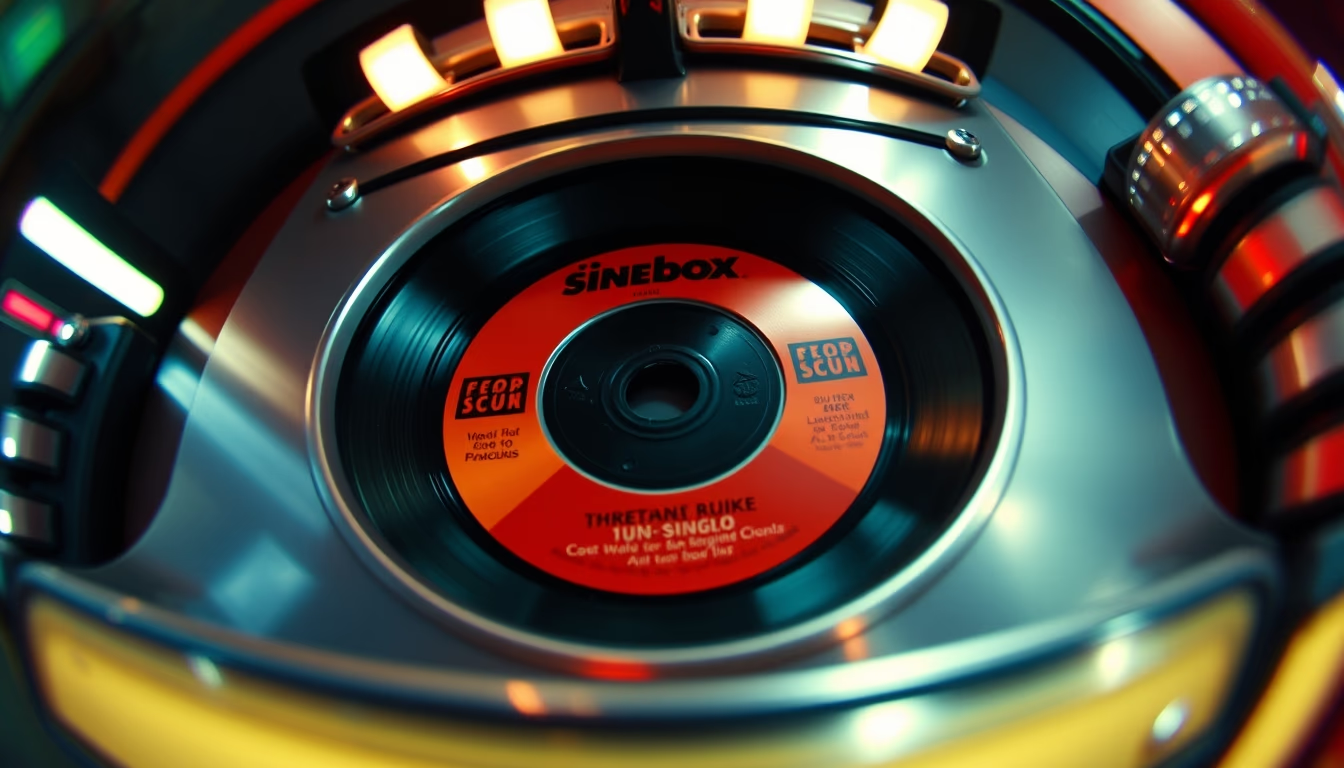
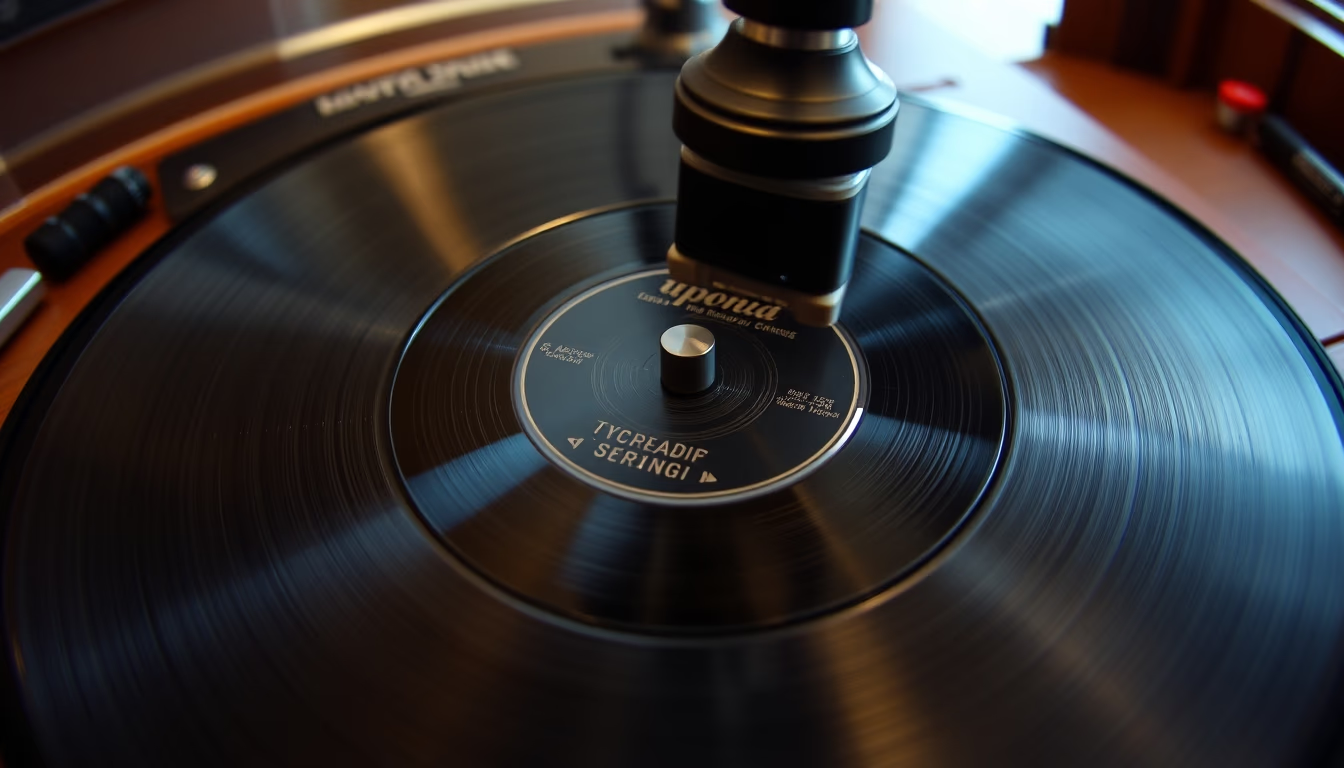
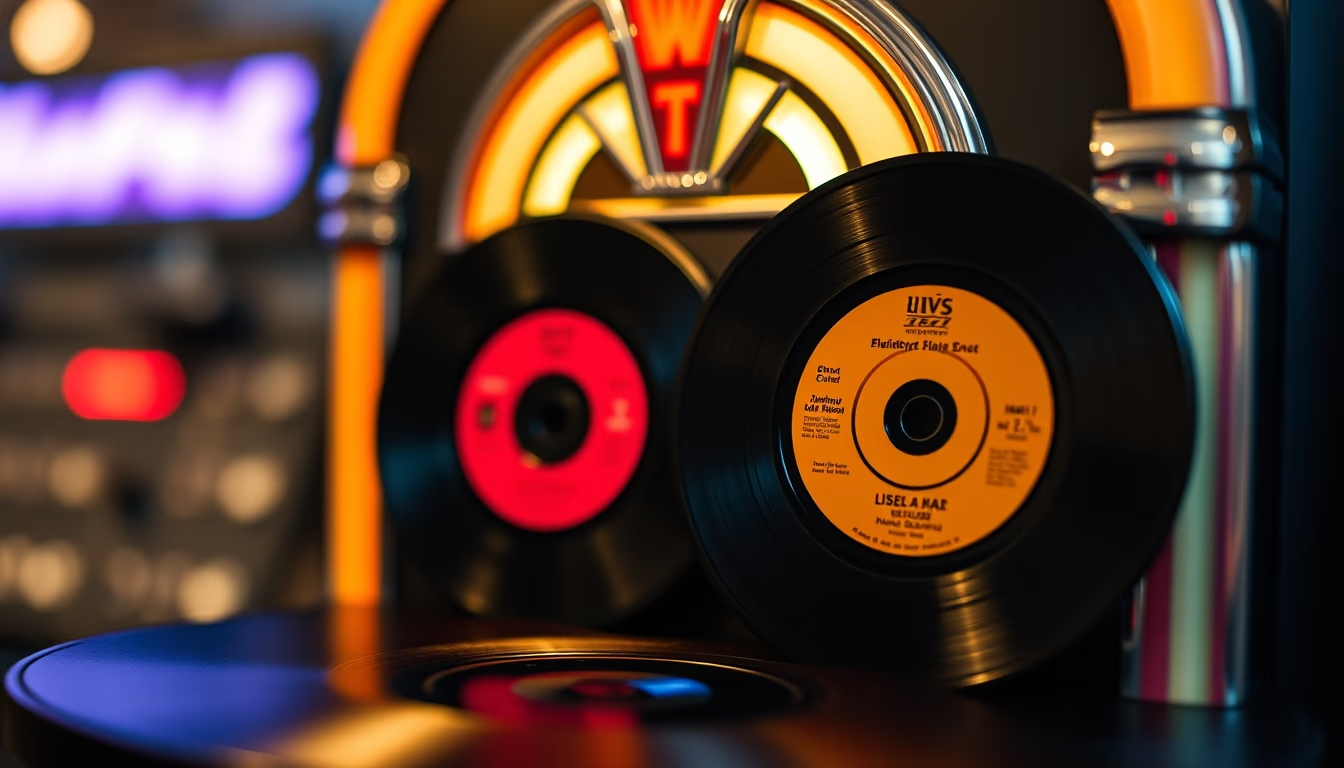
45 rpm singles revolutionized the record industry and were the heart of jukeboxes, machines that enlivened bars and diners for decades.
About this subject
The 45 rpm record was introduced by RCA Victor in 1949 as a more compact and durable alternative to the fragile shellac 78 rpm discs. With a diameter of 7 inches (17.5 cm) and a large 1.5-inch (3.8 cm) center hole, the format was specifically designed to feed jukeboxes, which became ubiquitous in the United States and worldwide during the 1950s and 1960s. Each single typically contained two tracks: the A-side with the main hit, and the B-side, often a lesser-known song.
Classic jukeboxes, such as those made by Wurlitzer, Seeburg, and Rock-Ola, utilized rapid-change mechanisms that selected the desired disc from dozens of options. The 45 rpm format adapted perfectly to these systems, as its small size allowed for efficient stacking and reliable playback. During its heyday, jukeboxes were essential for disseminating new releases, and record labels vied for placement in machines, often paying fees to secure inclusion.
Culturally, the 45 rpm single and the jukebox are intrinsically linked to the rise of rock and roll, rhythm and blues, and pop music. Elvis Presley, Chuck Berry, Little Richard, and the Beatles had their first hits released in this format. In Brazil, jukeboxes also made their mark in bars, ice cream parlors, and clubs, playing samba, bossa nova, Jovem Guarda, and other genres. Artists like Roberto Carlos, Elis Regina, and Tim Maia had their successes on 45 rpm records that soundtracked the youth of the time.
Today, 45 rpm singles are highly valued collectibles, especially those with rare picture sleeves, colored vinyl, or from legendary artists. Vintage jukeboxes are passionately restored by enthusiasts, keeping alive the nostalgia of an era when music was a communal and tactile experience. Despite the decline with the advent of CDs and streaming, the legacy of the 45 rpm remains a milestone in recording history.
Frequently Asked Questions
Why does the 45 rpm record have a large center hole?
The large hole, 1.5 inches (3.8 cm) in diameter, was designed for easy automatic loading and unloading in jukeboxes. It allowed the machines to change records quickly without manual handling.
What is the difference between 33 rpm and 45 rpm?
The 33 rpm format (long play) was introduced by Columbia in 1948, with a 12-inch diameter, used mainly for full albums. The 45 rpm, with 7 inches, was focused on singles, holding one or two songs per side, and spun faster, offering better sound quality and shorter playing time.
Are jukeboxes still used today?
Yes, vintage jukeboxes are still restored and used in themed establishments, private collections, and nostalgic events. There are also modern digital versions that play music via streaming, but classic ones with 45 rpm records are treasured by collectors.
Direct URL
https://pub-c7d6a6ea828543ac903a74a341ccb2e1.r2.dev/imagens/45-rpm-jukebox-singles-fish-eye-wide-angle-fresh17.avifHow to credit
Include a visible link back to UtilizAí. Copy one of the snippets below:
<a href="https://xn--utiliza-eza.com/en/midia/imagens/45-rpm-jukebox-singles-fish-eye-wide-angle-fresh17">45 rpm jukebox singles</a> by <a href="https://xn--utiliza-eza.com">UtilizAí</a>, licensed under <a href="https://creativecommons.org/licenses/by/4.0/">CC BY 4.0</a>.
[45 rpm jukebox singles](https://xn--utiliza-eza.com/en/midia/imagens/45-rpm-jukebox-singles-fish-eye-wide-angle-fresh17) by [UtilizAí](https://xn--utiliza-eza.com), CC BY 4.0
License: CC-BY-4.0