45 rpm jukebox singles
1344×768 · AVIF · CC BY 4.0
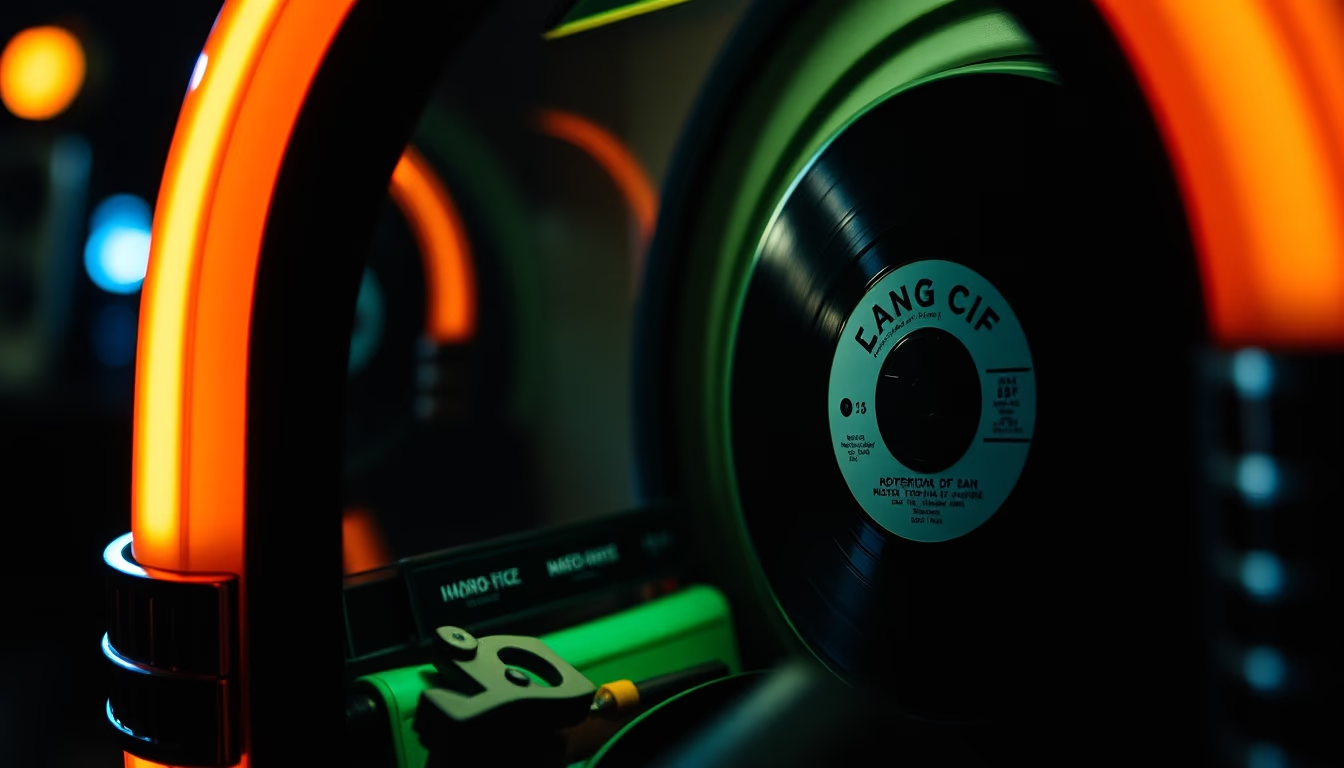
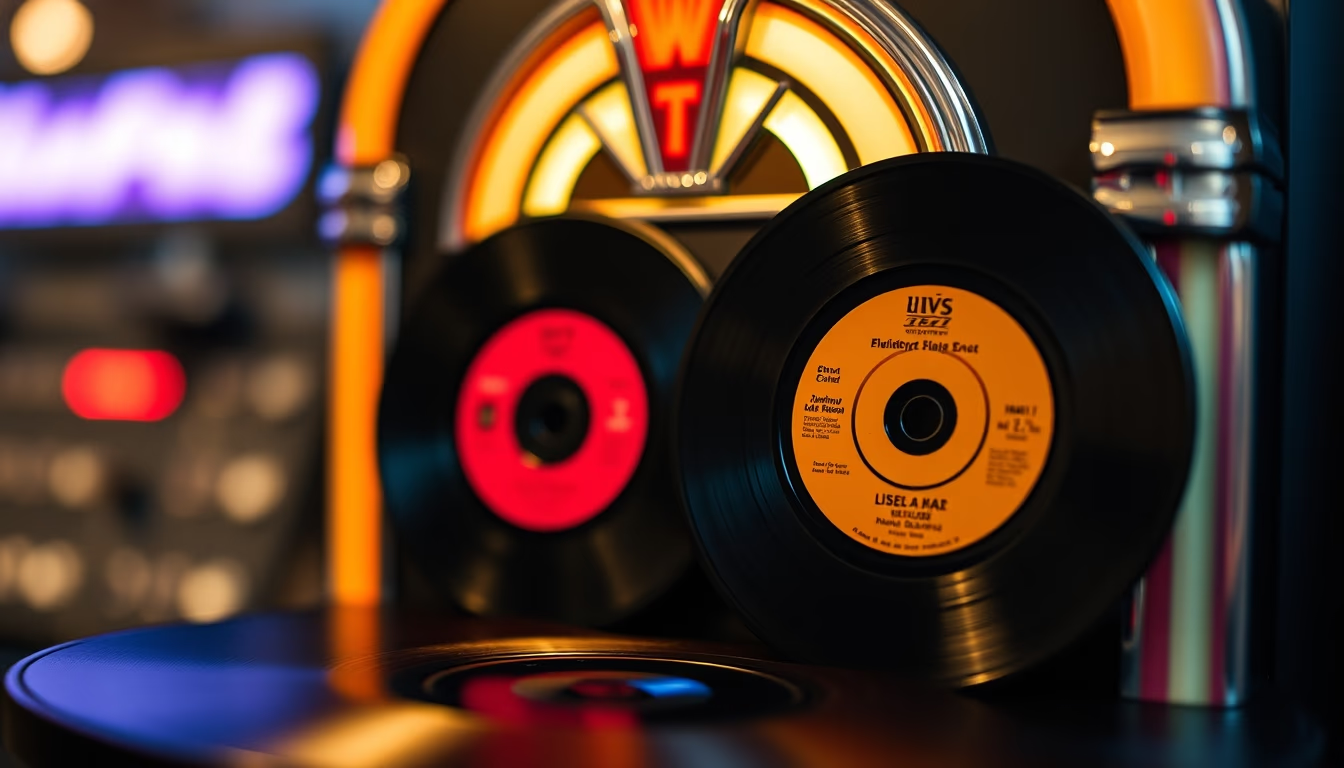
45 rpm vinyl records dominated jukeboxes from the 1950s to the 1980s, driving popular music culture with singles from iconic artists.
About this subject
The 45 rpm vinyl record was introduced by RCA Victor in 1949 as a competing format to the 33⅓ rpm LP. With a diameter of 7 inches (17.5 cm) and a larger center hole (1.5 inches), it was designed to hold a single track on each side, making it ideal for jukeboxes. The large spindle hole allowed automatic disc-changing mechanisms in these machines. In the United States, jukeboxes were ubiquitous in diners, bars, and record stores, turning the 45 rpm into the primary medium for hit singles. Artists like Elvis Presley, Chuck Berry, and The Beatles released numerous singles in this format, which dominated charts until the rise of CDs in the 1990s.
Culturally, the 45 rpm represented affordability: anyone could buy their favorite artist's single at a low price. Record sleeves often featured photographs or illustrations, making them collectible items. In Brazil, the format was widely used for samba, bossa nova, and MPB recordings, with limited pressings that are now rare collectibles. Jukeboxes in the country, especially in the 1960s and 1970s, featured discs by artists like Roberto Carlos, Caetano Veloso, and Gilberto Gil.
Technical curiosity: the 45 rpm speed was chosen to offer better audio quality than the older 78 rpm, with lower surface noise. The records were made of vinyl, a more durable and lighter material than the shellac used for 78s. Starting in the 2000s, the 45 rpm experienced a revival among collectors and vinyl enthusiasts, being reissued in special pressings for audiophiles and DJs.
Frequently Asked Questions
What is the difference between a 45 rpm record and an LP?
A 45 rpm record is 7 inches in diameter and plays at a faster speed, usually holding one track per side. An LP (33⅓ rpm) is 12 inches and can contain up to 20 minutes of music per side, used for full albums.
Why is the center hole of a 45 rpm larger than that of an LP?
The larger hole (1.5 inches) was standardized to allow jukeboxes to automatically change records. The wide spindle mechanism fit into the hole and rotated the disc without needing adapters.
Are 45 rpm records still produced today?
Yes, though in smaller quantities. Since the 2000s, there has been a vinyl revival, and many artists release singles on 45 rpm for collectors and DJs, especially in limited and colored editions.
Direct URL
https://pub-c7d6a6ea828543ac903a74a341ccb2e1.r2.dev/imagens/45-rpm-jukebox-singles-fine-art-photography-fresh6.avifHow to credit
Include a visible link back to UtilizAí. Copy one of the snippets below:
<a href="https://xn--utiliza-eza.com/en/midia/imagens/45-rpm-jukebox-singles-fine-art-photography-fresh6">45 rpm jukebox singles</a> by <a href="https://xn--utiliza-eza.com">UtilizAí</a>, licensed under <a href="https://creativecommons.org/licenses/by/4.0/">CC BY 4.0</a>.
[45 rpm jukebox singles](https://xn--utiliza-eza.com/en/midia/imagens/45-rpm-jukebox-singles-fine-art-photography-fresh6) by [UtilizAí](https://xn--utiliza-eza.com), CC BY 4.0
License: CC-BY-4.0