45 rpm jukebox singles
1344×768 · AVIF · CC BY 4.0

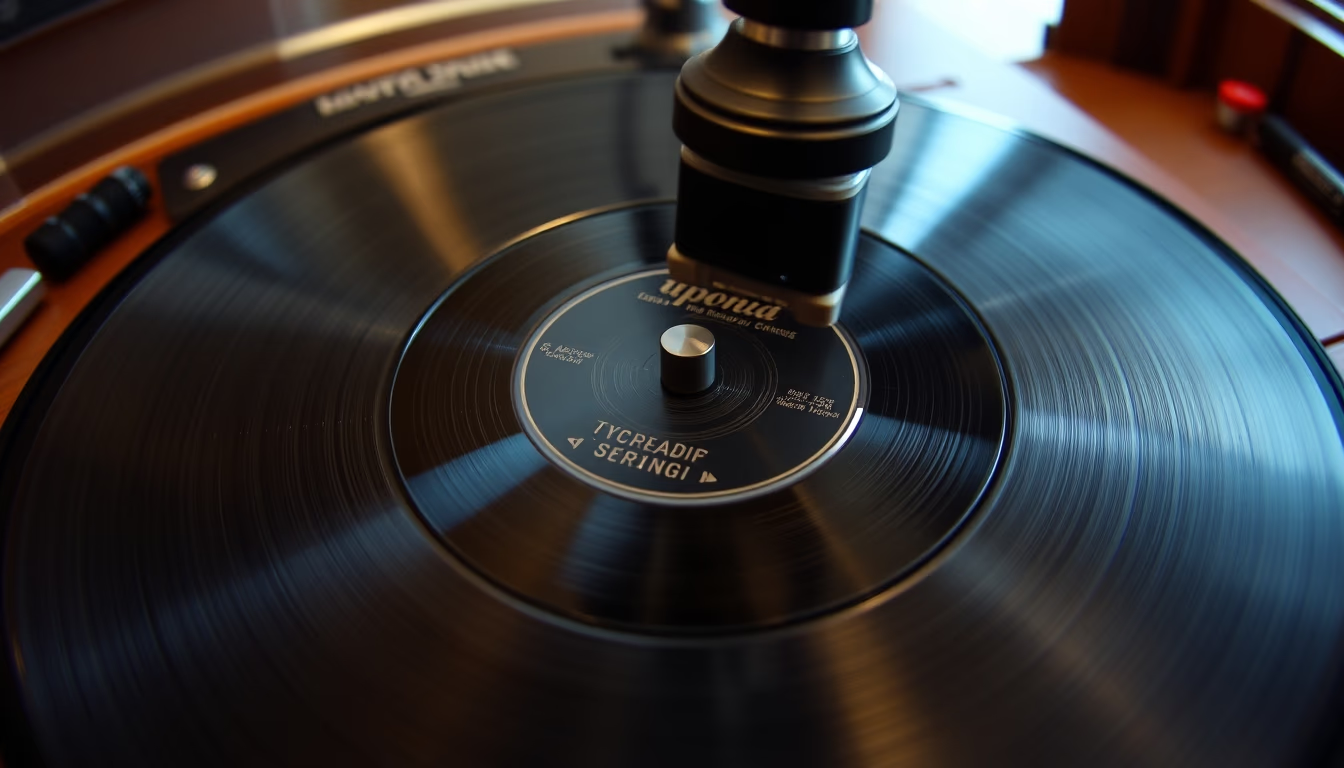
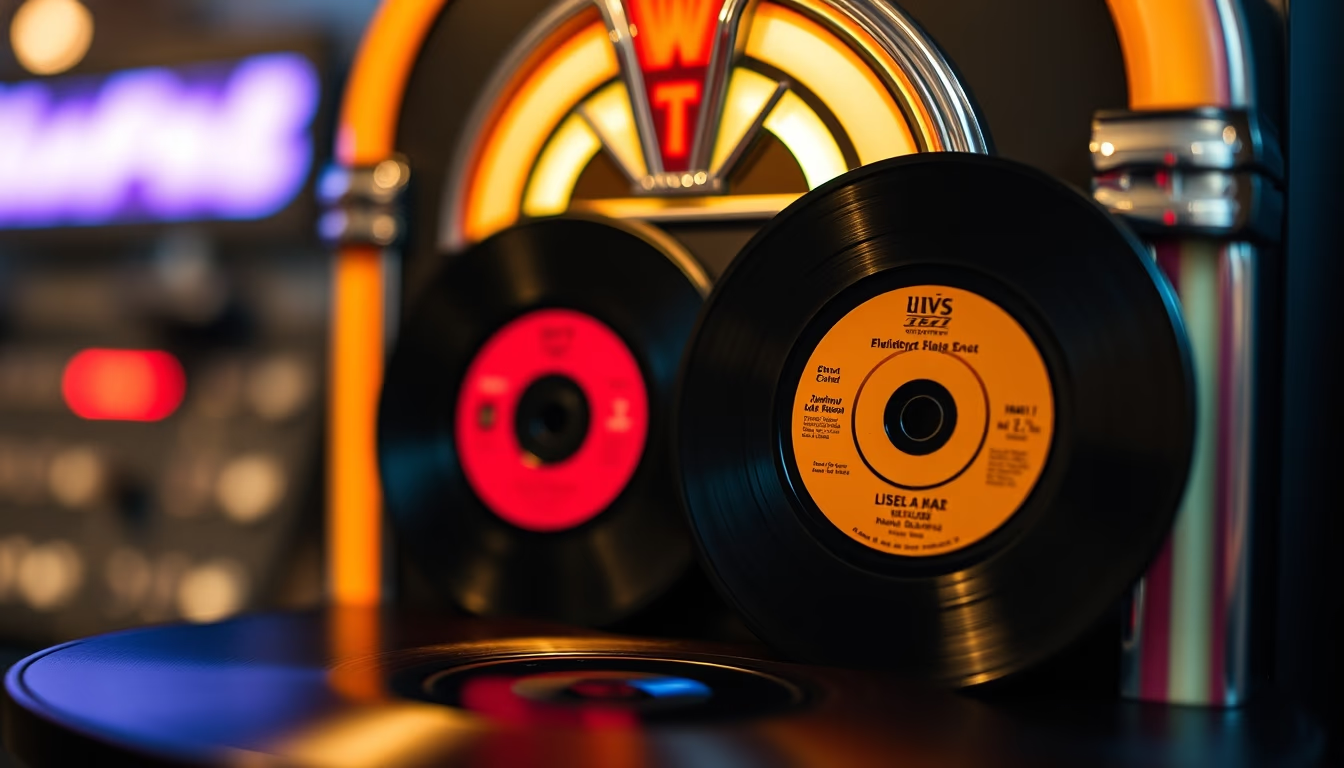
45 rpm vinyl records became the standard format for jukeboxes in the 1950s, revolutionizing the consumption of popular music.
About this subject
The 45 rpm format was introduced by RCA Victor in 1949 as a compact and durable alternative to the fragile 78 rpm records. With a diameter of 7 inches and a large center hole, these records were designed to play about three to four minutes per side, the ideal length for a popular song. They quickly became the preferred medium for singles, especially in jukeboxes, which required quick changes and resistance to constant handling.
Jukeboxes, which gained popularity in the United States during the 1940s and 1950s, were a major driver of the recording industry. Machines from manufacturers like Wurlitzer, Seeburg, and Rock-Ola used mechanisms that selected and played 45 rpm records stacked on trays or stored in rotating carousels. The large center hole allowed the records to fit onto a tapered mandrel, ensuring precise centering and automatic change. At their peak, there were over 750,000 jukeboxes in the U.S., each consuming dozens of singles weekly.
For record labels, 45 rpm singles in jukeboxes represented a vital revenue stream. Songs that didn't sell well in stores could become hits through jukebox play, generating royalties and boosting artists' careers. This system created a 'hit single' culture, where jukebox exposure often determined chart success. Additionally, the vinyl durability and 45 rpm speed offered better sound fidelity than 78 rpm, appealing to the young crowds that filled diners and bars.
Today, 45 rpm jukebox singles are collector's items, especially those with original sleeves or by famous artists. The vinyl resurgence in recent decades has revived interest in these objects, which carry the nostalgia of an era when choosing a song on a jukebox was a social ritual. While modern jukeboxes use digital technology, 45 rpm singles remain an iconic symbol of 20th-century pop culture.
Frequently Asked Questions
Why do 45 rpm records have a large center hole?
The large hole (1.5 inches in diameter) was designed to fit onto the tapered mandrel of automatic record changers in jukeboxes, allowing quick changes and precise centering without an adapter.
What is the difference between a 45 rpm single and a 33 rpm LP?
A 45 rpm single is 7 inches in diameter, plays at a higher speed (45 rpm), and typically contains one track per side (3-4 minutes). An LP (Long Play) is 12 inches, plays at 33 rpm, and holds about 20-25 minutes per side.
Are 45 rpm records still manufactured today?
Yes, many record labels still produce 45 rpm singles for collectors and vinyl enthusiasts, often in limited editions. However, they are no longer the dominant format for new releases.
Direct URL
https://pub-c7d6a6ea828543ac903a74a341ccb2e1.r2.dev/imagens/45-rpm-jukebox-singles-architectural-photography-fresh11.avifHow to credit
Include a visible link back to UtilizAí. Copy one of the snippets below:
<a href="https://xn--utiliza-eza.com/en/midia/imagens/45-rpm-jukebox-singles-architectural-photography-fresh11">45 rpm jukebox singles</a> by <a href="https://xn--utiliza-eza.com">UtilizAí</a>, licensed under <a href="https://creativecommons.org/licenses/by/4.0/">CC BY 4.0</a>.
[45 rpm jukebox singles](https://xn--utiliza-eza.com/en/midia/imagens/45-rpm-jukebox-singles-architectural-photography-fresh11) by [UtilizAí](https://xn--utiliza-eza.com), CC BY 4.0
License: CC-BY-4.0