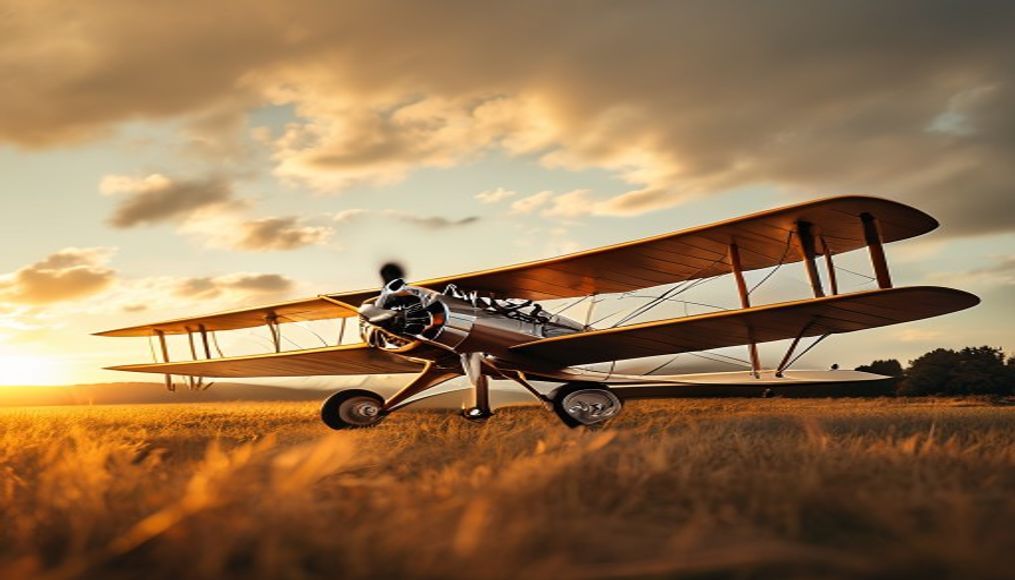
Spirit st louis lindbergh
1344×768 · AVIF · CC BY 4.0
Discover the Spirit of St. Louis, the single-engine monoplane flown by Charles Lindbergh in 1927 on the first solo nonstop transatlantic flight from New York to Paris.
About this subject
The Spirit of St. Louis (designation Ryan NYP) was a single-engine monoplane built specifically for the daring challenge of crossing the Atlantic nonstop. Designed by Ryan Airlines in San Diego, California, the aircraft was extremely lightweight and carried extra fuel in tanks placed ahead of the cockpit, forcing the pilot to use a periscope to see forward during critical takeoff and landing phases. The Wright J-5 Whirlwind engine, delivering 223 horsepower, ensured efficiency and reliability, essential for the journey.
On May 20, 1927, Charles Lindbergh departed from Roosevelt Field in Long Island, New York, bound for Paris. The flight lasted 33 hours and 30 minutes, covering approximately 5,800 kilometers over the Atlantic Ocean. Lindbergh faced fog, ice on the wings, and extreme fatigue from staying awake for over 33 hours, navigating with maps and a compass. He landed at Le Bourget Airport in Paris on the night of May 21, greeted by an estimated crowd of 150,000 people.
After the historic flight, the Spirit of St. Louis toured the United States and was later donated to the Smithsonian Institution. It is now on permanent display at the National Air and Space Museum in Washington, D.C., as one of the most important aviation icons. Lindbergh's achievement not only demonstrated the potential for commercial transatlantic aviation but also inspired a generation of pilots and engineers, accelerating the development of long-range aircraft.
From a technical perspective, the Spirit of St. Louis was a radical aircraft for its time: a high-wing design with a steel-tube frame covered in fabric, prioritizing fuel capacity over pilot comfort. Lindbergh had no radio, sophisticated navigation instruments, or parachute, making the crossing even more perilous. The name "Spirit of St. Louis" honored the investors from St. Louis, Missouri, who funded its construction.
Frequently Asked Questions
Why did the Spirit of St. Louis have fuel tanks in front of the cockpit?
The main fuel tank was placed ahead of the cockpit to improve longitudinal stability and maximize fuel capacity. This made the cockpit very cramped and eliminated forward visibility, requiring a periscope for takeoff and landing.
How long did Lindbergh's solo flight from New York to Paris take?
The flight took 33 hours and 30 minutes, departing on May 20, 1927, and arriving on May 21. It covered approximately 5,800 kilometers.
Where is the Spirit of St. Louis currently displayed?
It is on permanent display at the Smithsonian Institution's National Air and Space Museum in Washington, D.C., United States.
Direct URL
https://pub-c7d6a6ea828543ac903a74a341ccb2e1.r2.dev/imagens/spirit-st-louis-lindbergh-architectural-photography-p1.avifHow to credit
Include a visible link back to UtilizAí. Copy one of the snippets below:
<a href="https://xn--utiliza-eza.com/en/midia/imagens/spirit-st-louis-lindbergh-architectural-photography-p1">Spirit st louis lindbergh</a> by <a href="https://xn--utiliza-eza.com">UtilizAí</a>, licensed under <a href="https://creativecommons.org/licenses/by/4.0/">CC BY 4.0</a>.
[Spirit st louis lindbergh](https://xn--utiliza-eza.com/en/midia/imagens/spirit-st-louis-lindbergh-architectural-photography-p1) by [UtilizAí](https://xn--utiliza-eza.com), CC BY 4.0
License: CC-BY-4.0