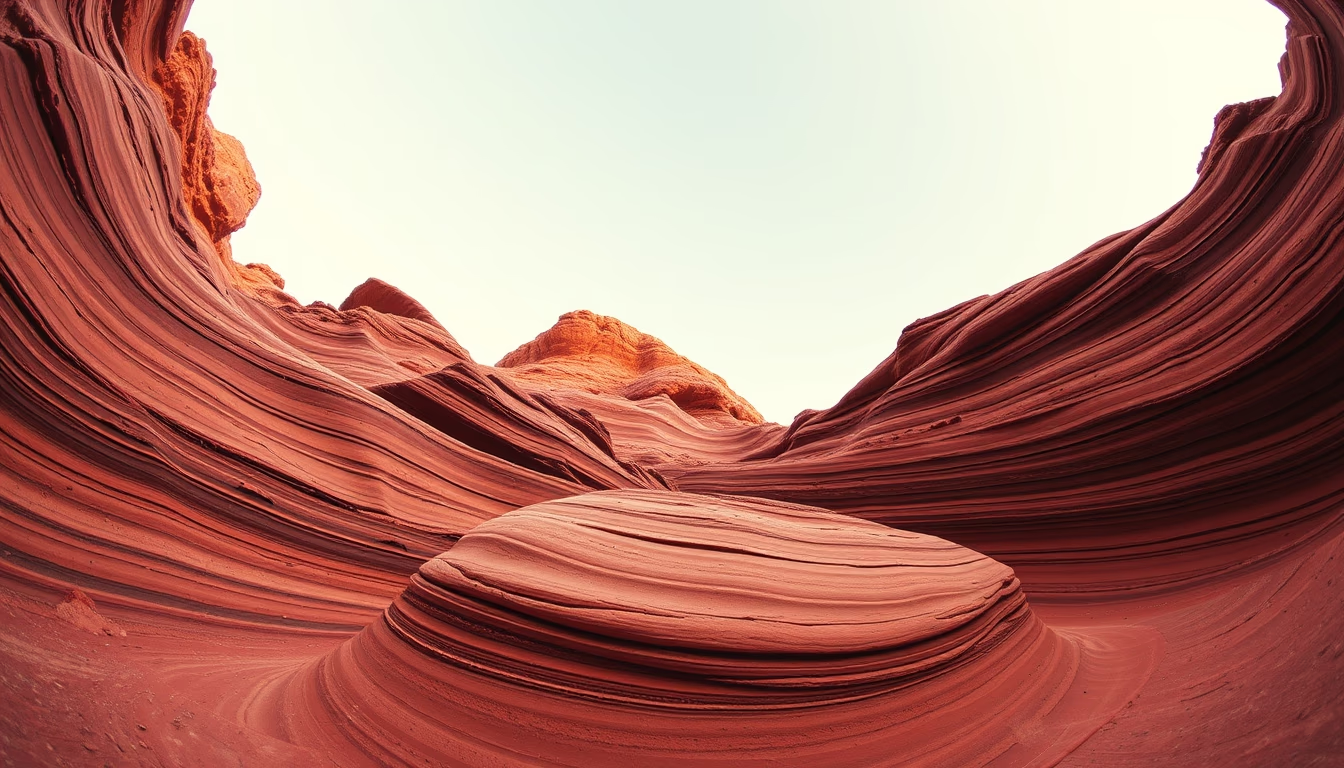
Sandstone red layered
1344×768 · AVIF · CC BY 4.0

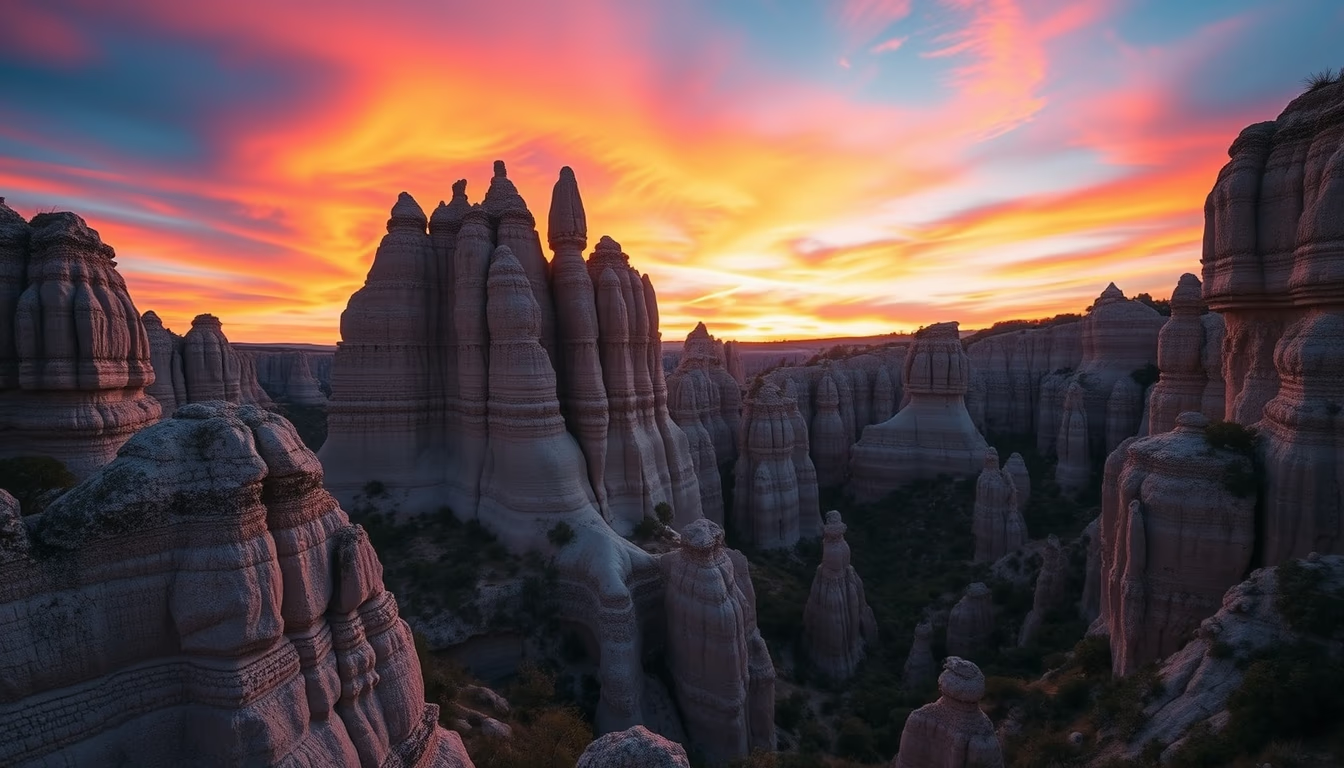
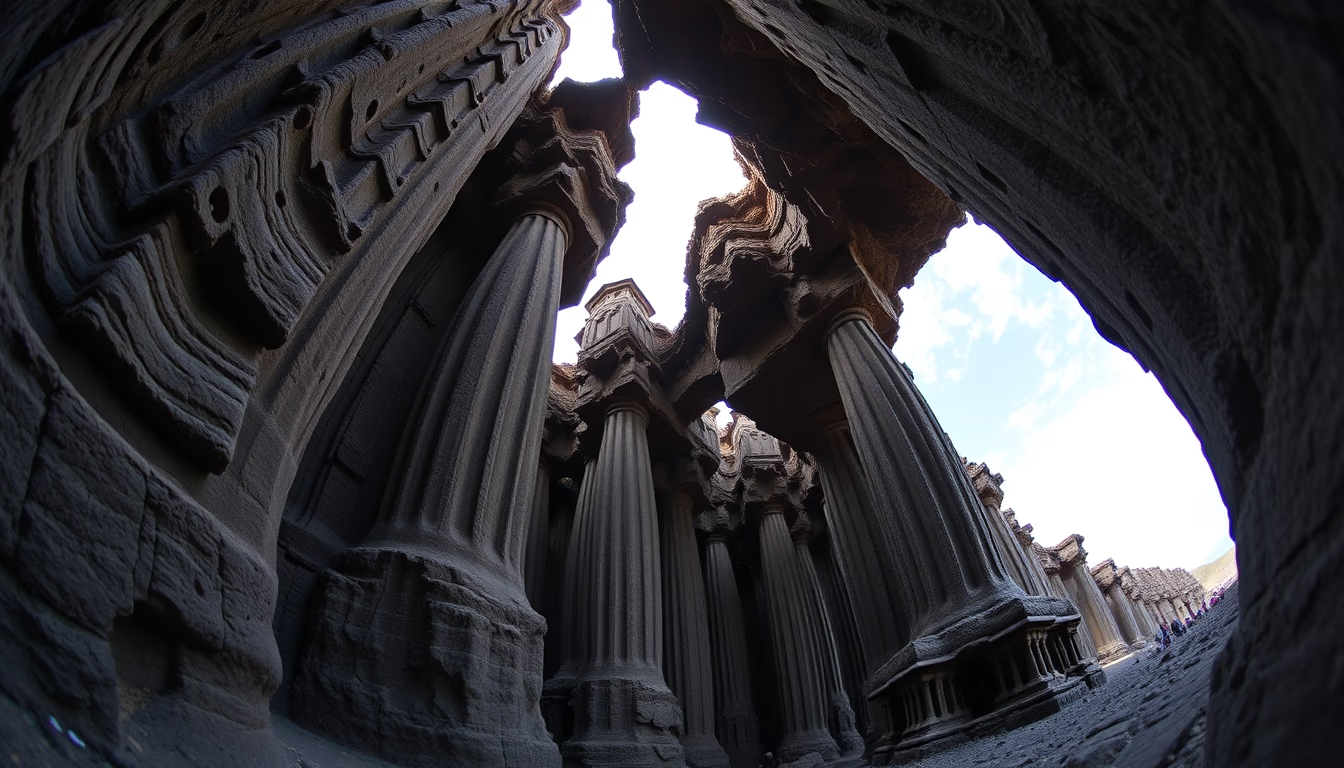
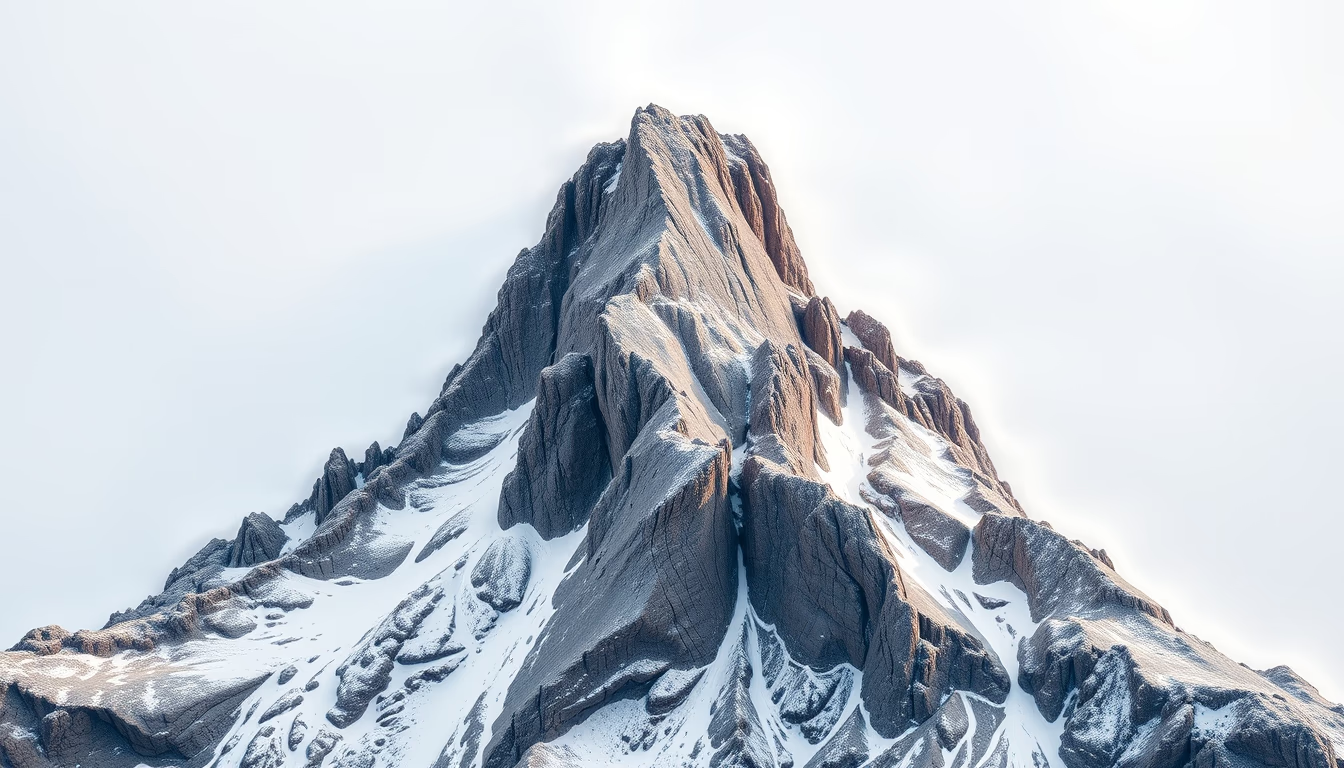
Layers of red sandstone reveal millions of years of sedimentary deposition, shaping iconic landscapes in deserts and canyons worldwide.
About this subject
Red sandstone is a clastic sedimentary rock composed mainly of quartz grains cemented by iron oxide, which gives it its characteristic reddish color. Its formation takes place over geological eras, when iron-rich sand is deposited in environments such as deserts, riverbeds and tidal flats, and then compacted and cemented. The visible horizontal layers represent different deposition periods, with thickness and grain size varying according to the environmental conditions at the time.
In Brazil, red sandstone formations are found in places like Serra do Cipó (MG) and the Lençóis Maranhenses National Park (MA), although the latter features predominantly white quartz sand. Globally, iconic examples include Monument Valley (USA), Canyonlands National Park (USA), and the mountains of Wadi Rum (Jordan). Differential erosion creates wavy patterns and sculpted cliffs, often enhanced by tilt-shift effects that bring the geological grandeur down to human scale.
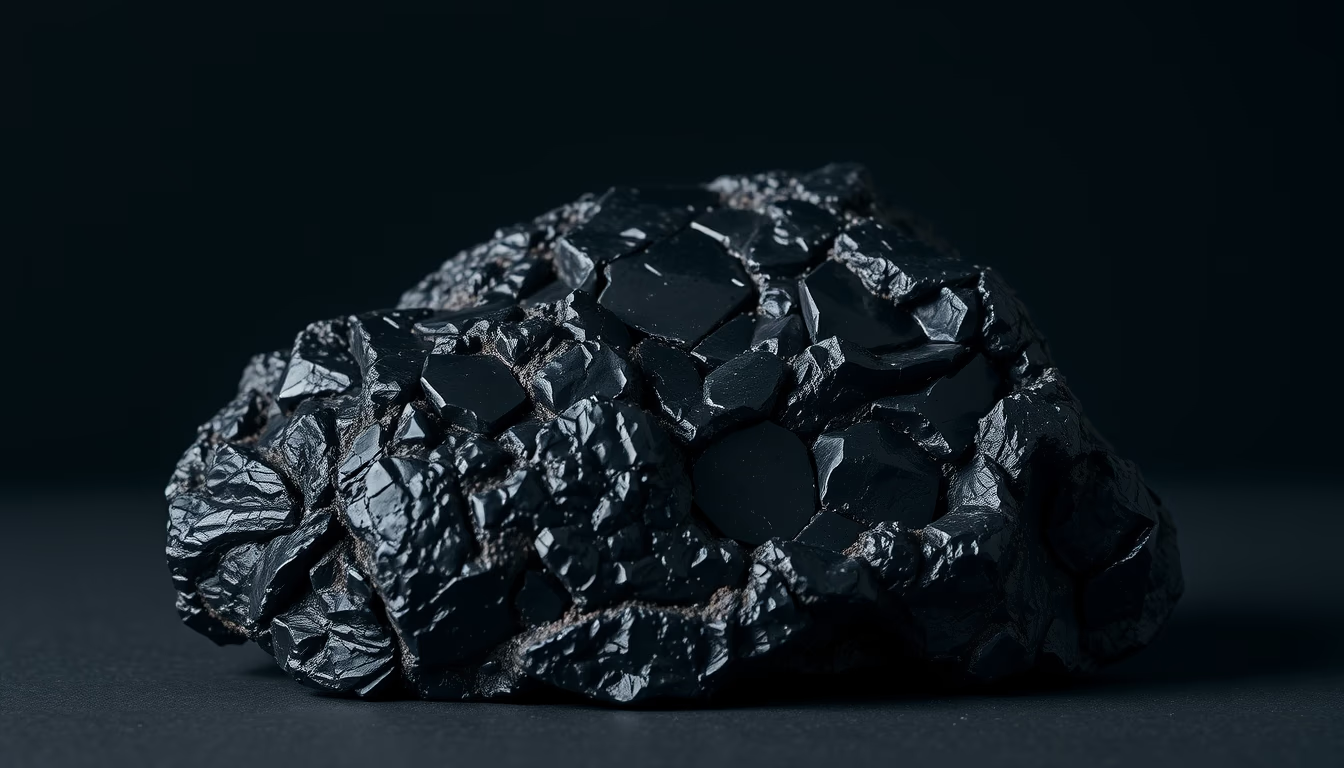
The intense red color is due to the presence of hematite (Fe₂O₃), an iron oxide formed under oxidizing conditions. Sometimes variations in iron concentration or the presence of other minerals like limonite can produce orange to brown hues. The porous texture of sandstone allows water infiltration, making it an important aquifer in arid and semiarid regions.
Frequently Asked Questions
What causes the red color of sandstone?
The red color is caused by the presence of iron oxide, mainly hematite (Fe₂O₃), which forms when sand grains are cemented in oxidizing environments.
Where can red sandstone formations be found in Brazil?
In Brazil, notable formations include Serra do Cipó in Minas Gerais and Lençóis Maranhenses National Park in Maranhão, although the latter features mostly white sand.
How do sandstone layers form?
Layers form by gradual deposition of sand in environments like deserts or riverbeds, followed by compaction and cementation over millions of years.
Direct URL
https://pub-c7d6a6ea828543ac903a74a341ccb2e1.r2.dev/imagens/sandstone-red-layered-tilt-shift-miniature-fresh18.avifHow to credit
Include a visible link back to UtilizAí. Copy one of the snippets below:
<a href="https://xn--utiliza-eza.com/en/midia/imagens/sandstone-red-layered-tilt-shift-miniature-fresh18">Sandstone red layered</a> by <a href="https://xn--utiliza-eza.com">UtilizAí</a>, licensed under <a href="https://creativecommons.org/licenses/by/4.0/">CC BY 4.0</a>.
[Sandstone red layered](https://xn--utiliza-eza.com/en/midia/imagens/sandstone-red-layered-tilt-shift-miniature-fresh18) by [UtilizAí](https://xn--utiliza-eza.com), CC BY 4.0
License: CC-BY-4.0