Risograph print texture
1344×768 · AVIF · CC BY 4.0
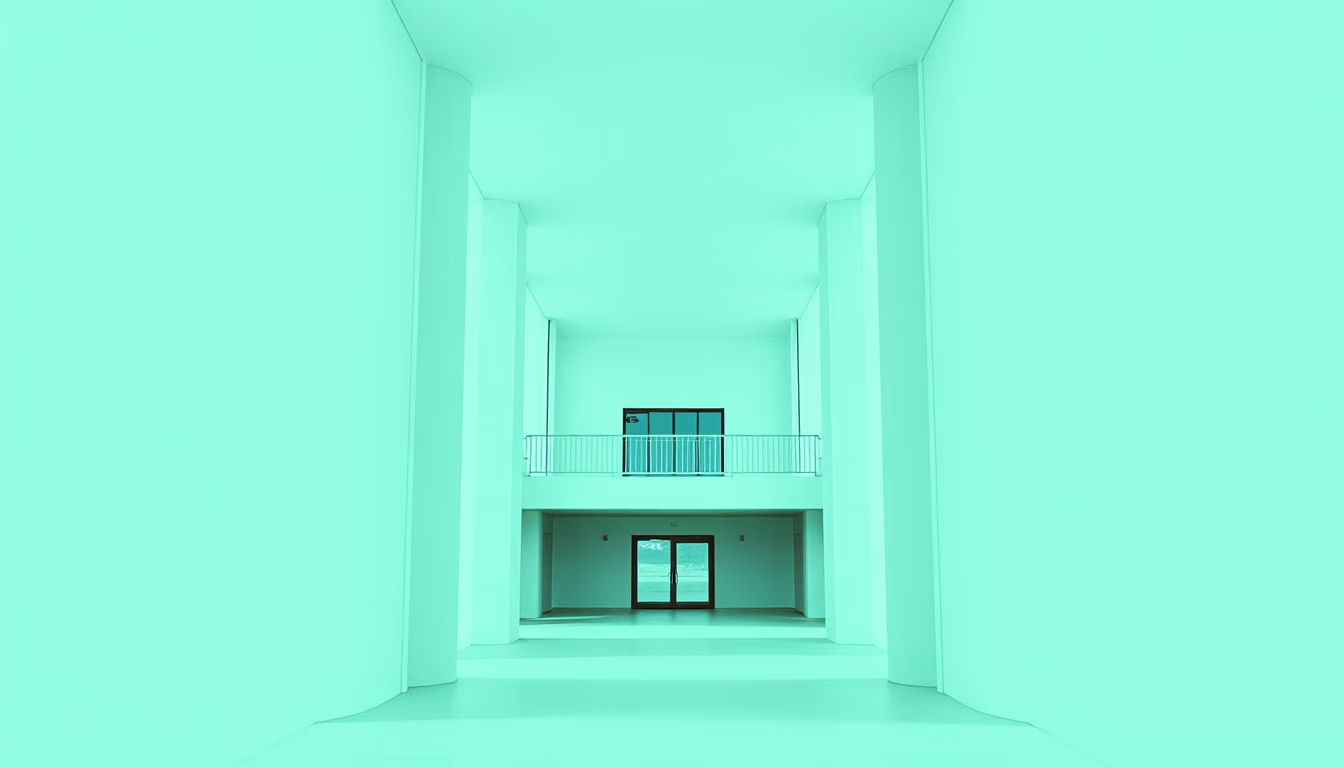
Risograph is a stencil printing method that creates unique, vibrant textures, widely used in art and graphic design.
About this subject
Risograph, developed by the Japanese company Riso Kagaku Corporation in 1980, combines the speed of a copier with the aesthetics of screen printing. It uses rice paper masters and soy-based inks, resulting in flat colors with a characteristic grainy texture. This technique allows imprecise color overlaps (known as misregistration), which have become a hallmark of the risograph style.
In contemporary graphic design, risograph is valued for its sustainability and low cost in small print runs. Independent artists and publishers use it to create zines, posters, and art books. The resulting texture evokes a DIY and punk aesthetic, but is also explored in sophisticated architectural and photography projects, where imperfections bring a tactile and organic feel.
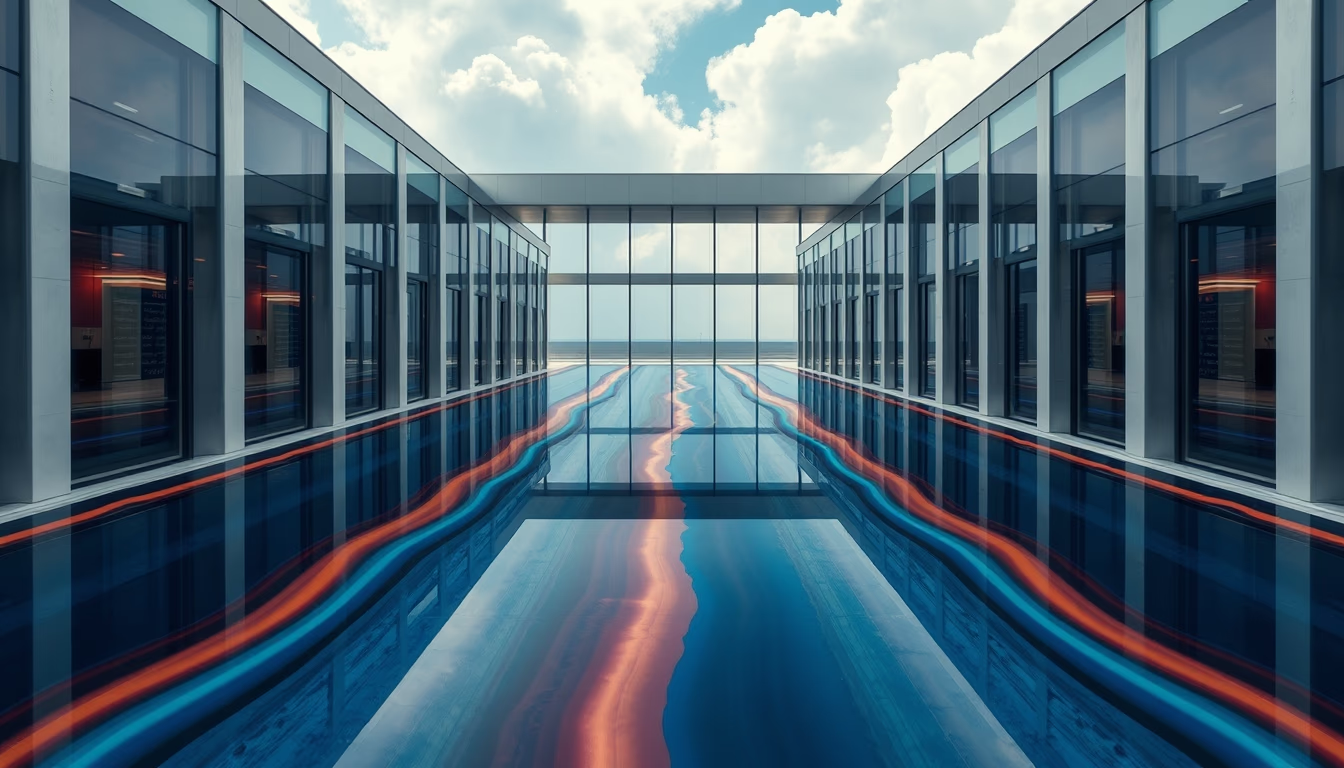
In architectural photography, the risograph effect is often digitally simulated to give images a nostalgic or experimental character. The combination of limited colors and grain evokes memories of old prints, contrasting with the precision of modern architecture. This trend, pointed out as one of the 'trending-2026' in design, reflects a move toward the imperfect and the handmade.
Furthermore, risograph has influenced the aesthetics of video games and animations, with its low-fidelity look being reinterpreted in digital media. The risograph texture is not just a printing technique but a visual language that communicates authenticity and experimentation.
Frequently Asked Questions
What exactly is the Risograph texture?
It's the grainy and slightly irregular texture resulting from the stencil printing process using paper masters and soy-based inks. Colors may be slightly misaligned (misregistration), creating a handmade effect.
Why is Risograph popular among artists and designers?
Because it's cost-effective for small print runs, sustainable (soy-based inks), and produces a unique aesthetic reminiscent of DIY and screen printing. It allows experimentation with colors and textures.
How does Risograph relate to architectural photography?
In architectural photography, the risograph effect is digitally simulated to give a nostalgic and tactile look, contrasting with architectural precision. It's a trend that values imperfection.
Direct URL
https://pub-c7d6a6ea828543ac903a74a341ccb2e1.r2.dev/imagens/risograph-print-texture-architectural-photography-p4.avifHow to credit
Include a visible link back to UtilizAí. Copy one of the snippets below:
<a href="https://xn--utiliza-eza.com/en/midia/imagens/risograph-print-texture-architectural-photography-p4">Risograph print texture</a> by <a href="https://xn--utiliza-eza.com">UtilizAí</a>, licensed under <a href="https://creativecommons.org/licenses/by/4.0/">CC BY 4.0</a>.
[Risograph print texture](https://xn--utiliza-eza.com/en/midia/imagens/risograph-print-texture-architectural-photography-p4) by [UtilizAí](https://xn--utiliza-eza.com), CC BY 4.0
License: CC-BY-4.0