Quantum computer chip detail
1344×768 · AVIF · CC BY 4.0
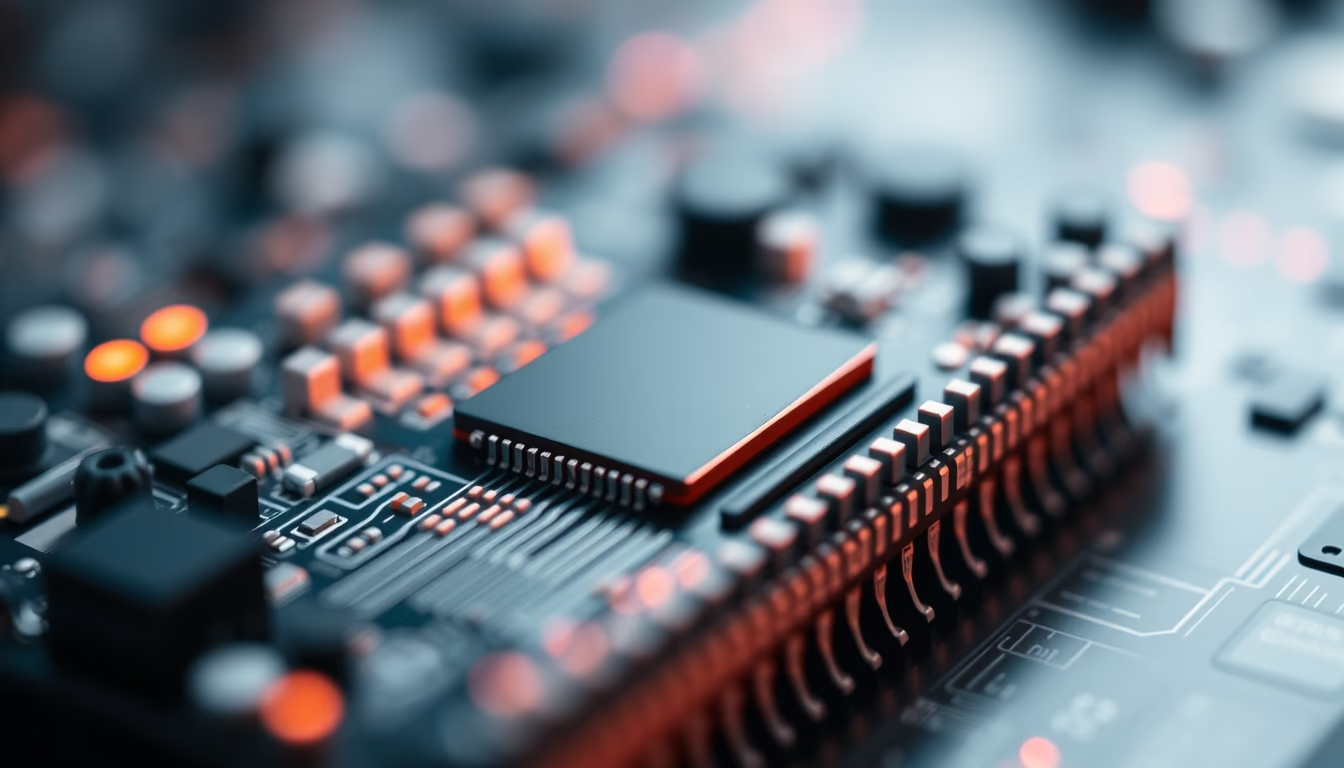
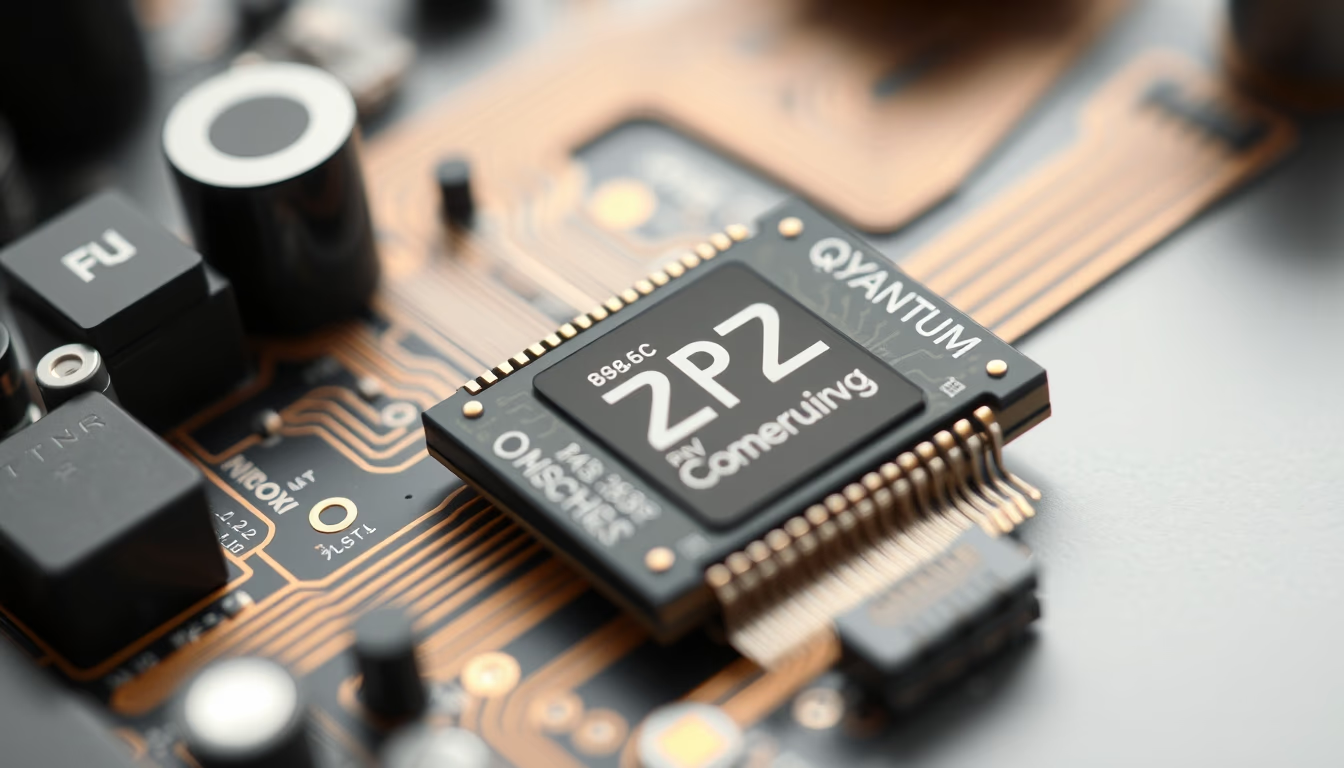
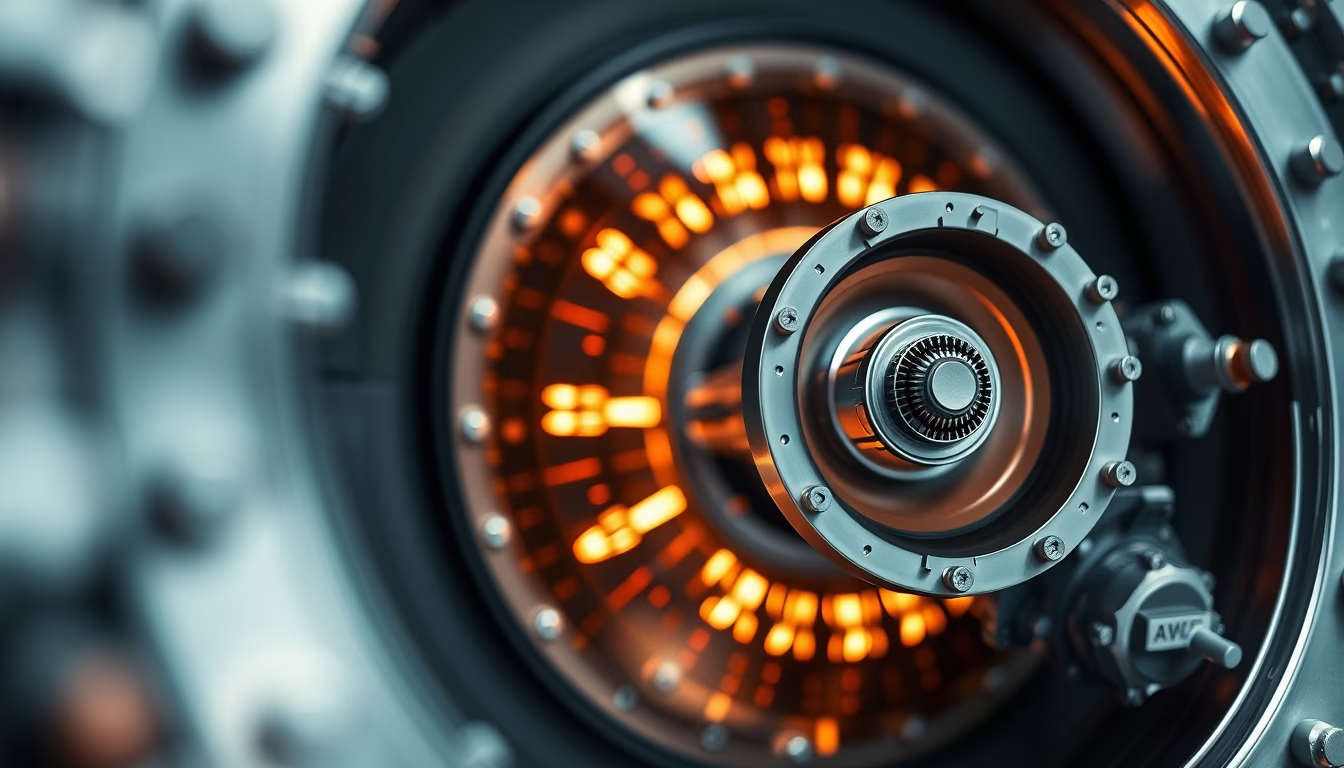
Detalhe de um chip de computador quântico, mostrando os qubits supercondutores e a complexa arquitetura de controle criogênico.
Sobre o tema
Os chips de computadores quânticos representam um salto tecnológico em relação aos chips clássicos de silício. Diferentemente dos bits tradicionais, que armazenam informação como 0 ou 1, os qubits (bits quânticos) podem existir em superposição de estados, permitindo cálculos paralelos exponenciais. A imagem destaca a região central de um chip supercondutor, onde os qubits são fabricados a partir de materiais como nióbio ou alumínio, depositados sobre um substrato de silício. Esses qubits operam a temperaturas próximas do zero absoluto (cerca de 15 milikelvin), exigindo sistemas de resfriamento criogênico complexos, como os diluidores de refrigeração. A arquitetura inclui ressonadores de micro-ondas para leitura e controle, além de linhas de transmissão que conectam os qubits ao hardware de controle externo. Atualmente, empresas como Google, IBM e startups como a Rigetti já demonstraram processadores com dezenas a centenas de qubits, mas desafios como a correção de erros e a decoerência ainda limitam aplicações práticas em larga escala. O chip mostrado provavelmente integra uma estrutura de múltiplas camadas, onde os sinais de micro-ondas são roteados por guias de onda coplanares. Um dos maiores avanços recentes é a criação de qubits lógicos, que combinam vários qubits físicos para reduzir erros, pavimentando o caminho para a supremacia quântica em problemas de otimização, simulação de materiais e criptografia.
Perguntas frequentes
O que é um qubit supercondutor?
É um dispositivo eletrônico que opera em temperaturas criogênicas e se comporta como um bit quântico, capaz de estar em superposição de estados. Feito de metais como nióbio, ele utiliza circuitos LC anarmônicos para criar níveis de energia discretos que representam os estados 0 e 1.
Quantos qubits existem atualmente em chips quânticos comerciais?
Os maiores processadores quânticos disponíveis publicamente têm cerca de 50 a 100 qubits (como o IBM Osprey com 127 e o Google Sycamore com 53). No entanto, o número de qubits úteis para computação ainda é limitado pela taxa de erros.
Por que os chips quânticos precisam de resfriamento extremo?
Para minimizar a agitação térmica que causaria decoerência nos qubits. A temperatura de operação é de alguns milikelvins, garantindo que os qubits permaneçam em seu estado quântico coerente por tempo suficiente para realizar operações.
URL direta
https://pub-c7d6a6ea828543ac903a74a341ccb2e1.r2.dev/imagens/quantum-computer-chip-detail-tilt-shift-miniature-p3.avifComo creditar
Inclua um link visível de volta pro UtilizAí. Copie um dos snippets abaixo:
<a href="https://xn--utiliza-eza.com/midia/imagens/quantum-computer-chip-detail-tilt-shift-miniature-p3">Quantum computer chip detail</a> by <a href="https://xn--utiliza-eza.com">UtilizAí</a>, licensed under <a href="https://creativecommons.org/licenses/by/4.0/">CC BY 4.0</a>.
[Quantum computer chip detail](https://xn--utiliza-eza.com/midia/imagens/quantum-computer-chip-detail-tilt-shift-miniature-p3) by [UtilizAí](https://xn--utiliza-eza.com), CC BY 4.0
Licença: CC-BY-4.0