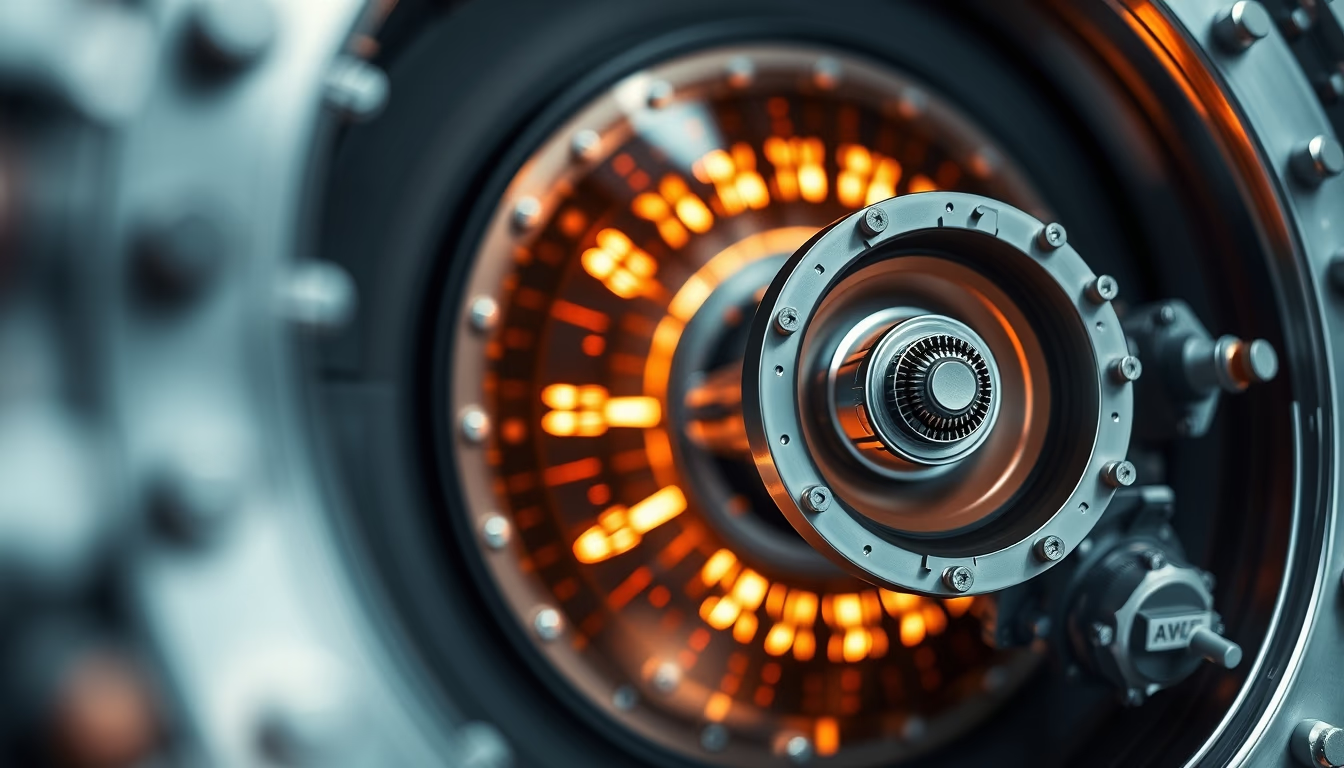
Acelerador de partículas interior cern
1344×768 · AVIF · CC BY 4.0
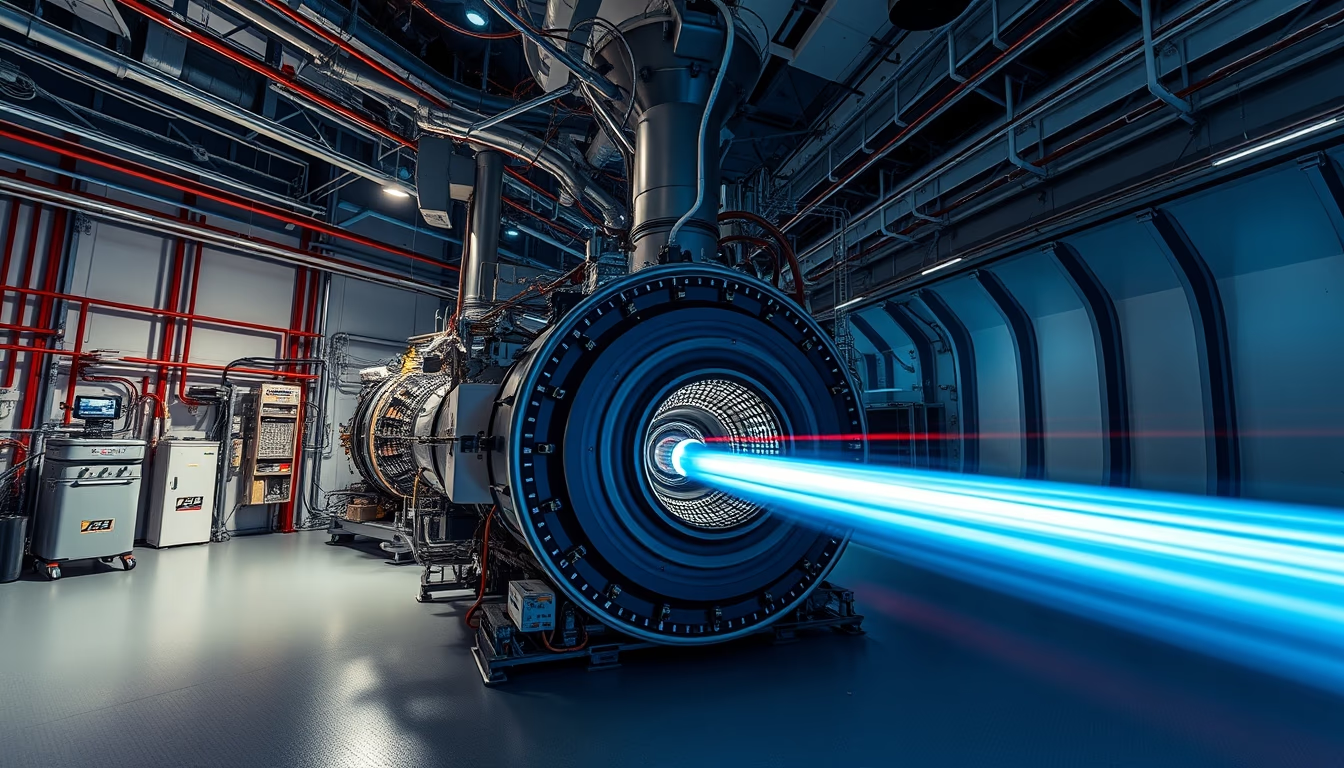
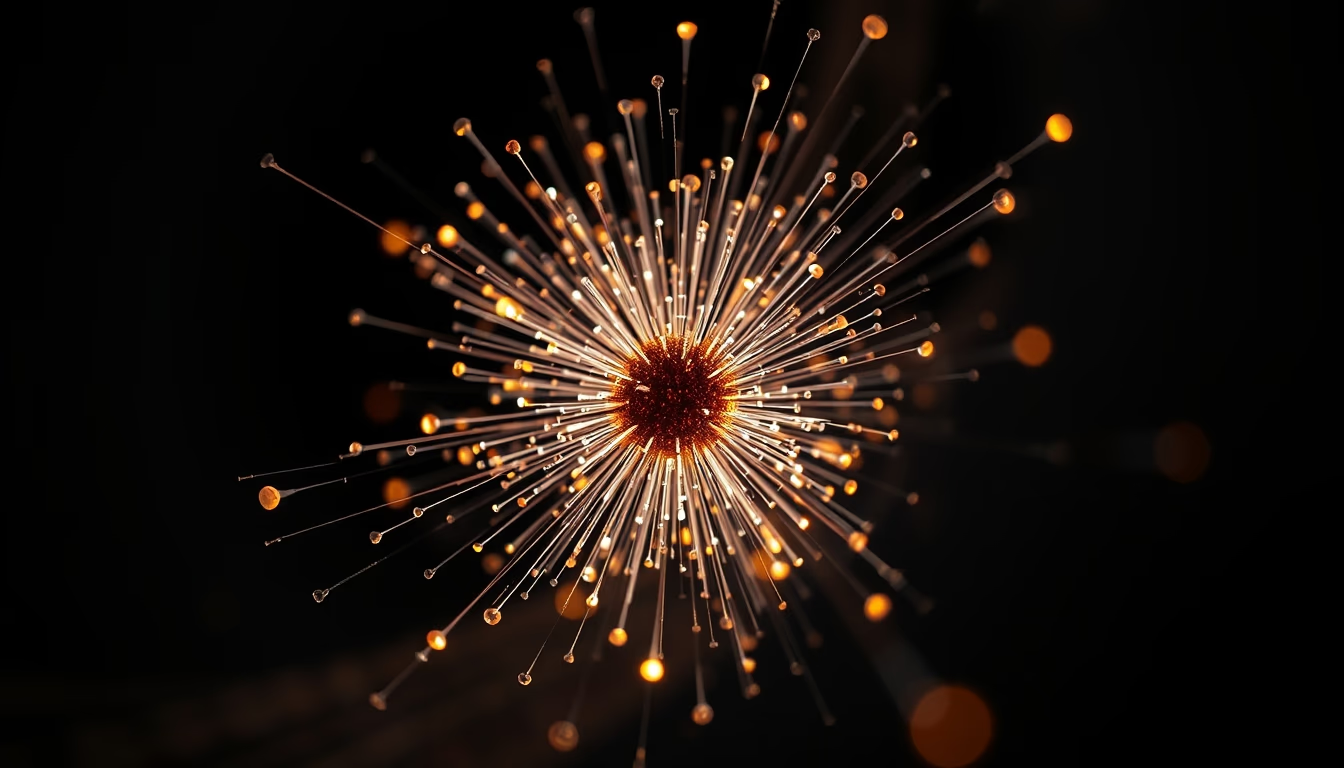
O interior do Grande Colisor de Hádrons (LHC) do CERN revela um túnel de 27 km equipado com ímãs supercondutores que aceleram partículas a velocidades próximas à da luz.
Sobre o tema
O Grande Colisor de Hádrons (LHC) é o maior e mais potente acelerador de partículas do mundo, localizado no CERN, na fronteira entre França e Suíça. Seu túnel circular de 27 quilômetros de circunferência fica a cerca de 100 metros de profundidade, abrigando ímãs supercondutores resfriados a 1,9 Kelvin, mais frios que o espaço sideral. Esses ímãs guiam feixes de prótons ou íons pesados em direções opostas, colidindo-os a energias de até 13 trilhões de elétron-volts.
O LHC entrou em operação em 2008 e foi responsável pela descoberta do bóson de Higgs em 2012, confirmado o mecanismo que dá massa às partículas fundamentais. Desde então, o colisor tem investigado matéria escura, antimatéria e as condições do universo primordial. As colisões geram dados que são processados por uma rede global de computadores (GRID) a uma taxa equivalente a 15 petabytes por ano.
Curiosamente, o túnel do LHC foi originalmente construído para o antecessor LEP (Large Electron-Positron collider), que operou entre 1989 e 2000. Para atingir as energias necessárias, os feixes de prótons percorrem todo o anel 11.245 vezes por segundo, mantidos em vácuo ultra-alto, similar ao da Lua. A segurança do equipamento é monitorada por sistemas de desligamento rápido que podem interromper o feixe em milissegundos.
Perguntas frequentes
O que é o LHC e para que serve?
O Large Hadron Collider (LHC) é um acelerador de partículas que colide feixes de prótons ou íons para estudar as partículas fundamentais da matéria. Ele serve para testar teorias físicas, como o Modelo Padrão, e buscar novas partículas ou forças.
Como o LHC consegue acelerar partículas a velocidades tão altas?
O LHC usa campos elétricos alternados em cavidades de radiofrequência para acelerar as partículas, enquanto ímãs supercondutores curvam a trajetória dentro do anel. Os ímãs operam a temperaturas criogênicas para manter a supercondutividade.
O LHC pode criar buracos negros ou destruir a Terra?
Não. As colisões geram micro buracos negros teóricos que evaporariam instantaneamente pela radiação Hawking, sem risco. Estudos de segurança comprovam que o LHC é seguro e colisões similares ocorrem naturalmente na atmosfera por raios cósmicos.
URL direta
https://pub-c7d6a6ea828543ac903a74a341ccb2e1.r2.dev/imagens/particle-accelerator-interior-cern-long-exposure-p11.avifComo creditar
Inclua um link visível de volta pro UtilizAí. Copie um dos snippets abaixo:
<a href="https://xn--utiliza-eza.com/midia/imagens/particle-accelerator-interior-cern-long-exposure-p11">Acelerador de partículas interior cern</a> by <a href="https://xn--utiliza-eza.com">UtilizAí</a>, licensed under <a href="https://creativecommons.org/licenses/by/4.0/">CC BY 4.0</a>.
[Acelerador de partículas interior cern](https://xn--utiliza-eza.com/midia/imagens/particle-accelerator-interior-cern-long-exposure-p11) by [UtilizAí](https://xn--utiliza-eza.com), CC BY 4.0
Licença: CC-BY-4.0