Limestone karst
1344×768 · AVIF · CC BY 4.0
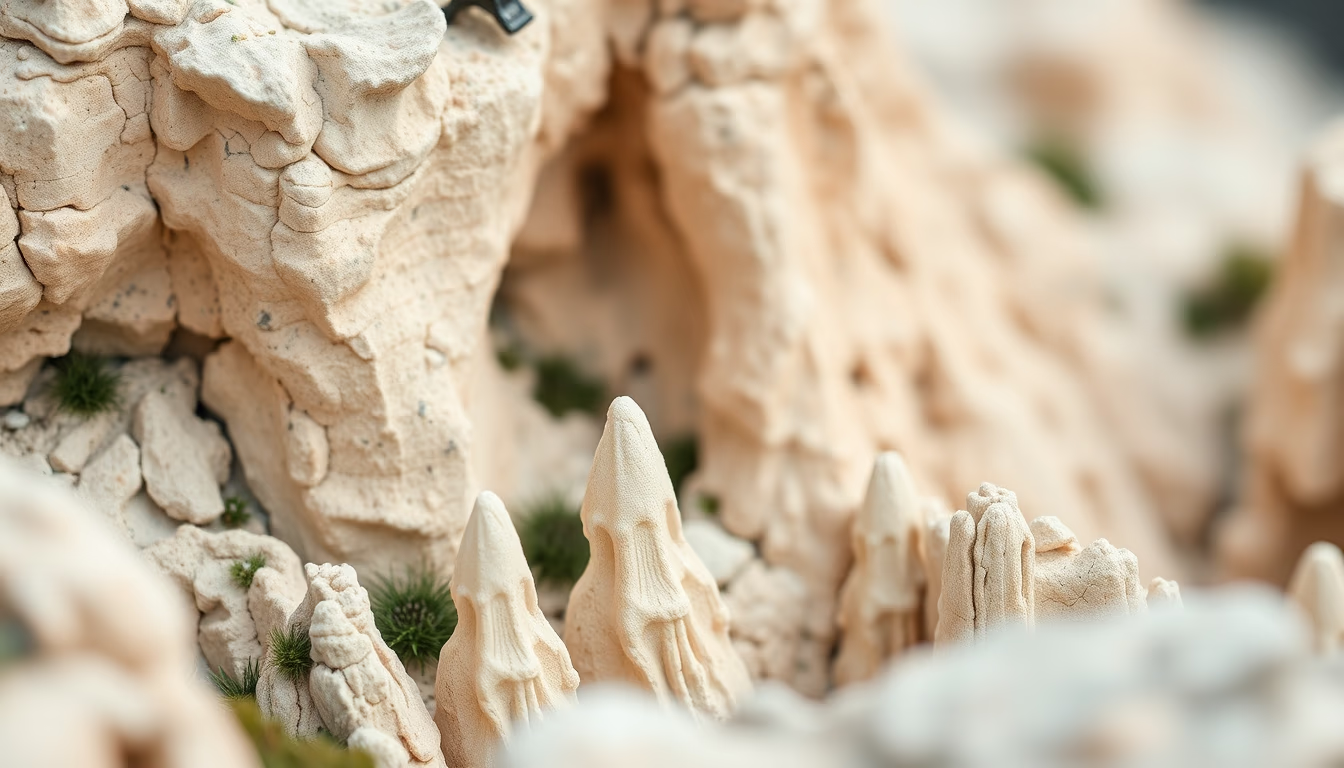
Limestone karst is a landscape formed by the dissolution of carbonate rocks, resulting in caves, sinkholes, and karst relief.
About this subject
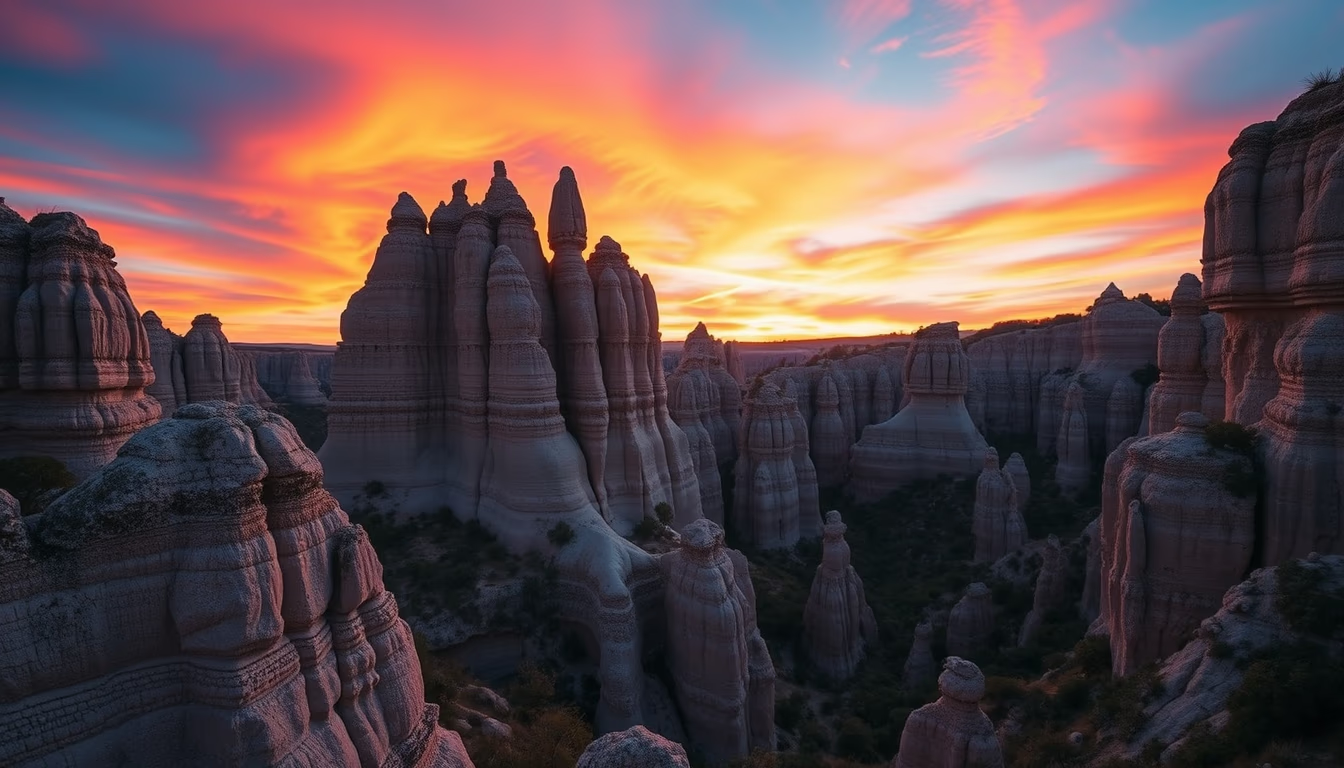
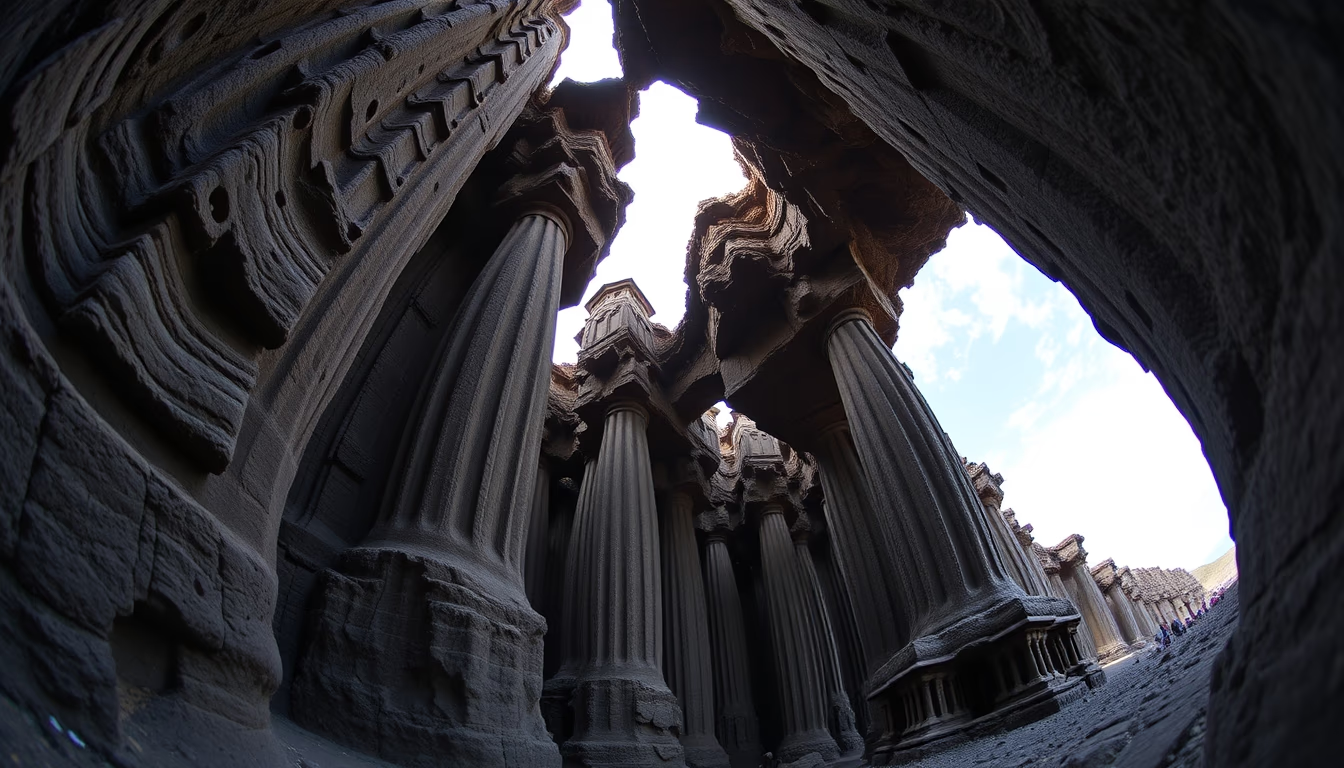
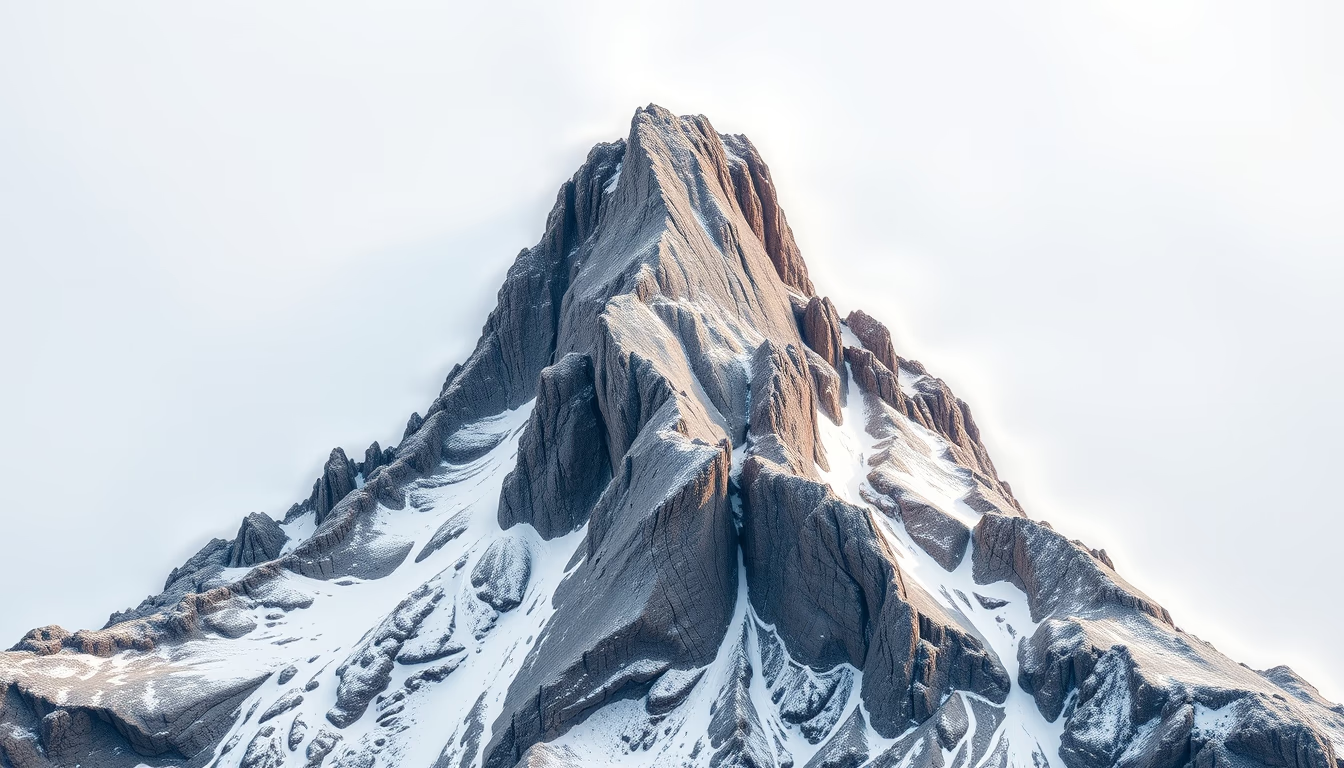
Limestone karst forms when soluble rocks, such as limestone and dolomite, are dissolved by slightly acidic rainwater or groundwater. This chemical process, over thousands of years, creates characteristic features: caves, sinkholes (closed depressions), sumps, and residual towers. The dissolution rate depends on climate, CO2 content, and rock fractures.
In Brazil, important karst regions occur in Minas Gerais (Sete Lagoas, Lagoa Santa area), Bahia (Chapada Diamantina), and Mato Grosso do Sul (Bonito, with its flooded caves). The Lagoa Santa region, for instance, is famous for archaeological sites with rock paintings and megafauna fossils. Worldwide, Southeast Asia stands out, with the karst peaks of Guilin (China) and Ha Long Bay (Vietnam), formed by eroded limestone.
Karst landscapes have high ecological and hydrological significance. Karst aquifers store and transmit water quickly, feeding springs and sustaining unique ecosystems. However, they are vulnerable to pollution because water percolates rapidly without adequate filtration. Caves also provide habitats for specialized fauna, such as bats and troglobitic invertebrates.
Touristically, limestone karst attracts visitors for caving, diving in crystal-clear waters, and observing rock formations. Tilt-shift photography from above enhances the miniature-like appearance of these landforms, popularizing the aesthetic on social media and promotional materials for destinations like Bonito and Chapada Diamantina.
Frequently Asked Questions
What causes limestone karst formation?
Limestone karst forms by chemical dissolution of carbonate rocks (limestone, dolomite) by slightly acidic water enriched with carbon dioxide. The process takes thousands of years, creating caves, sinkholes, and towers.
Where can karst landscapes be found in Brazil?
In Brazil, karst landscapes are common in Minas Gerais (Sete Lagoas, Lagoa Santa region), Bahia (Chapada Diamantina), and Mato Grosso do Sul (Bonito). These areas feature caves, underground rivers, and typical rock formations.
What is the ecological importance of karst?
Karst hosts aquifers that supply water to springs and ecosystems. Caves provide habitat for adapted species such as bats and troglobitic invertebrates. However, they are sensitive to pollution due to rapid water infiltration.
Direct URL
https://pub-c7d6a6ea828543ac903a74a341ccb2e1.r2.dev/imagens/limestone-karst-tilt-shift-miniature-fresh1.avifHow to credit
Include a visible link back to UtilizAí. Copy one of the snippets below:
<a href="https://xn--utiliza-eza.com/en/midia/imagens/limestone-karst-tilt-shift-miniature-fresh1">Limestone karst</a> by <a href="https://xn--utiliza-eza.com">UtilizAí</a>, licensed under <a href="https://creativecommons.org/licenses/by/4.0/">CC BY 4.0</a>.
[Limestone karst](https://xn--utiliza-eza.com/en/midia/imagens/limestone-karst-tilt-shift-miniature-fresh1) by [UtilizAí](https://xn--utiliza-eza.com), CC BY 4.0
License: CC-BY-4.0