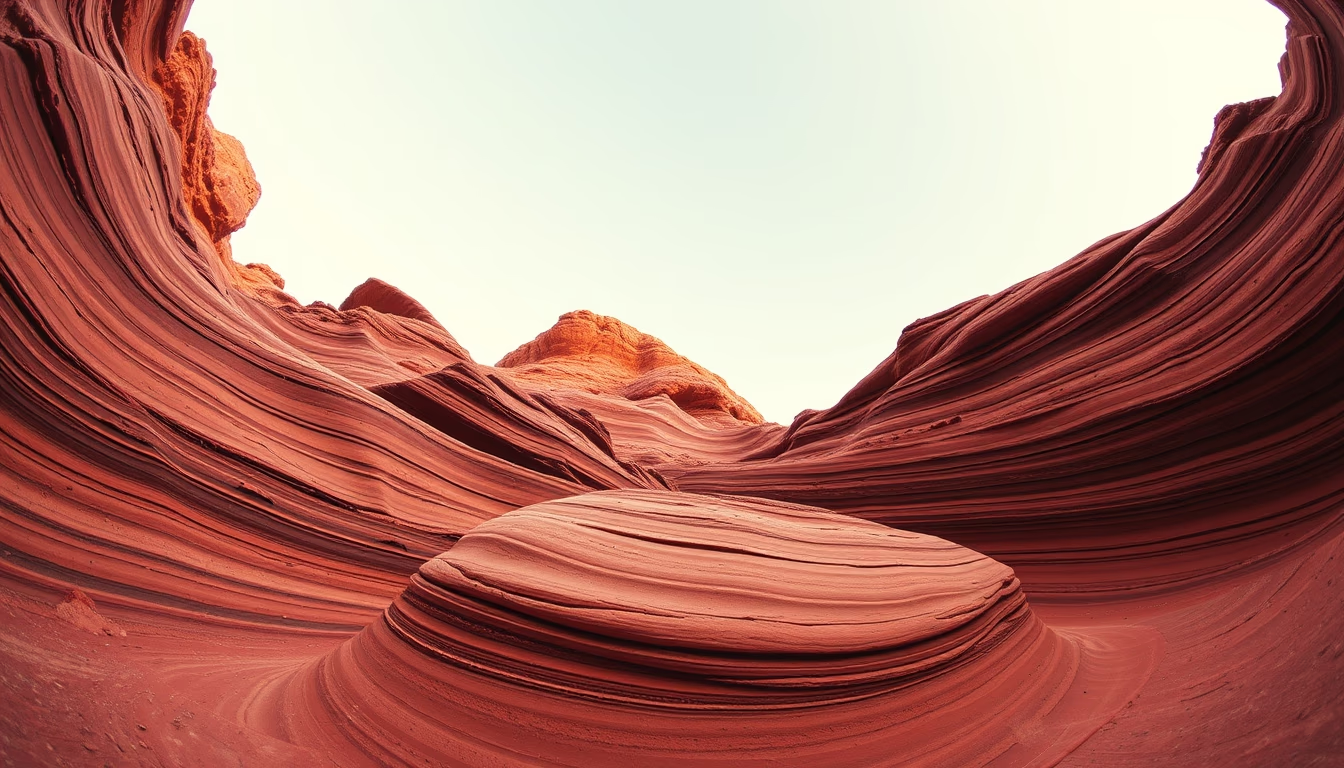
Limestone karst
1344×768 · AVIF · CC BY 4.0
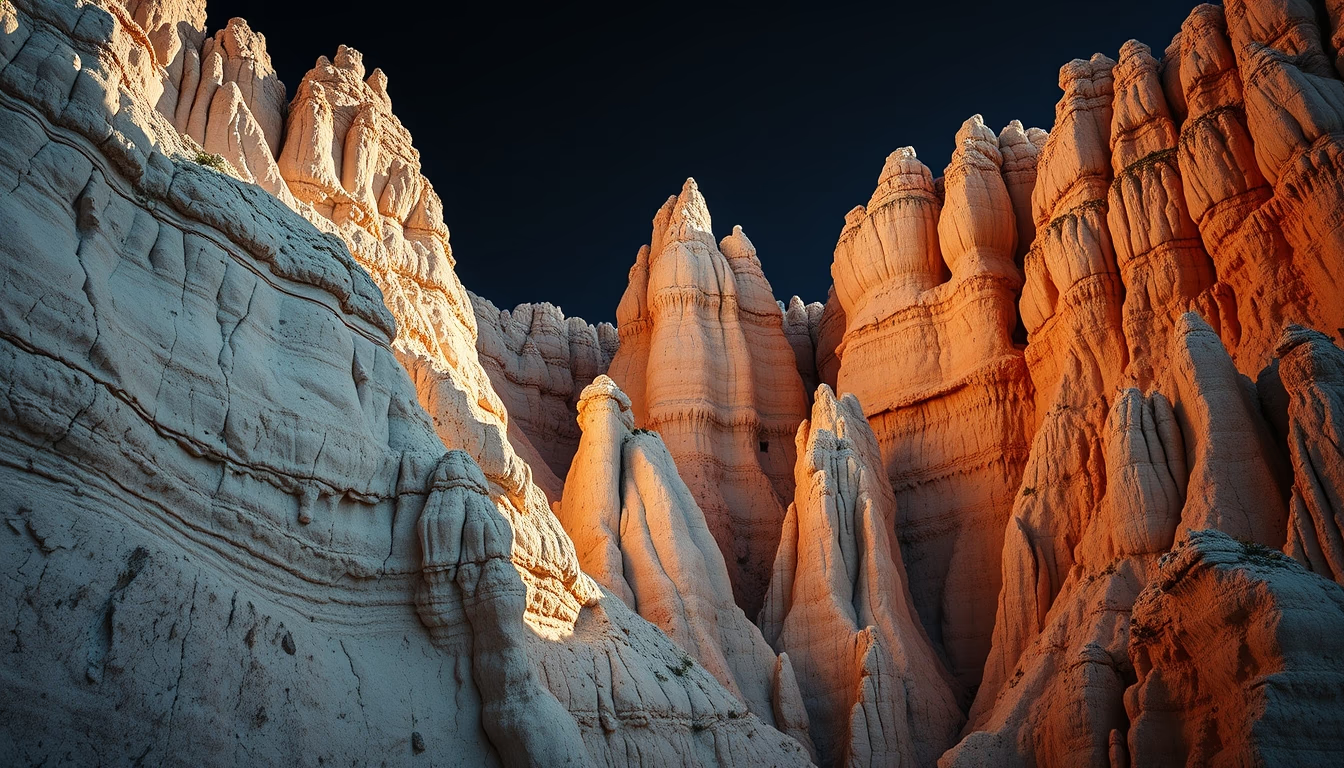
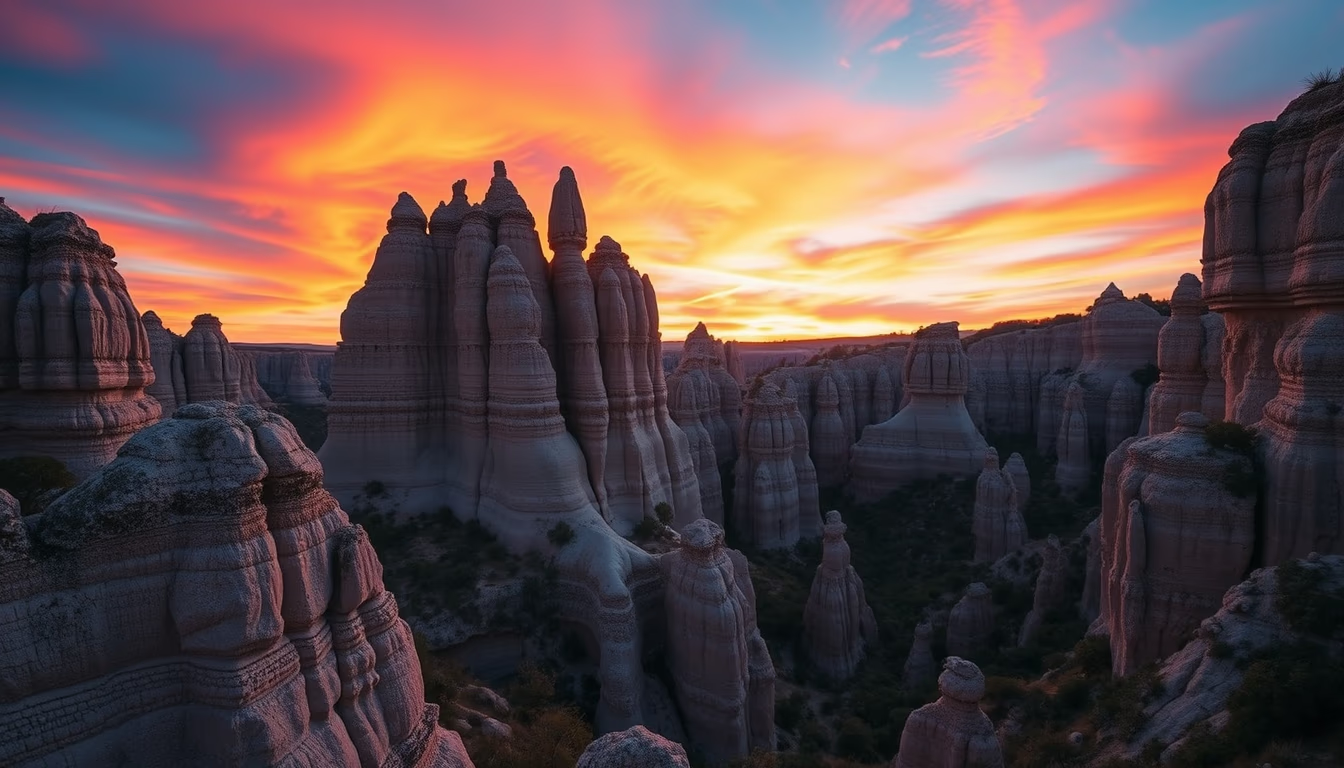
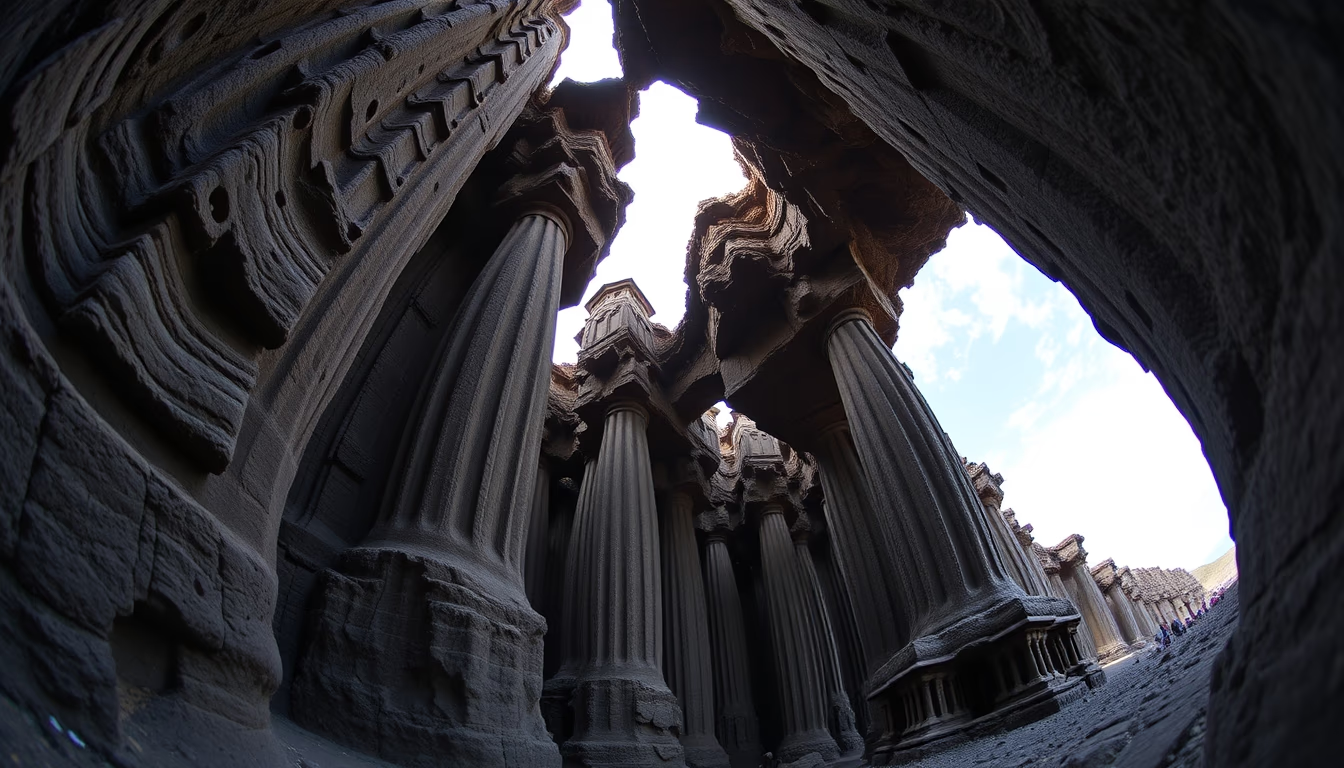
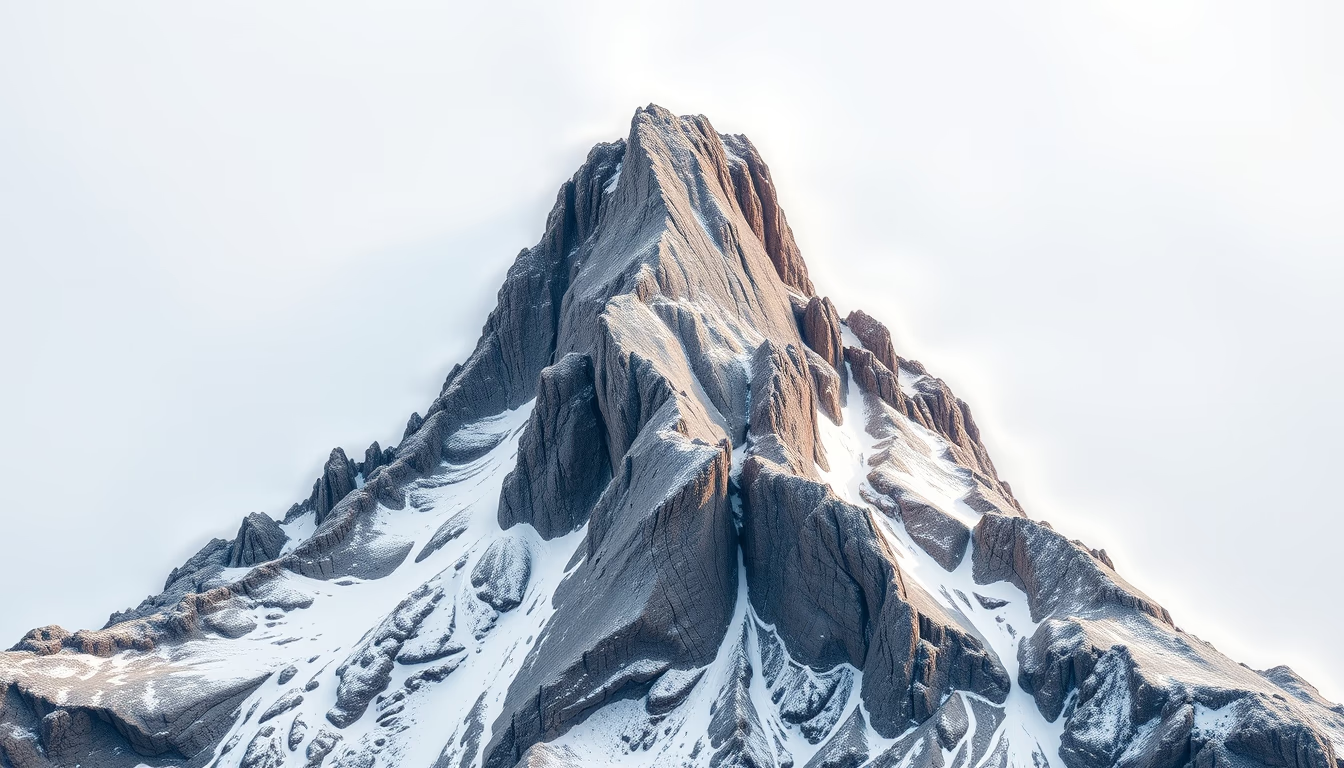
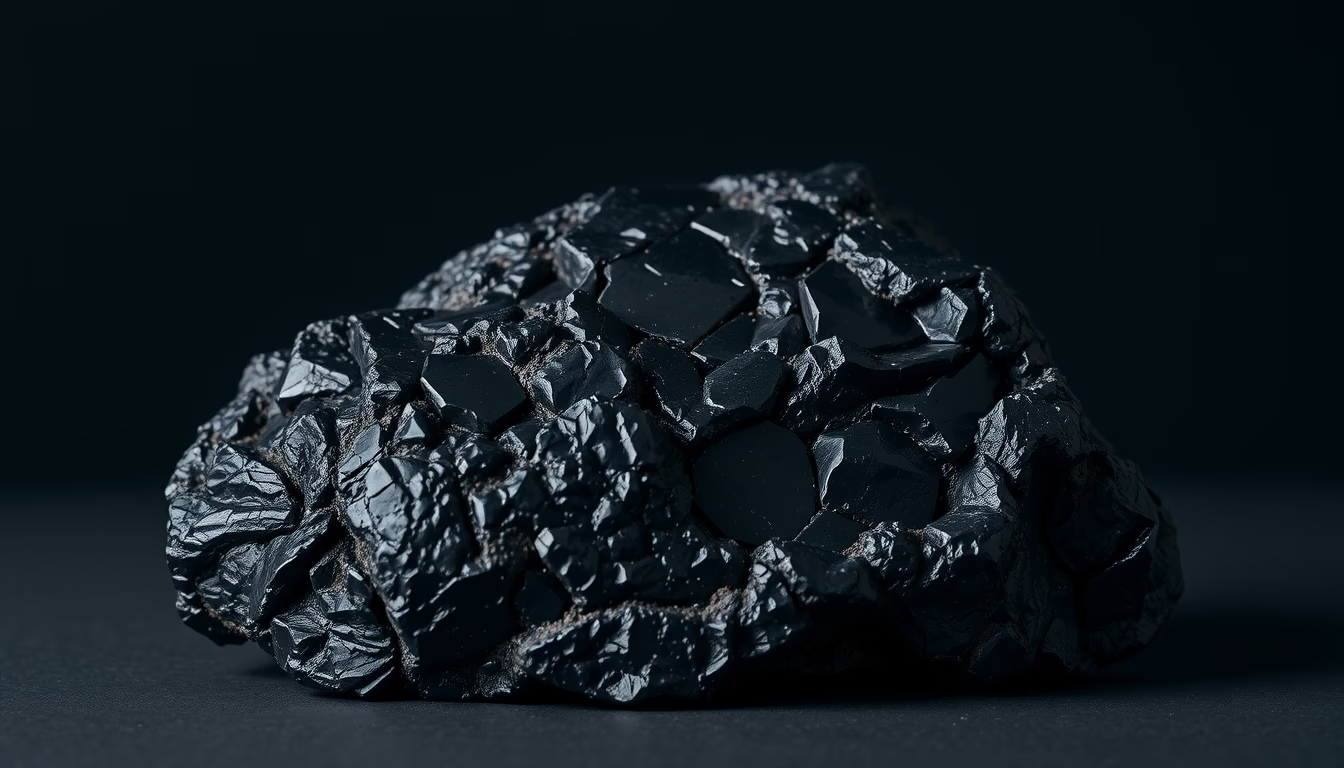
Limestone karst is a landscape formed by the dissolution of soluble rocks, creating caves, sinkholes, and unique reliefs worldwide.
About this subject
Limestone karst is a geological landscape resulting from the chemical dissolution of carbonate rocks, mainly limestone and dolomite, by slightly acidic water. This process, known as karstification, occurs over thousands or millions of years and generates surface and underground features such as lapies, sinkholes, caves, and underground rivers. The word “karst” originates from the Kras region between Slovenia and Italy, where these reliefs were first studied.
In Brazil, limestone karst is especially prominent in areas such as Chapada Diamantina (Bahia), Vale do Ribeira (São Paulo and Paraná), and the Sete Lagoas region (Minas Gerais). The Devil’s Cave in Jacupiranga State Park and the Blue Lake Grotto in Bonito (Mato Grosso do Sul) are world-renowned examples. Globally, notable karst landscapes include Phong Nha-Ke Bang National Park (Vietnam), the Guilin Karst (China), and Plitvice Lakes National Park (Croatia), all recognized for their exceptional beauty.
Beyond aesthetic value, karsts provide vital ecological functions. They host aquifers that supply water to millions of people and support subterranean ecosystems with endemic species, such as blind fish and crustaceans adapted to darkness. The porosity of karst rocks, however, makes them vulnerable to pollution: contaminants can infiltrate quickly and reach groundwater. Therefore, conservation of these areas is essential.
Interestingly, limestone karst also serves as an important paleontological and archaeological archive. Many caves preserve fossils of extinct animals, such as Pleistocene megafauna, and contain rock art sites created by prehistoric peoples. In Brazil, Lapinha Cave (Minas Gerais) and Toca da Esperança (Bahia) hold evidence of human occupation dating back over 10,000 years.
Frequently Asked Questions
What causes limestone karst formation?
Limestone karst formation is caused by the dissolution of carbonate rocks, such as limestone and dolomite, by rainwater slightly acidified by carbon dioxide. This chemical process, called karstification, creates cavities and characteristic features over thousands of years.
Where can I visit karst landscapes in Brazil?
In Brazil, destinations like Bonito (MS), Chapada Diamantina (BA), and Vale do Ribeira (SP/PR) offer caves, grottoes, and crystal-clear rivers in karst terrain. Blue Lake Grotto and Devil's Cave are famous examples.
Why are karst aquifers vulnerable to pollution?
Karst rocks are highly permeable, with fractures and conduits that allow surface pollutants, such as pesticides and sewage, to quickly reach groundwater without natural filtration. This makes contamination difficult to reverse.
Direct URL
https://pub-c7d6a6ea828543ac903a74a341ccb2e1.r2.dev/imagens/limestone-karst-fine-art-photography-fresh9.avifHow to credit
Include a visible link back to UtilizAí. Copy one of the snippets below:
<a href="https://xn--utiliza-eza.com/en/midia/imagens/limestone-karst-fine-art-photography-fresh9">Limestone karst</a> by <a href="https://xn--utiliza-eza.com">UtilizAí</a>, licensed under <a href="https://creativecommons.org/licenses/by/4.0/">CC BY 4.0</a>.
[Limestone karst](https://xn--utiliza-eza.com/en/midia/imagens/limestone-karst-fine-art-photography-fresh9) by [UtilizAí](https://xn--utiliza-eza.com), CC BY 4.0
License: CC-BY-4.0