Fusion reactor tokamak
1344×768 · AVIF · CC BY 4.0
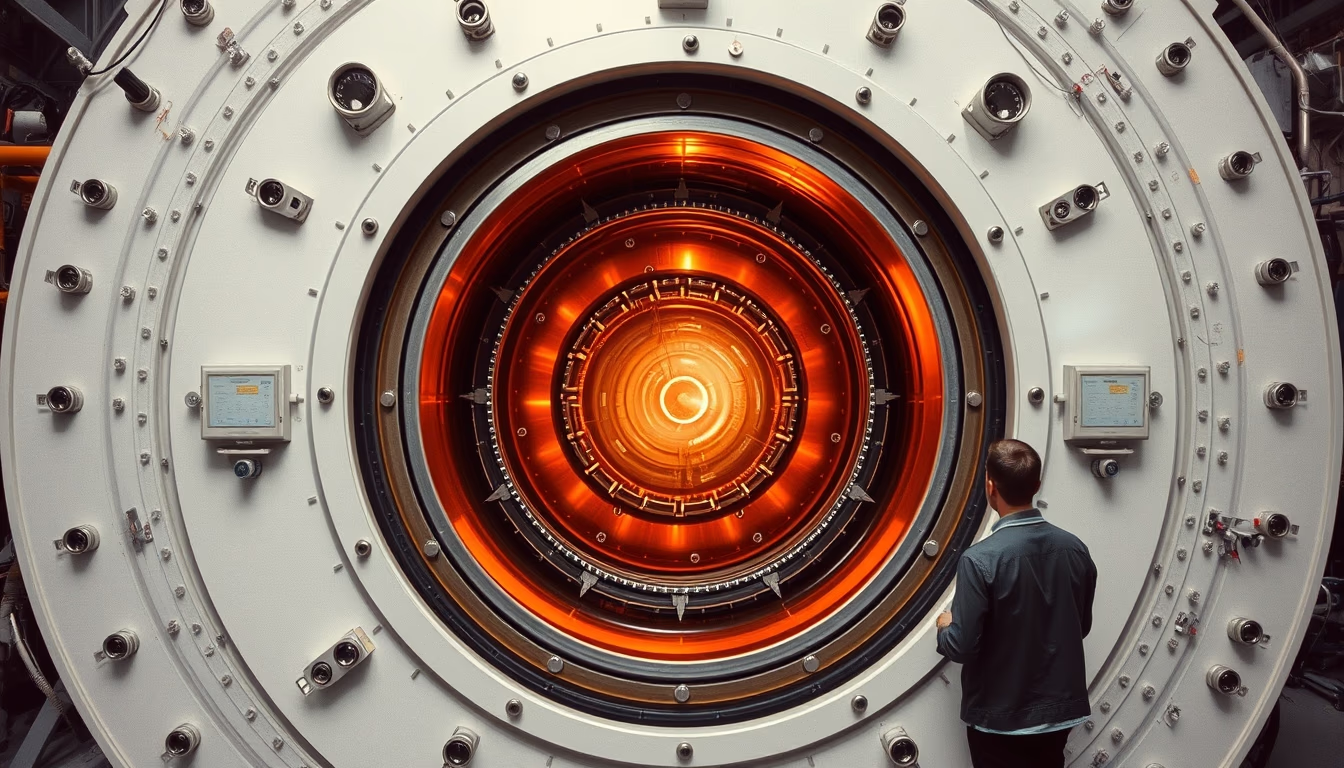
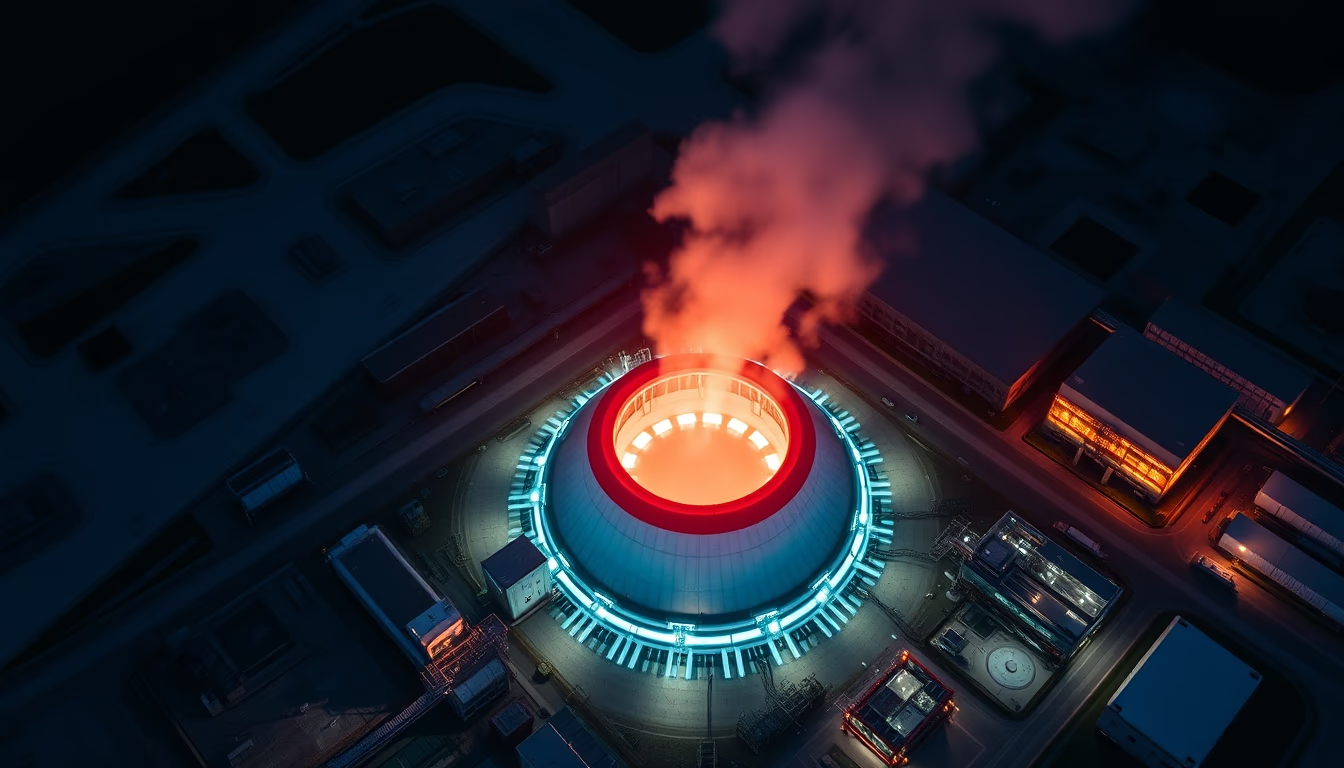
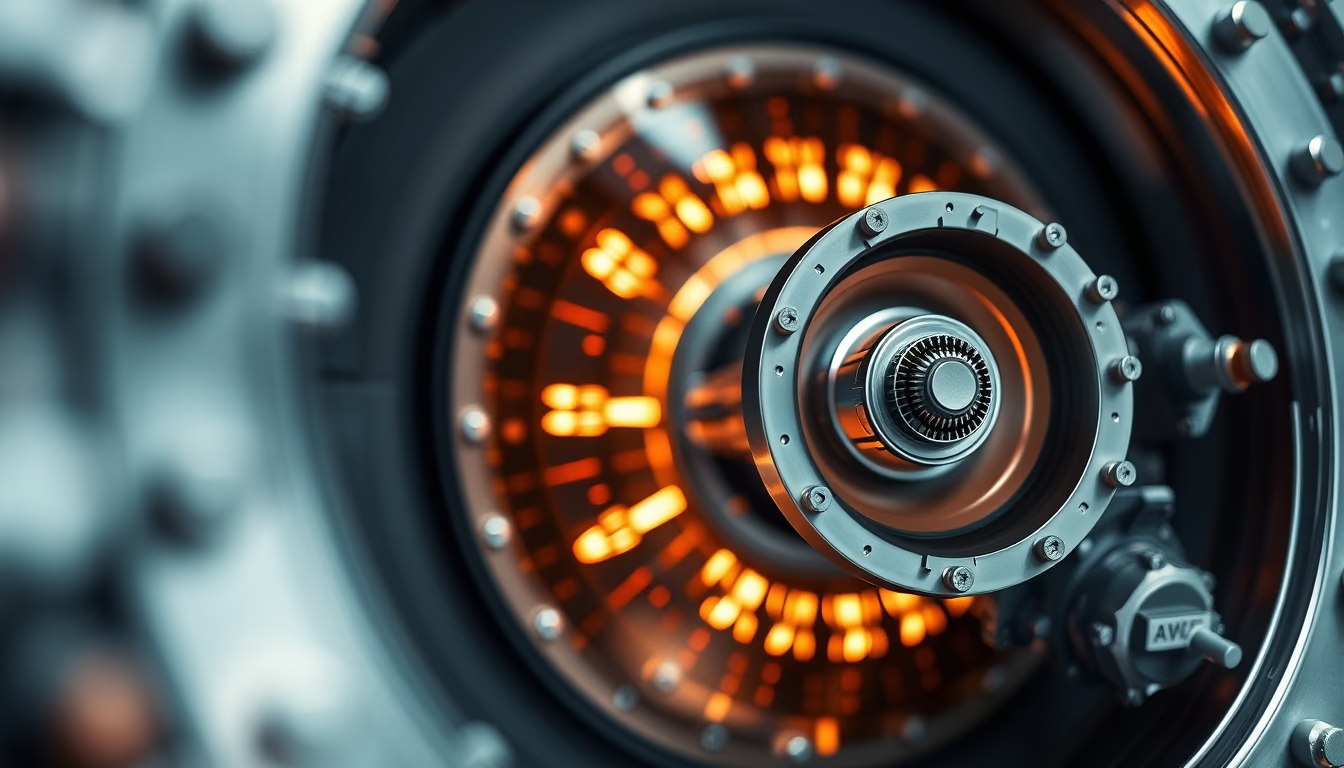
O tokamak é um dispositivo de confinamento magnético projetado para viabilizar a fusão nuclear controlada, replicando na Terra processos que ocorrem no núcleo do Sol.
Sobre o tema
Um tokamak é um reator de fusão nuclear que utiliza campos magnéticos intensos para confinar plasma a temperaturas acima de 150 milhões de graus Celsius, condição necessária para que núcleos atômicos leves, como os de deutério e trítio, se fundam e liberem energia. O conceito foi desenvolvido nos anos 1950 pelos físicos soviéticos Igor Tamm e Andrei Sakharov, e o primeiro dispositivo operacional foi construído no Instituto Kurchatov, em Moscou. O nome "tokamak" é um acrônimo russo para "câmara toroidal com bobinas magnéticas".
A principal vantagem do tokamak sobre outros projetos de fusão é sua capacidade de manter o plasma estável por períodos mais longos, graças à combinação de um campo magnético toroidal (ao redor do eixo principal) e um campo poloidal (gerado por corrente elétrica no próprio plasma). Essa configuração cria uma estrutura helicoidal que impede que as partículas do plasma escapem. Atualmente, o maior experimento do mundo nessa linha é o ITER, em construção na França, que visa demonstrar a viabilidade comercial da fusão.
A fusão nuclear em tokamaks oferece uma fonte de energia potencialmente ilimitada, com combustível abundante (deutério extraído da água do mar e trítio produzido a partir de lítio), sem emissão de gases de efeito estufa e com resíduos radioativos de baixa duração. No entanto, desafios técnicos enormes ainda persistem, como a degradação dos materiais pela intensa radiação de nêutrons e a instabilidade do plasma. Avanços recentes, como o uso de supercondutores de alta temperatura nas bobinas, estão aproximando a fusão da realidade comercial, com projetos como o SPARC (EUA) e o JT-60SA (Japão) contribuindo para a pesquisa.
Perguntas frequentes
Como funciona um tokamak?
Um tokamak confina plasma superaquecido em formato de rosquinha usando campos magnéticos. O plasma é aquecido a temperaturas extremas para que os núcleos atômicos superem a repulsão eletrostática e se fundam, liberando energia.
Qual a diferença entre fusão e fissão nuclear?
Na fusão, núcleos leves se unem para formar um núcleo mais pesado, liberando energia. Na fissão, núcleos pesados se dividem. Fusão produz menos resíduos radioativos de longa duração e não apresenta risco de reação em cadeia descontrolada.
O ITER vai produzir energia comercialmente?
O ITER é um experimento para provar que a fusão pode gerar mais energia do que consome. Se bem-sucedido, a próxima geração de reatores (como o DEMO) poderá gerar eletricidade para a rede.
URL direta
https://pub-c7d6a6ea828543ac903a74a341ccb2e1.r2.dev/imagens/fusion-reactor-tokamak-film-grain-authentic-p1.avifComo creditar
Inclua um link visível de volta pro UtilizAí. Copie um dos snippets abaixo:
<a href="https://xn--utiliza-eza.com/midia/imagens/fusion-reactor-tokamak-film-grain-authentic-p1">Fusion reactor tokamak</a> by <a href="https://xn--utiliza-eza.com">UtilizAí</a>, licensed under <a href="https://creativecommons.org/licenses/by/4.0/">CC BY 4.0</a>.
[Fusion reactor tokamak](https://xn--utiliza-eza.com/midia/imagens/fusion-reactor-tokamak-film-grain-authentic-p1) by [UtilizAí](https://xn--utiliza-eza.com), CC BY 4.0
Licença: CC-BY-4.0