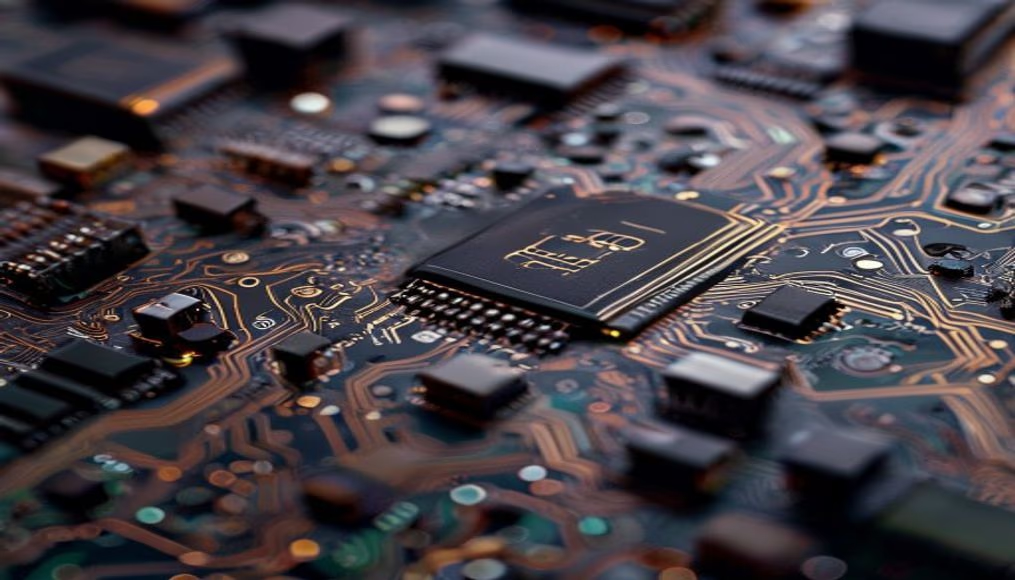
Electronic vote machine technician configuring Brazilian voting machine
1344×768 · AVIF · CC BY 4.0

A technician configures the Brazilian electronic voting machine at twilight, ensuring the security and reliability of the electronic voting system.
About this subject
The Brazilian electronic voting machine, known as 'urna eletrônica', has been used in Brazilian elections since 1996. Developed by the Superior Electoral Court (TSE), it was designed to increase security, speed, and transparency in the electoral process. The device replaced paper ballots and is considered one of the most advanced voting systems worldwide. The voting machine operates autonomously, without an internet connection, making it immune to external cyberattacks.
Configuration of the electronic voting machine is performed by specialized technicians, who prepare the device before each election. This process includes installing the voting software, entering the candidate lists, and running security tests. The technician, as depicted in the image at twilight, works under controlled conditions to ensure each machine functions perfectly. The evening light may symbolize the final stages of preparation for election day.
The electronic voting machine features a robust design with a numeric keypad and an LCD screen, making it easy for voters of all ages to use. It also includes a system to print voting receipts, stored in a fabric bag for auditing. Brazil is one of the few countries to adopt 100% electronic voting, with machines used by over 150 million voters.
Interestingly, the TSE organizes public security tests where experts are invited to try to breach the system. These tests help improve the machine's security. Confidence in the system is so high that Brazil exports electronic voting technology to other countries, such as Paraguay and Ecuador. The image captures the critical preparation moment that safeguards Brazilian democracy.
Frequently Asked Questions
How does the Brazilian electronic voting machine work?
The electronic voting machine is a standalone device that records votes electronically. The voter types the candidate's number on the numeric keypad, confirms on the screen, and the vote is stored in internal memory. The machine has no internet connection, ensuring security against cyberattacks.
Who developed the Brazilian electronic voting machine?
The electronic voting machine was developed by the Brazilian Superior Electoral Court (TSE) in partnership with technology companies. The first model was used in the 1996 municipal elections.
Is the Brazilian electronic voting machine secure?
Yes, the machine is considered secure. It undergoes rigorous security tests, including public hacking tests organized by the TSE. Additionally, the system prints receipts for auditing purposes.
Direct URL
https://pub-c7d6a6ea828543ac903a74a341ccb2e1.r2.dev/imagens/electronic-vote-machine-technician-configuring-brazilian-urna-eletronica-closeup-twilight-4.avifHow to credit
Include a visible link back to UtilizAí. Copy one of the snippets below:
<a href="https://xn--utiliza-eza.com/en/midia/imagens/electronic-vote-machine-technician-configuring-brazilian-urna-eletronica-closeup-twilight-4">Electronic vote machine technician configuring Brazilian voting machine</a> by <a href="https://xn--utiliza-eza.com">UtilizAí</a>, licensed under <a href="https://creativecommons.org/licenses/by/4.0/">CC BY 4.0</a>.
[Electronic vote machine technician configuring Brazilian voting machine](https://xn--utiliza-eza.com/en/midia/imagens/electronic-vote-machine-technician-configuring-brazilian-urna-eletronica-closeup-twilight-4) by [UtilizAí](https://xn--utiliza-eza.com), CC BY 4.0
License: CC-BY-4.0