Dermatology tools clean
1344×768 · AVIF · CC BY 4.0
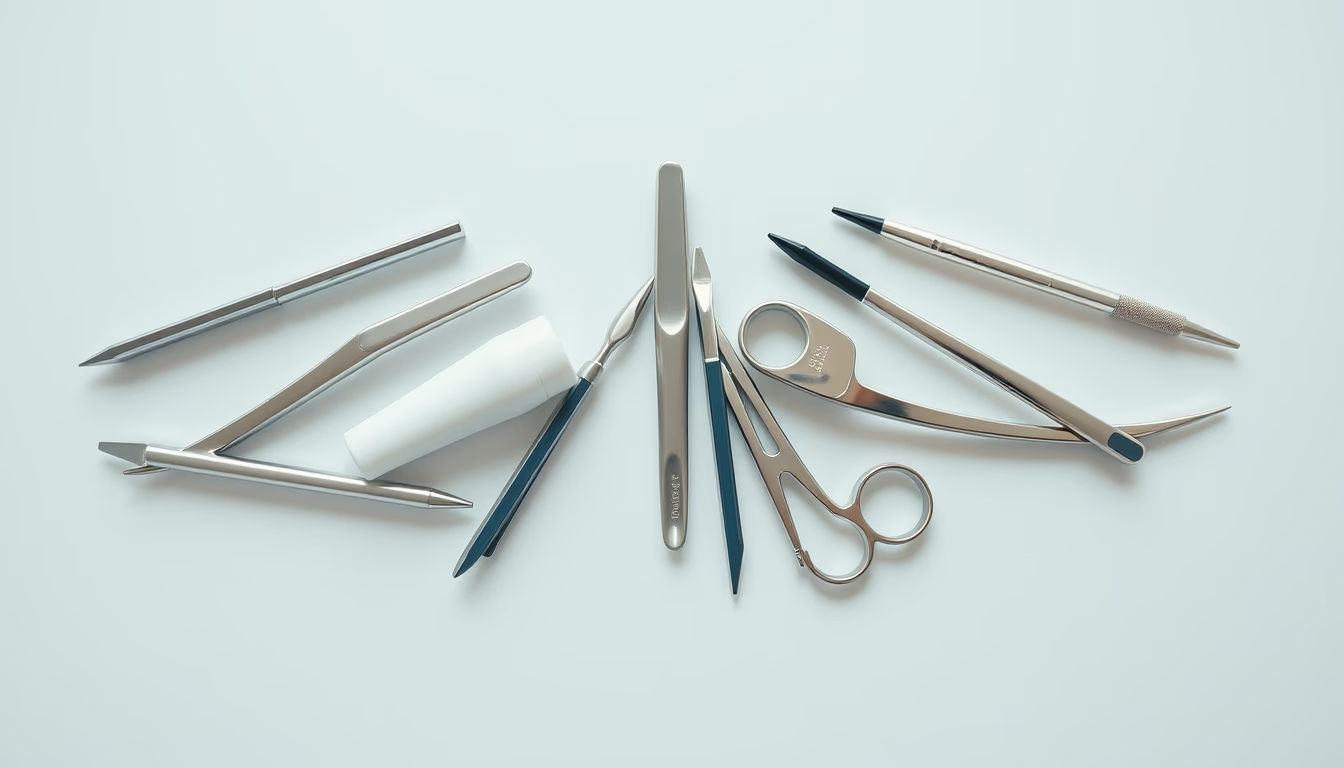
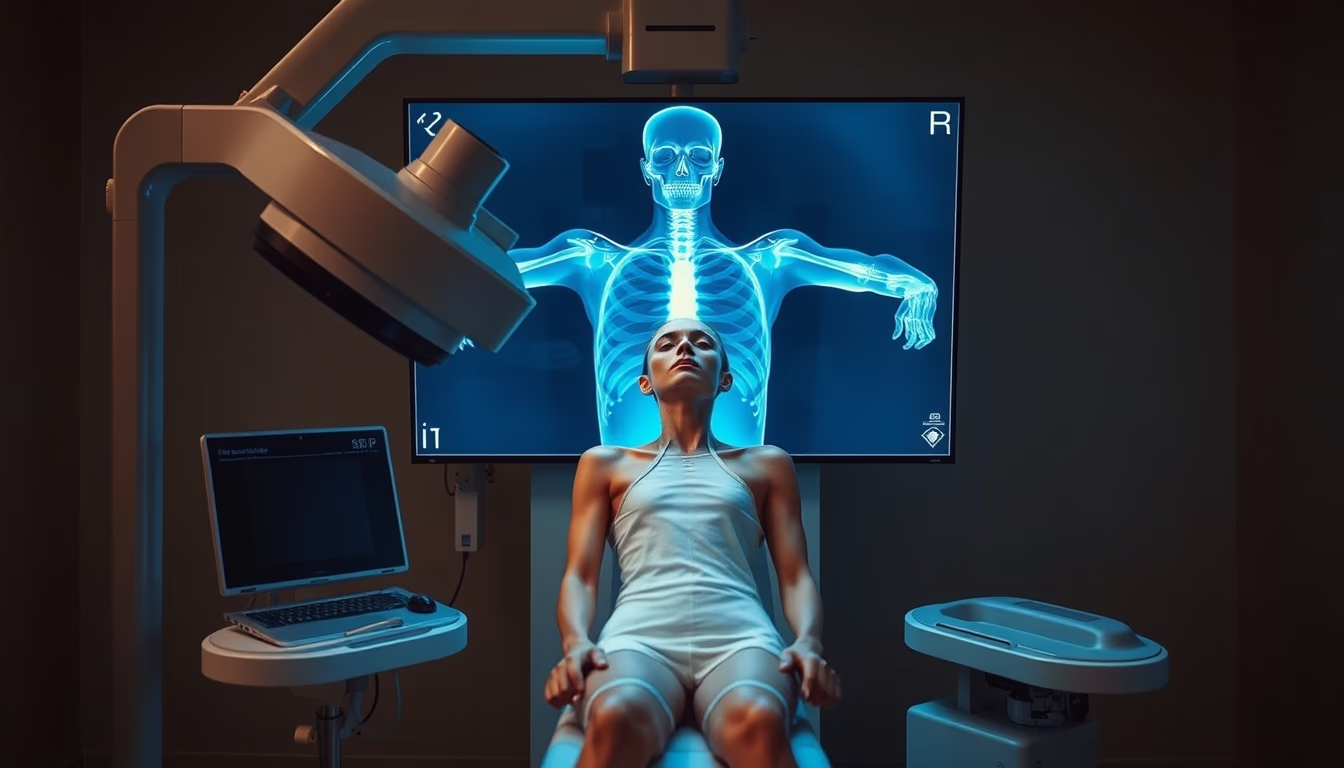
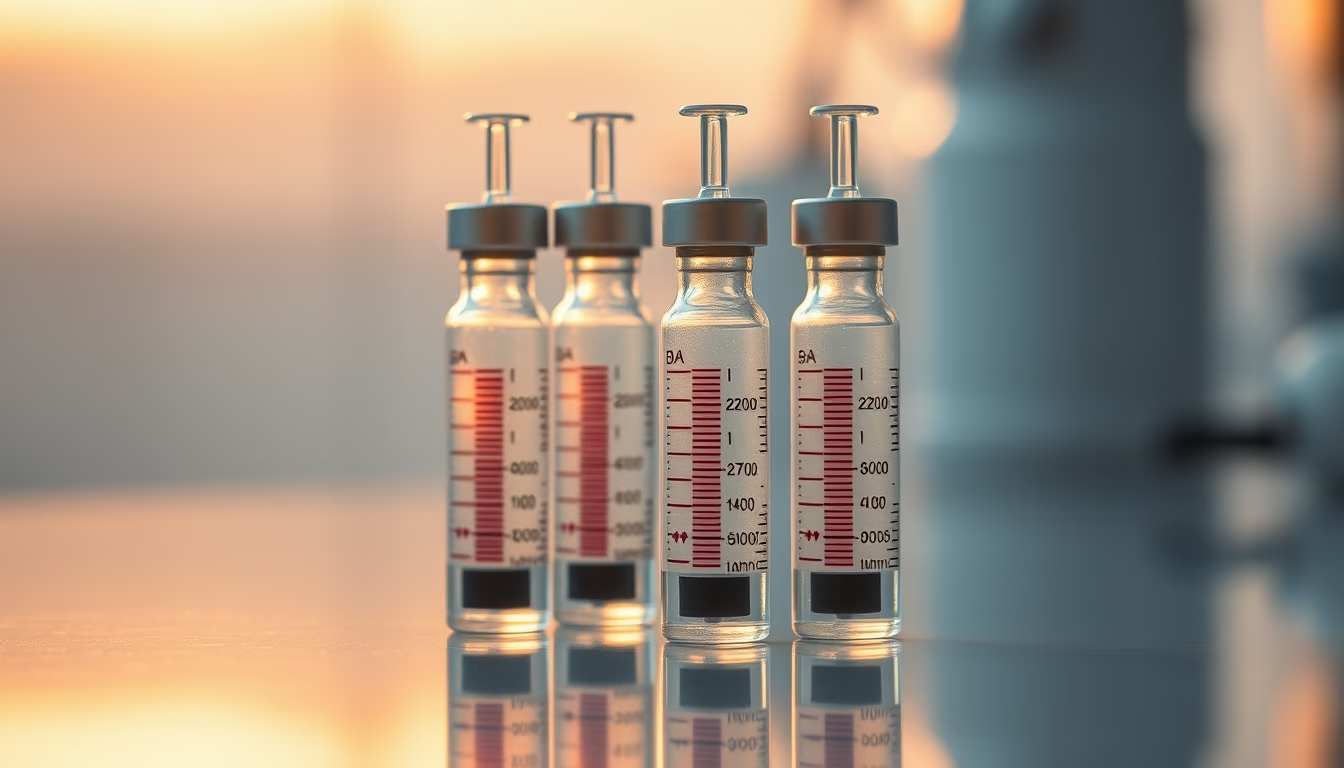
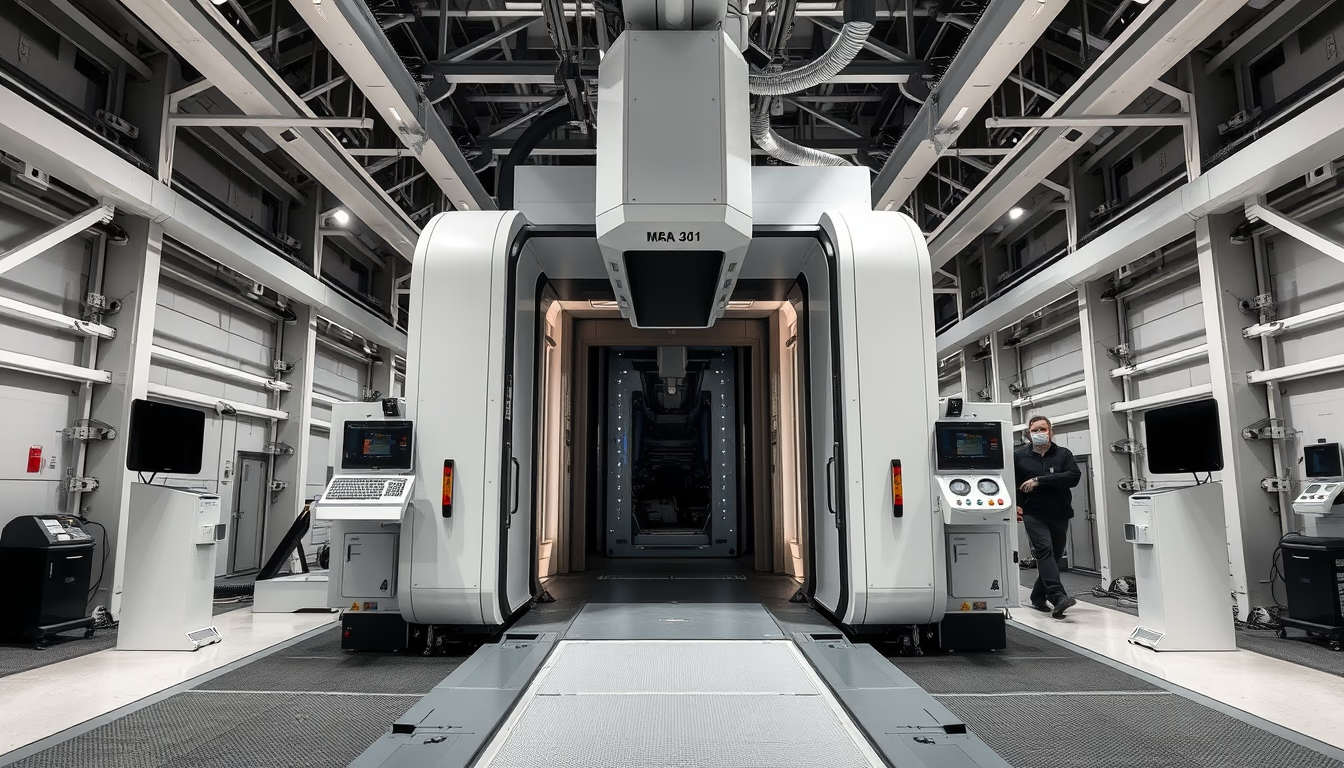
Clean and sterilized dermatological instruments are essential for safe procedures, preventing infections and ensuring surgical precision in dermatology.
About this subject
Modern dermatology relies on a wide range of surgical and diagnostic instruments, such as scalpels, curettes, punches, biopsy blades, and dermatoscopes. Each piece of equipment requires rigorous cleaning and sterilization protocols to prevent cross-contamination and hospital-acquired infections. In Brazil, the National Health Surveillance Agency (ANVISA) establishes specific standards for processing health products, including high-level disinfection and autoclave sterilization. These procedures are critical in clinics and hospitals, especially for skin biopsies, lesion removal, and cosmetic surgeries.
Dermatological instruments vary by specialty: curettes for scraping lesions, punches for circular biopsies, Iris scissors for precise cuts, and suture needles. Manual cleaning with enzymatic detergents removes organic matter, followed by steam sterilization under pressure (autoclave) at 121°C or 134°C. Alternatives include ethylene oxide and hydrogen peroxide plasma for heat-sensitive materials. Sterilization validation is performed using chemical and biological indicators, ensuring the effectiveness of the process.
A technical curiosity: dermatology was a pioneer in the use of aseptic techniques in the 19th century, with Joseph Lister influencing dermatological surgery. Today, traceability of instruments, through barcodes or RFID chips, is a growing trend in Brazilian hospitals, allowing monitoring of each sterilization cycle and preventing errors. Additionally, preventive maintenance (sharpening blades, lubricating joints) extends instrument lifespan and maintains cutting precision.
In the global context, the COVID-19 pandemic reinforced the importance of cleaning reusable instruments, driving the adoption of technologies such as rapid-cycle autoclaves and ultraviolet disinfection systems. For the patient, clean instruments mean lower risk of postoperative complications, such as keloids or infections by methicillin-resistant Staphylococcus aureus (MRSA). Aesthetic dermatology, with minimally invasive procedures, also requires sterilized instruments to prevent abscesses and inflammatory reactions.
Frequently Asked Questions
What are the main dermatological instruments and how are they sterilized?
The main ones include scalpels, curettes, punches, scissors, and biopsy blades. Sterilization is usually done by autoclave using steam at 121°C or 134°C after cleaning with enzymatic detergent.
Why is instrument cleaning important in aesthetic dermatology?
It prevents infections, abscesses, and inflammatory reactions, ensuring safety in procedures like fillers, botulinum toxin, and microneedling, which require sterile instruments.
Are there specific regulations in Brazil for sterilizing dermatological instruments?
Yes, ANVISA establishes RDC No. 15/2012, which defines good practice requirements for processing health products, including dermatological instruments.
Direct URL
https://pub-c7d6a6ea828543ac903a74a341ccb2e1.r2.dev/imagens/dermatology-tools-clean-architectural-photography-p4.avifHow to credit
Include a visible link back to UtilizAí. Copy one of the snippets below:
<a href="https://xn--utiliza-eza.com/en/midia/imagens/dermatology-tools-clean-architectural-photography-p4">Dermatology tools clean</a> by <a href="https://xn--utiliza-eza.com">UtilizAí</a>, licensed under <a href="https://creativecommons.org/licenses/by/4.0/">CC BY 4.0</a>.
[Dermatology tools clean](https://xn--utiliza-eza.com/en/midia/imagens/dermatology-tools-clean-architectural-photography-p4) by [UtilizAí](https://xn--utiliza-eza.com), CC BY 4.0
License: CC-BY-4.0