Antarctic ozone hole
1344×768 · AVIF · CC BY 4.0
The ozone hole over Antarctica is a seasonal phenomenon monitored by satellites since the 1980s, with global implications for human health and climate.
About this subject
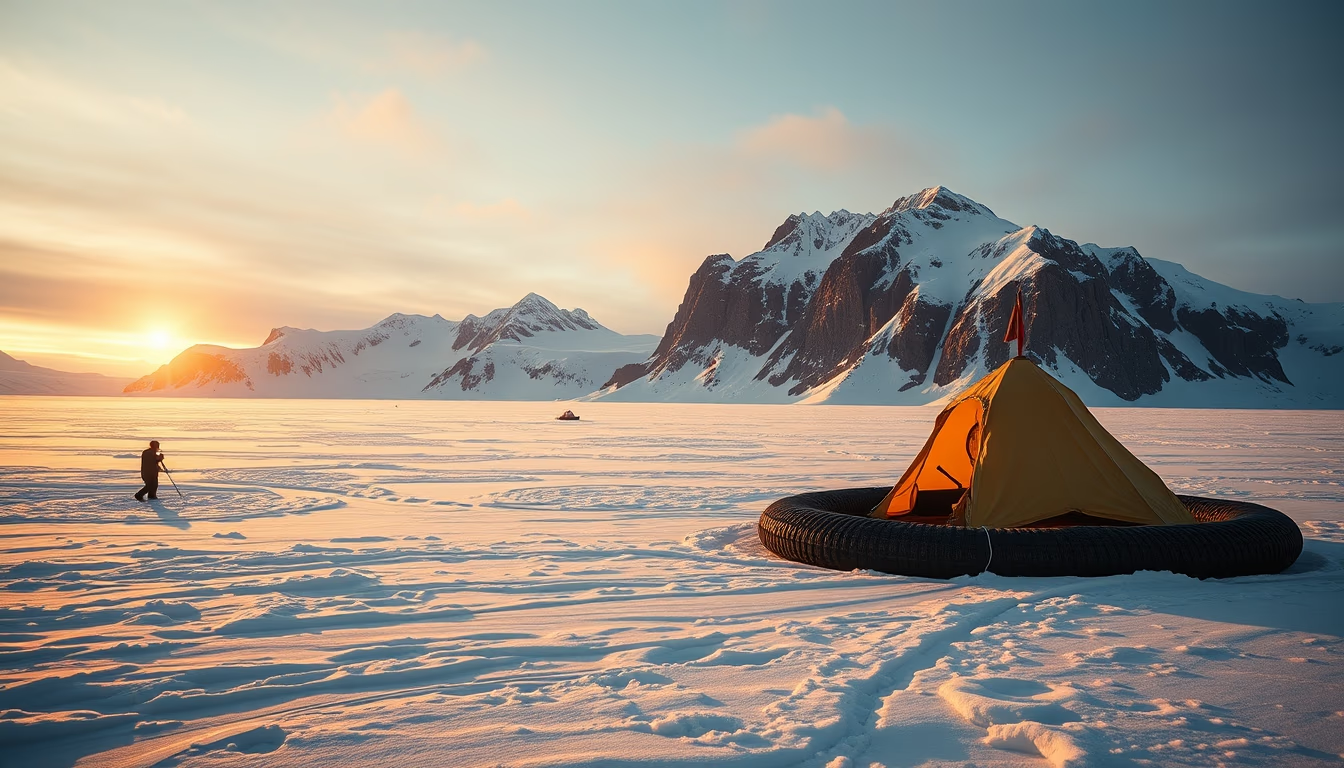
Discovered in 1985 by British scientists from the British Antarctic Survey, the Antarctic ozone hole results from emissions of chlorofluorocarbons (CFCs), substances used in refrigerants, aerosols, and foams. Every austral spring (September to November), ozone destruction intensifies due to extremely low temperatures in the polar stratosphere, which form polar stratospheric clouds. These clouds catalyze chemical reactions that release chlorine and bromine, destroying ozone molecules.
The Montreal Protocol, signed in 1987, banned the production of CFCs and other ozone-depleting substances. Since then, ozone concentrations in the atmosphere have been slowly recovering. Studies indicate that the hole began to shrink around 2000, but full recovery is expected only between 2060 and 2070, depending on emission trends and climatic conditions.
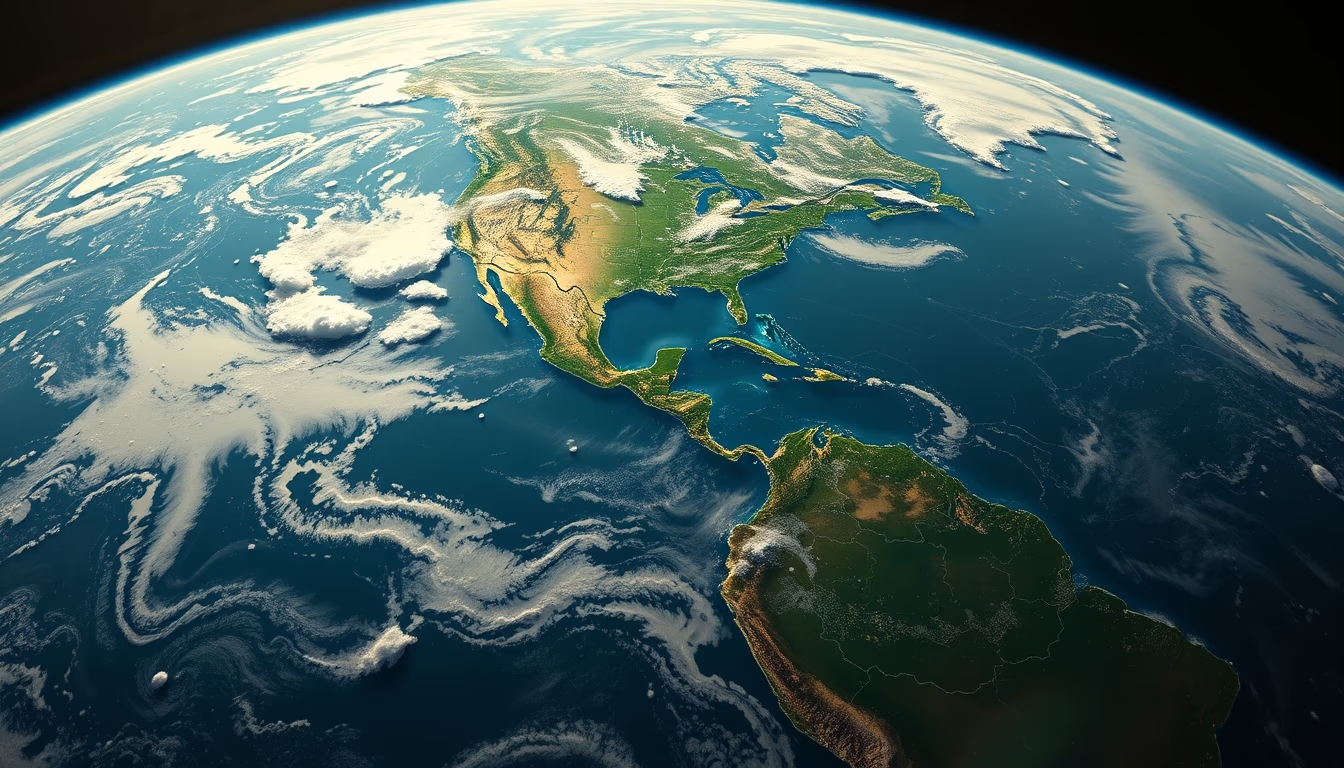
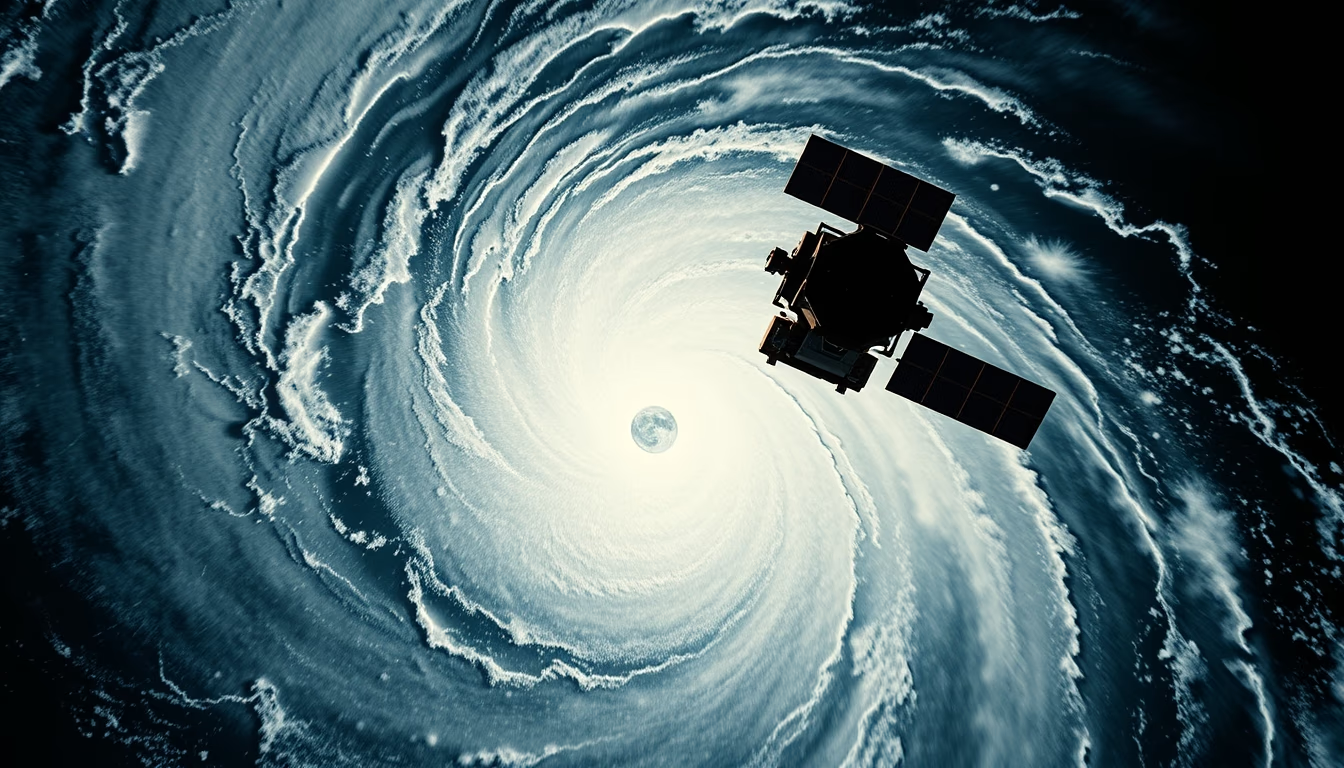
Continuous monitoring by NASA and ESA satellites, such as the OMI instrument aboard the Aura satellite, allows measurement of ozone extent and thickness. In 2023, the hole reached approximately 26 million km², one of the largest on record, influenced by volcanic eruptions and climate variability. Despite this, the long-term trend shows recovery.
Besides Antarctica, minor ozone reductions have been observed in the Arctic, but never on the same scale. The Antarctic ozone hole serves as a key indicator of the effectiveness of global environmental policies and the interaction between atmospheric chemistry and climate change.
Frequently Asked Questions
What causes the ozone hole over Antarctica?
The hole is caused by substances like chlorofluorocarbons (CFCs), which release chlorine and bromine in the stratosphere. During the Antarctic spring, chemical reactions on polar stratospheric clouds destroy ozone.
How long will it take for the ozone hole to fully recover?
Full recovery is expected between 2060 and 2070, thanks to the Montreal Protocol. The hole has been shrinking since 2000, but climate variability can cause fluctuations.
How do scientists monitor the ozone hole?
Satellites like NASA's Aura and instruments such as OMI measure ozone concentration globally. Data are also collected by balloons and ground stations in Antarctica.
Direct URL
https://pub-c7d6a6ea828543ac903a74a341ccb2e1.r2.dev/imagens/antarctic-ozone-hole-film-grain-authentic-fresh8.avifHow to credit
Include a visible link back to UtilizAí. Copy one of the snippets below:
<a href="https://xn--utiliza-eza.com/en/midia/imagens/antarctic-ozone-hole-film-grain-authentic-fresh8">Antarctic ozone hole</a> by <a href="https://xn--utiliza-eza.com">UtilizAí</a>, licensed under <a href="https://creativecommons.org/licenses/by/4.0/">CC BY 4.0</a>.
[Antarctic ozone hole](https://xn--utiliza-eza.com/en/midia/imagens/antarctic-ozone-hole-film-grain-authentic-fresh8) by [UtilizAí](https://xn--utiliza-eza.com), CC BY 4.0
License: CC-BY-4.0