Antarctic ozone hole
1344×768 · AVIF · CC BY 4.0

O buraco na camada de ozônio sobre a Antártida é um fenômeno sazonal que preocupa cientistas desde sua descoberta em 1985.
Sobre o tema
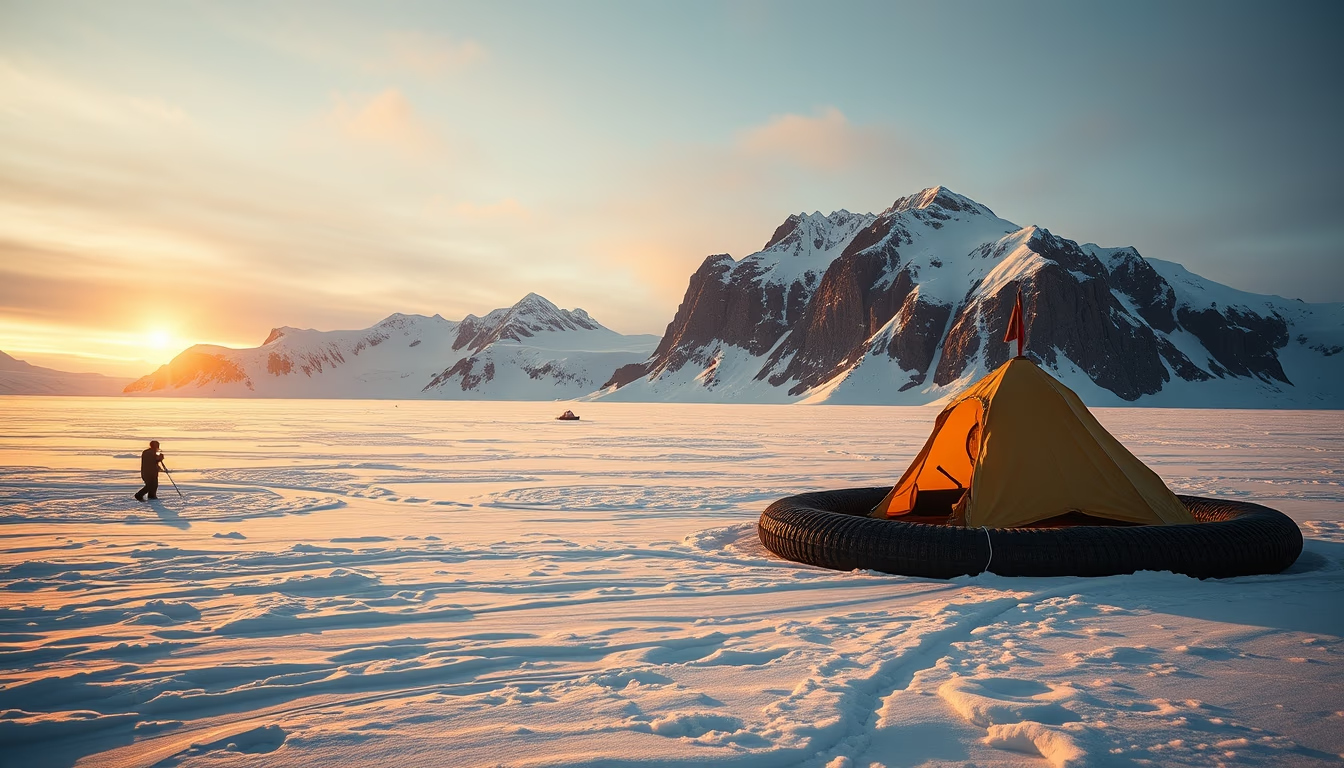
O buraco na camada de ozônio sobre a Antártida é uma redução significativa da concentração de ozônio na estratosfera, observada principalmente durante a primavera austral (setembro a novembro). Esse fenômeno foi identificado pela primeira vez em 1985 por cientistas do British Antarctic Survey, que notaram uma queda drástica nos níveis de ozônio acima da estação Halley. Desde então, tornou-se um dos maiores desafios ambientais globais. O ozônio estratosférico é essencial porque absorve a maior parte da radiação ultravioleta B do Sol, protegendo a vida na Terra.
A formação do buraco está ligada a reações químicas que ocorrem em nuvens estratosféricas polares, que se formam em temperaturas extremamente baixas (abaixo de -80°C). Nessas nuvens, substâncias como cloro e bromo, provenientes de compostos como os CFCs (clorofluorcarbonetos), são liberadas e catalisam a destruição das moléculas de ozônio. A descoberta desse mecanismo levou à assinatura do Protocolo de Montreal em 1987, um tratado internacional que baniu a produção de CFCs e outras substâncias destruidoras da camada de ozônio.
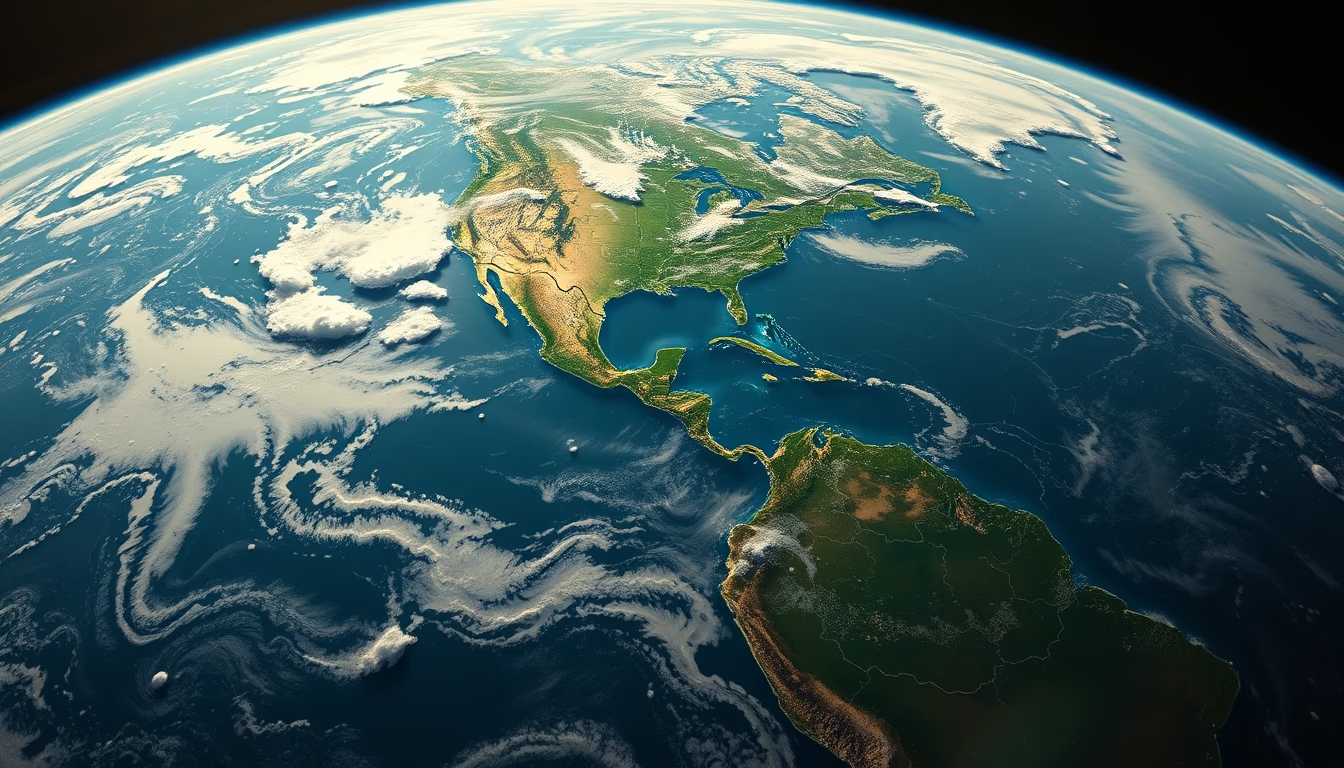
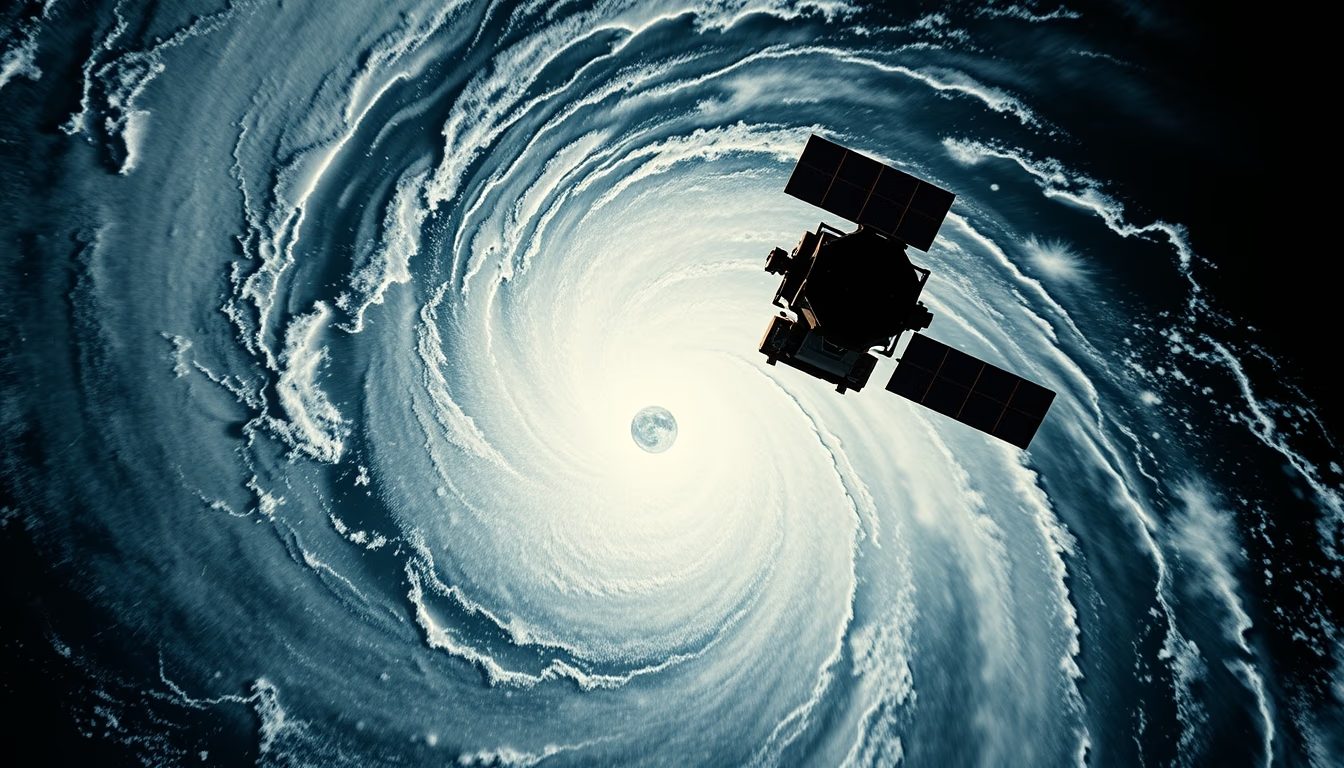
Graças ao Protocolo de Montreal, considerado um dos acordos ambientais mais bem-sucedidos, a concentração de ozônio tem se recuperado lentamente. Estimativas da NASA e da NOAA indicam que o buraco na camada de ozônio pode fechar completamente por volta de 2066. No entanto, a variabilidade climática e eventos como erupções vulcânicas podem influenciar essa recuperação. Em 2023, o buraco alcançou um tamanho máximo de aproximadamente 26 milhões de quilômetros quadrados, uma área maior que a da América do Norte. A monitorização contínua por satélites e estações terrestres é crucial para acompanhar a evolução desse fenômeno e garantir a eficácia das políticas de proteção ambiental.
Perguntas frequentes
O que causa o buraco na camada de ozônio sobre a Antártida?
O buraco é causado por reações químicas envolvendo cloro e bromo provenientes de CFCs e outras substâncias destruidoras de ozônio. Essas reações ocorrem em nuvens estratosféricas polares durante o inverno antártico, quando há temperaturas extremamente baixas e luz solar limitada.
O buraco na camada de ozônio está diminuindo?
Sim, desde a implementação do Protocolo de Montreal, a concentração de ozônio tem se recuperado lentamente. Estudos indicam que o buraco pode se fechar completamente por volta de 2066, mas a recuperação não é linear e pode ser afetada por mudanças climáticas.
Qual é a importância do ozônio estratosférico?
O ozônio na estratosfera absorve a maior parte da radiação ultravioleta B (UV-B) do Sol, que pode causar câncer de pele, catarata e danos aos ecossistemas. Sem essa proteção, a vida na Terra seria severamente afetada.
URL direta
https://pub-c7d6a6ea828543ac903a74a341ccb2e1.r2.dev/imagens/antarctic-ozone-hole-documentary-photography-fresh16.avifComo creditar
Inclua um link visível de volta pro UtilizAí. Copie um dos snippets abaixo:
<a href="https://xn--utiliza-eza.com/midia/imagens/antarctic-ozone-hole-documentary-photography-fresh16">Antarctic ozone hole</a> by <a href="https://xn--utiliza-eza.com">UtilizAí</a>, licensed under <a href="https://creativecommons.org/licenses/by/4.0/">CC BY 4.0</a>.
[Antarctic ozone hole](https://xn--utiliza-eza.com/midia/imagens/antarctic-ozone-hole-documentary-photography-fresh16) by [UtilizAí](https://xn--utiliza-eza.com), CC BY 4.0
Licença: CC-BY-4.0