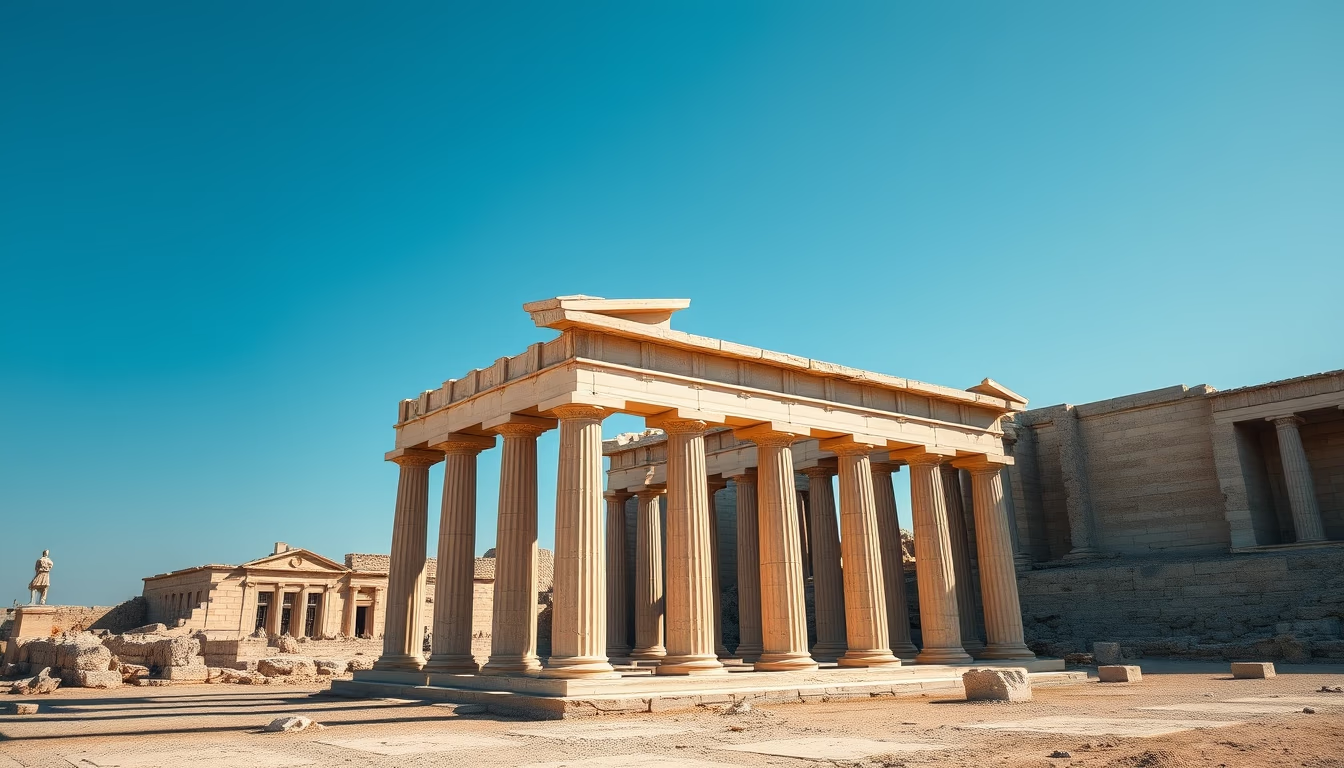
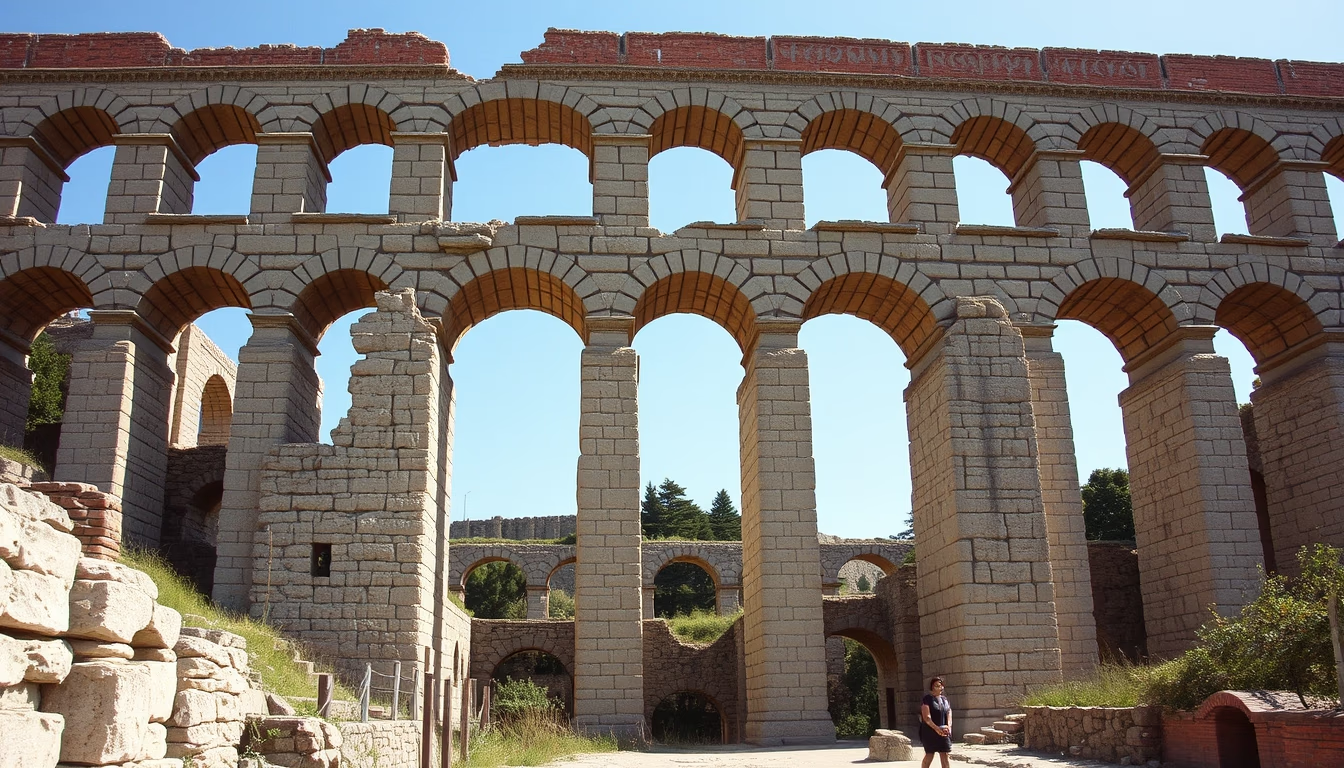
Amphitheater greek
1344×768 · AVIF · CC BY 4.0
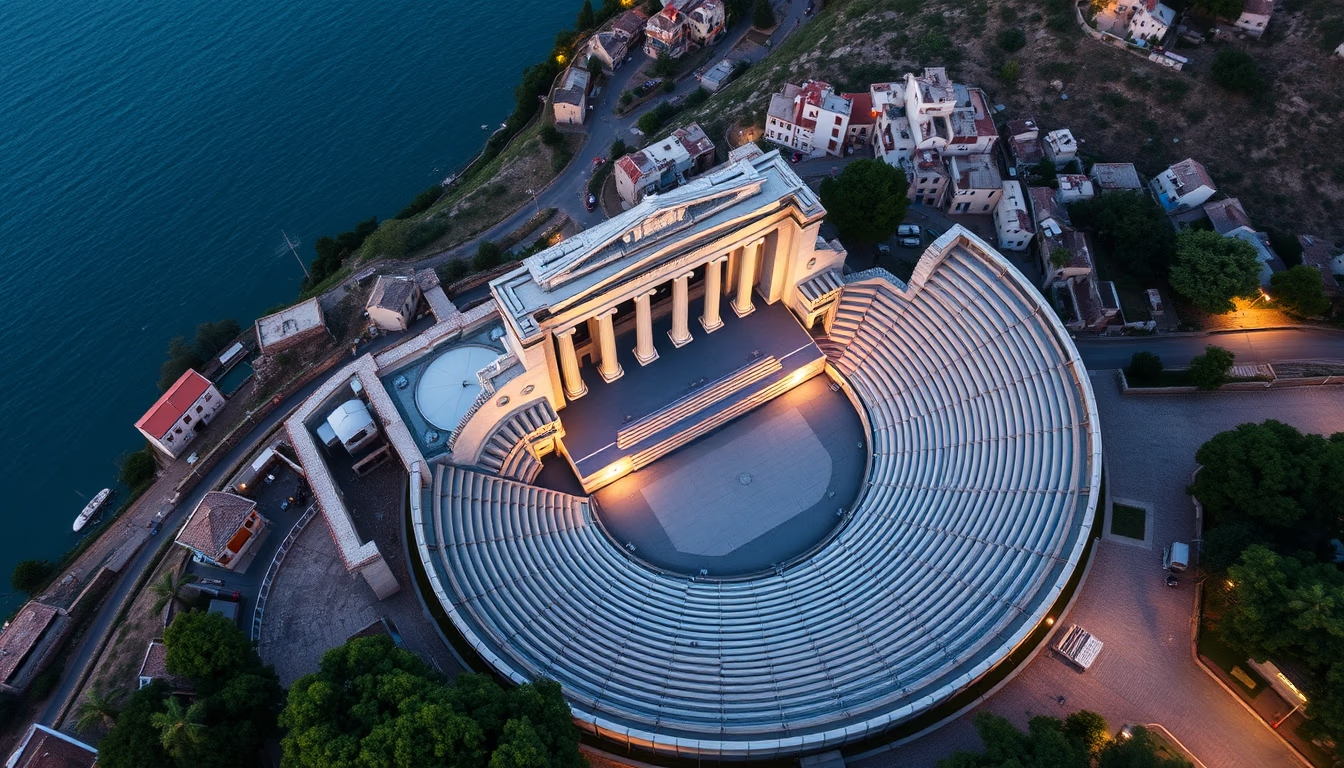
Anfiteatros gregos são estruturas ao ar livre utilizadas para apresentações teatrais e eventos públicos, com exemplos notáveis como o Teatro de Epidauro.
Sobre o tema
Os anfiteatros gregos, também conhecidos como teatros gregos, são estruturas semicirculares ao ar livre construídas nas encostas de colinas para aproveitar a acústica natural. Originados na Grécia Antiga por volta do século V a.C., esses espaços eram dedicados a apresentações teatrais, competições musicais e assembleias cívicas. O teatro de Dionísio em Atenas é considerado o primeiro, mas o mais preservado é o Teatro de Epidauro, datado do século IV a.C., com capacidade para cerca de 14.000 espectadores.
A arquitetura típica inclui uma orquestra circular (onde o coro se apresentava), uma skene (palco) e a cavea (arquibancada em semicírculo). As fileiras de assentos eram construídas em pedra calcária, e a inclinação dos degraus garantia que todos os espectadores tivessem boa visibilidade. A acústica é tão precisa que um sussurro no palco pode ser ouvido na última fileira. Esses teatros eram dedicados ao deus Dionísio e faziam parte de festivais religiosos, como as Dionísias.
Atualmente, muitos anfiteatros gregos ainda são usados para apresentações, como o Teatro de Herodes Ático, em Atenas, reformado no século II d.C. Eles representam um legado arquitetônico e cultural que influenciou teatros romanos e modernos. A UNESCO classifica vários como Patrimônio Mundial, destacando sua importância histórica e técnica.
Perguntas frequentes
Quantas pessoas cabiam em um anfiteatro grego típico?
A capacidade variava, mas o Teatro de Epidauro comportava cerca de 14.000 espectadores. Teatros menores, como o de Dionísio, tinham capacidade para 5.000 a 17.000 pessoas.
Por que os anfiteatros gregos eram construídos em encostas?
A construção em encostas aproveitava a topografia natural para criar uma arquibancada inclinada, melhorando a visibilidade e a acústica. Isso também reduzia a necessidade de grandes estruturas de suporte.
Qual era a principal função dos anfiteatros na Grécia Antiga?
Eram usados para apresentações teatrais durante festivais religiosos em honra a Dionísio, além de eventos cívicos, competições musicais e assembleias.
URL direta
https://pub-c7d6a6ea828543ac903a74a341ccb2e1.r2.dev/imagens/amphitheater-greek-aerial-drone-shot-p5.avifComo creditar
Inclua um link visível de volta pro UtilizAí. Copie um dos snippets abaixo:
<a href="https://xn--utiliza-eza.com/midia/imagens/amphitheater-greek-aerial-drone-shot-p5">Amphitheater greek</a> by <a href="https://xn--utiliza-eza.com">UtilizAí</a>, licensed under <a href="https://creativecommons.org/licenses/by/4.0/">CC BY 4.0</a>.
[Amphitheater greek](https://xn--utiliza-eza.com/midia/imagens/amphitheater-greek-aerial-drone-shot-p5) by [UtilizAí](https://xn--utiliza-eza.com), CC BY 4.0
Licença: CC-BY-4.0