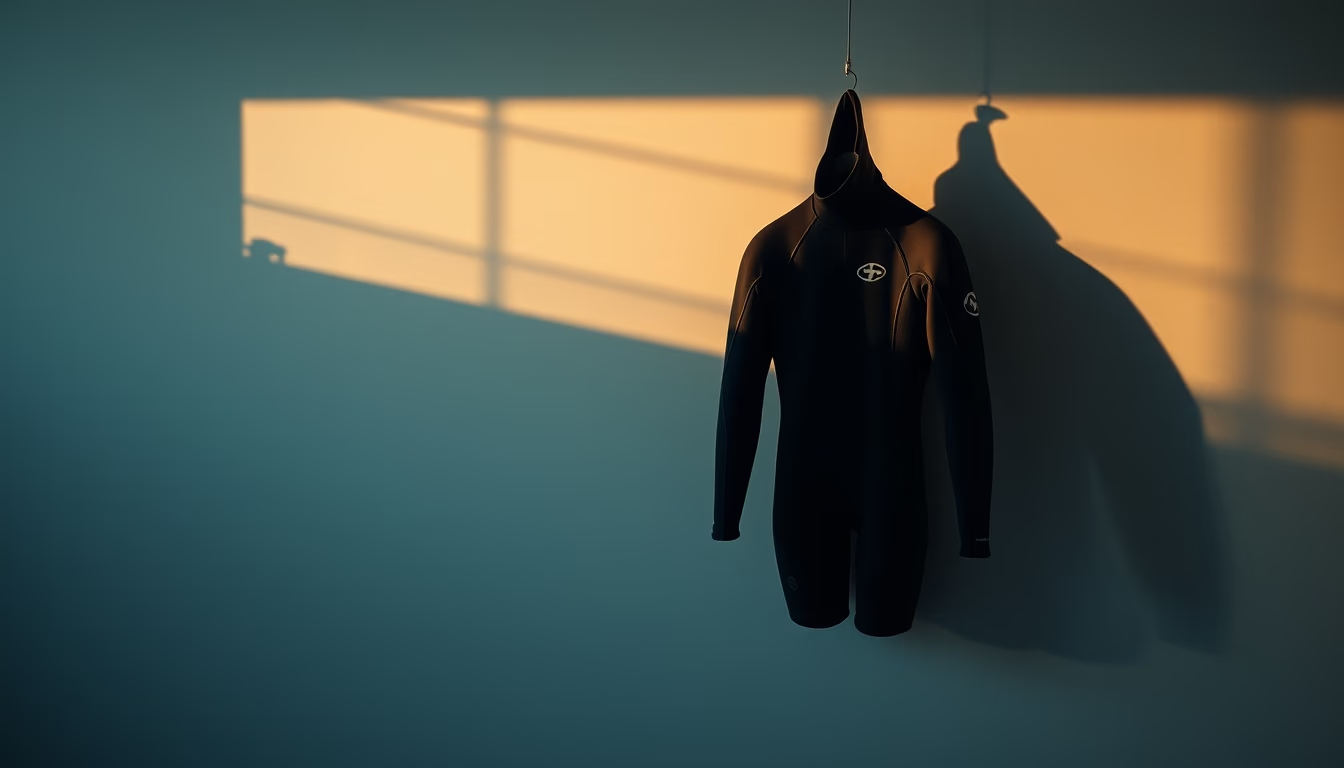
Wetsuit hanging black
1344×768 · AVIF · CC BY 4.0
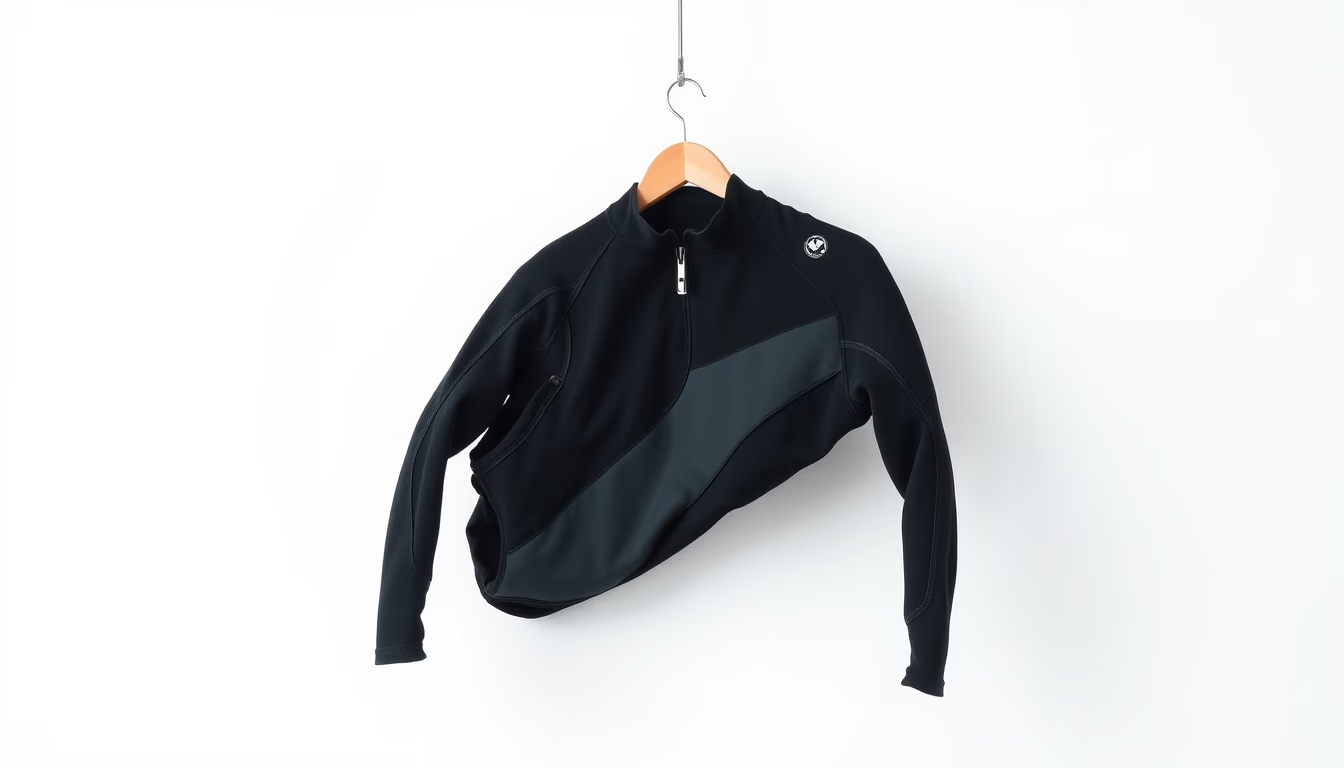
Black neoprene wetsuit essential for diving, thermal insulation and buoyancy. Learn about types, thicknesses and care for wetsuits.
About this subject
A wetsuit is a technical garment designed for aquatic activities such as diving, surfing, and triathlon. Its primary function is to provide thermal insulation to the body in contact with water, preventing heat loss. The most common material is neoprene, a synthetic rubber containing nitrogen bubbles that trap a thin layer of water between the skin and the suit. This water is heated by body heat, creating an insulating barrier.
Different neoprene thicknesses range from 1 to 7 millimeters, selected according to water temperature. For tropical waters above 24°C, a 1 to 2 mm wetsuit is used; for cold waters below 10°C, suits of 6 to 7 mm are necessary. Besides thickness, designs vary from full-body suits to shorty styles with short sleeves and legs. Wetsuits also feature back or chest zippers for easier donning and reduced water entry.
Black wetsuits are among the most common on the market because black absorbs more solar radiation, helping to warm the wearer when out of the water. However, color also affects underwater visibility: dark tones blend in, while bright colors are preferred for safety. The invention of the wetsuit is credited to physicist Hugh Bradner in 1952 in the United States, initially for military use. Since then, it has evolved with glued and sealed seams, flexible panels, and inner linings that enhance comfort and durability.
To extend the lifespan of a wetsuit, it is essential to rinse it with fresh water after each use, dry it in the shade, and avoid excessive sun exposure and heat. Never use a washing machine or dryer, as heat damages neoprene. Storing in a ventilated area away from sharp objects also preserves the material's integrity. Simple care ensures the suit maintains its elasticity and thermal properties for several seasons.
Frequently Asked Questions
What is the ideal thickness for diving in tropical waters?
For tropical waters above 24°C, the ideal thickness is 1 to 2 mm. This wetsuit provides light thermal protection, freedom of movement, and quick drying.
How to properly clean and dry a black wetsuit?
Rinse the wetsuit with fresh water after each use to remove salt, chlorine, and sand. Dry in the shade in a ventilated area, never in direct sunlight or in a dryer. Avoid wringing the fabric.
Why are wetsuits often black?
Black color absorbs more solar radiation, helping to warm the wearer when out of the water. Also, black is a versatile and durable color that hides stains and wear.
Direct URL
https://pub-c7d6a6ea828543ac903a74a341ccb2e1.r2.dev/imagens/wetsuit-hanging-black-commercial-product-photography-fresh7.avifHow to credit
Include a visible link back to UtilizAí. Copy one of the snippets below:
<a href="https://xn--utiliza-eza.com/en/midia/imagens/wetsuit-hanging-black-commercial-product-photography-fresh7">Wetsuit hanging black</a> by <a href="https://xn--utiliza-eza.com">UtilizAí</a>, licensed under <a href="https://creativecommons.org/licenses/by/4.0/">CC BY 4.0</a>.
[Wetsuit hanging black](https://xn--utiliza-eza.com/en/midia/imagens/wetsuit-hanging-black-commercial-product-photography-fresh7) by [UtilizAí](https://xn--utiliza-eza.com), CC BY 4.0
License: CC-BY-4.0