Wagashi sweets seasonal
1344×768 · AVIF · CC BY 4.0
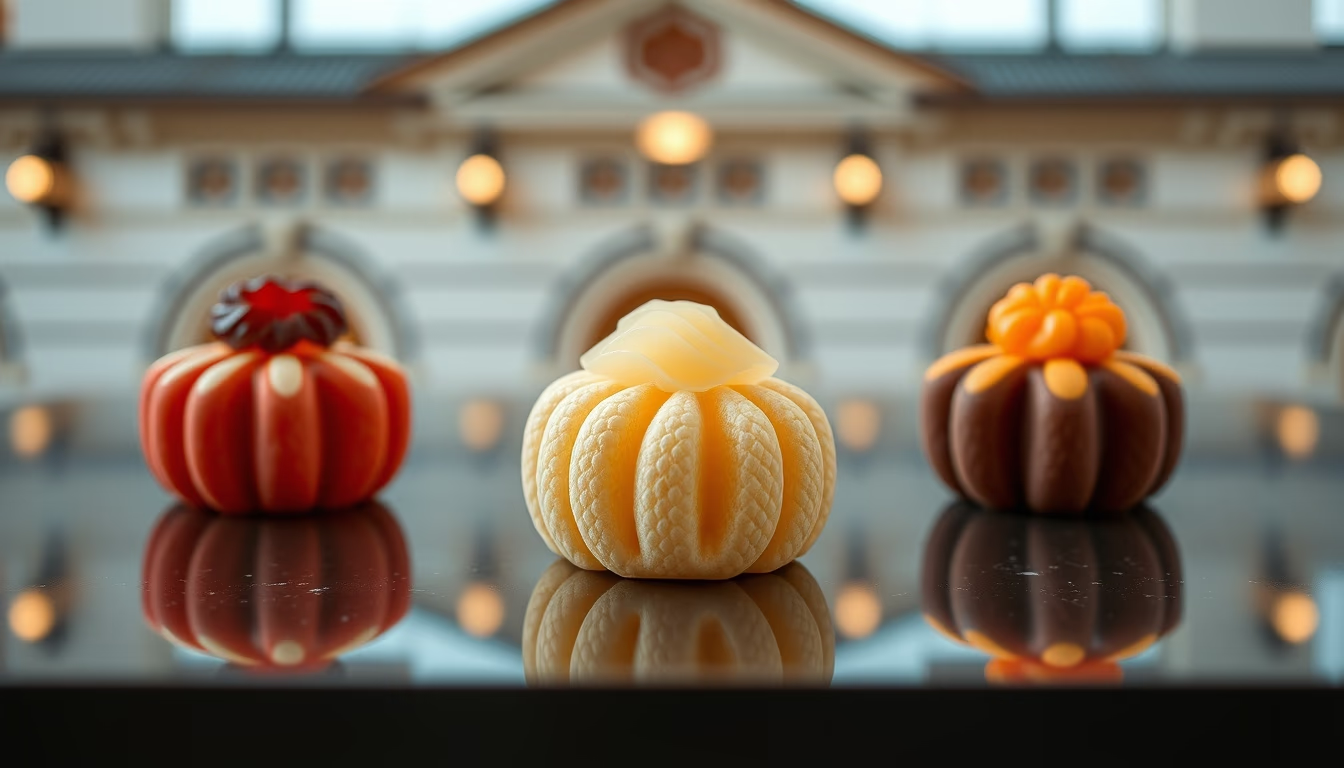
Wagashi are traditional Japanese confections served with green tea, changing with the seasons and reflecting nature in their shapes and flavors.
About this subject
Wagashi are traditional Japanese confections that originated during the Edo period, when the tea ceremony became popular among the upper classes. They are made from ingredients such as azuki bean paste (anko), glutinous rice (mochi), and agar-agar (kanten), resulting in delicate textures. Each season inspires specific shapes and colors: sakura in spring, flowing water in summer, maple leaves in autumn, and snow or pine in winter. The craft of making wagashi is considered an art, with masters spending years learning to mold each piece by hand.
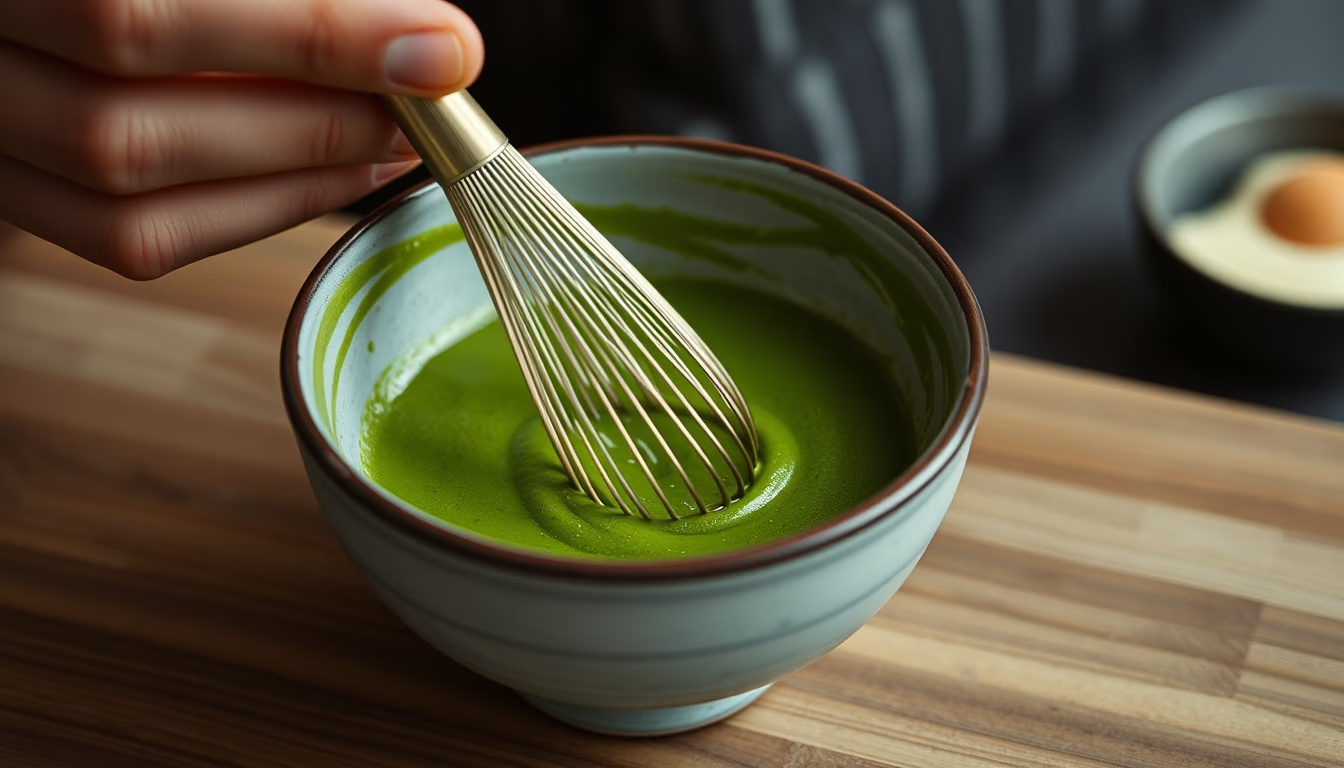
Beyond taste, aesthetics are paramount. Wagashi are served before matcha to balance the bitterness of the tea and prepare the palate. There are two main types: namagashi (fresh, with high moisture) and higashi (dry, made from rice flour and sugar). The use of natural colors and carved wooden molds (kigata) is characteristic. During the tea ceremony, the choice of wagashi follows the seasonal theme, reinforcing the connection to nature and the ephemeral nature of life.
Interestingly, the term wagashi emerged during the Meiji period to distinguish Japanese sweets from Western ones (yōgashi). Today, these delicacies are enjoyed not only in Japan but globally, found in specialty stores and festivals. Many wagashi contain little to no fat, making them a healthier alternative to cakes and pastries. The molding technique requires precision: every fold and cut has symbolic meaning, such as representing flowers, fruits, or animals. For tea enthusiasts, wagashi provide a multisensory experience that combines taste, sight, and the present moment.
Frequently Asked Questions
What is the difference between namagashi and higashi?
Namagashi are fresh wagashi with high moisture content, made with bean paste and fruits. Higashi are dry sweets made from rice flour and sugar, which have a longer shelf life.
Are wagashi vegan?
Many traditional wagashi are vegan, using only plant-based ingredients like azuki beans, rice, and agar-agar. However, some may contain eggs or dairy, so it's important to check the ingredients.
How are wagashi related to the seasons?
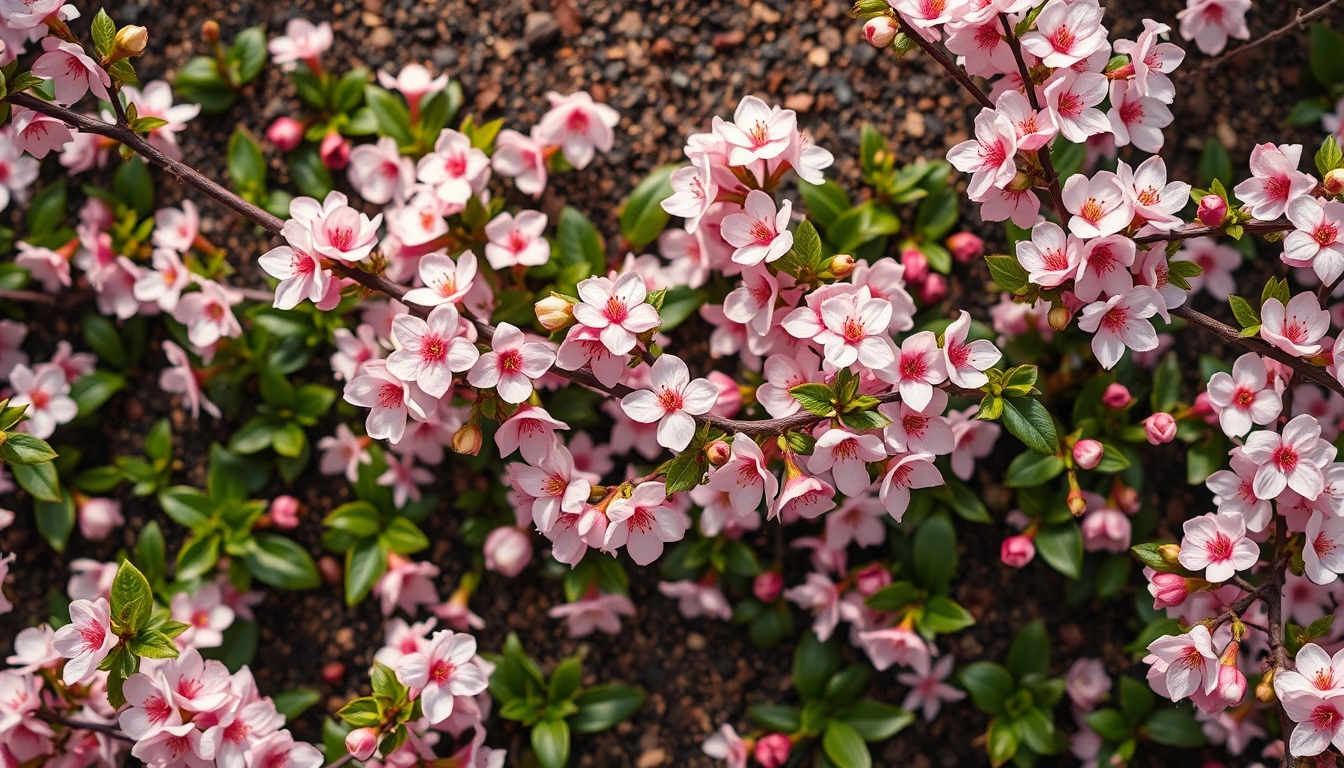
Wagashi reflect the seasons through shapes, colors, and seasonal ingredients. For example, in spring they are shaped like cherry blossoms, and in autumn like maple leaves, celebrating the ephemeral nature of the seasons.
Direct URL
https://pub-c7d6a6ea828543ac903a74a341ccb2e1.r2.dev/imagens/wagashi-sweets-seasonal-architectural-photography-fresh14.avifHow to credit
Include a visible link back to UtilizAí. Copy one of the snippets below:
<a href="https://xn--utiliza-eza.com/en/midia/imagens/wagashi-sweets-seasonal-architectural-photography-fresh14">Wagashi sweets seasonal</a> by <a href="https://xn--utiliza-eza.com">UtilizAí</a>, licensed under <a href="https://creativecommons.org/licenses/by/4.0/">CC BY 4.0</a>.
[Wagashi sweets seasonal](https://xn--utiliza-eza.com/en/midia/imagens/wagashi-sweets-seasonal-architectural-photography-fresh14) by [UtilizAí](https://xn--utiliza-eza.com), CC BY 4.0
License: CC-BY-4.0