Vinyl record on turntable closeup
1344×768 · AVIF · CC BY 4.0
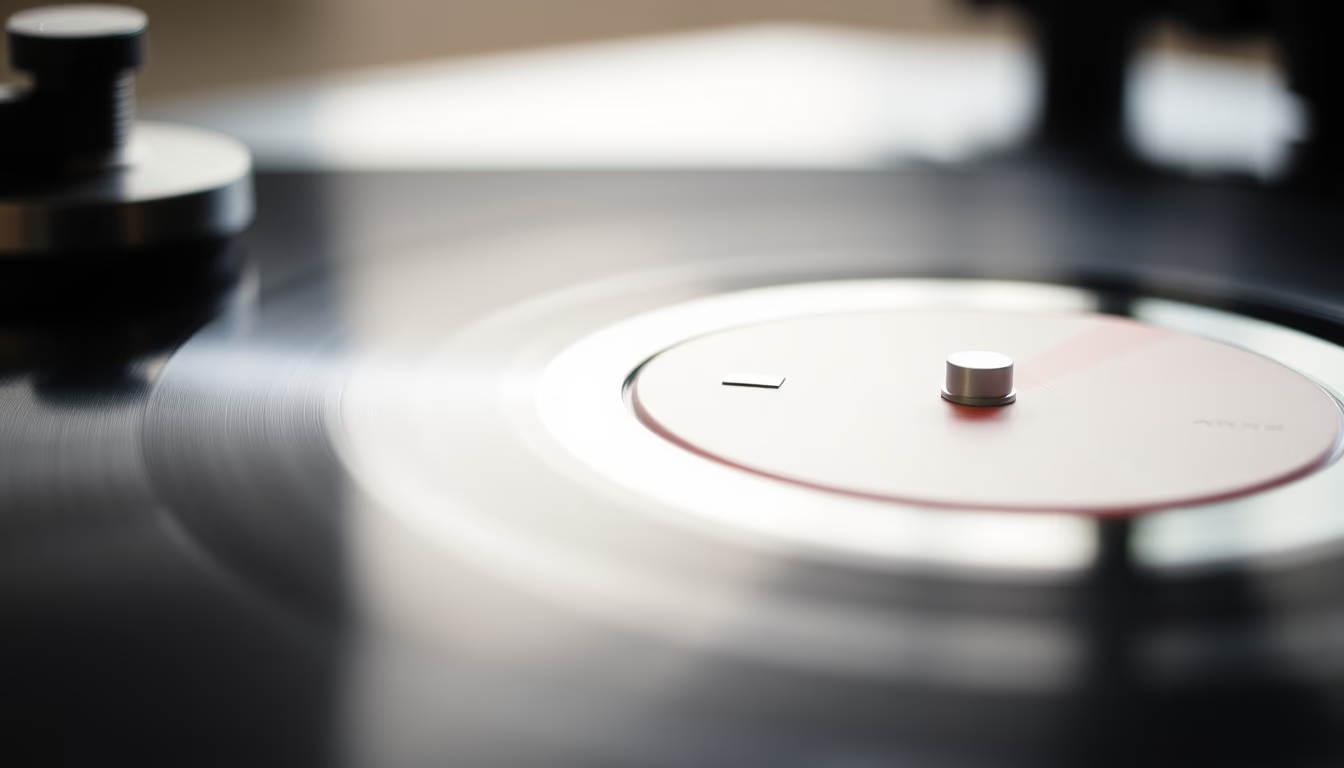
A close-up of a vinyl record on a turntable reveals the delicate grooves and the stylus converting vibrations into analog sound.
About this subject
Vinyl is an analog audio medium that revolutionized the music industry. Vinyl records, made from polyvinyl chloride, store sound in spiral grooves. A turntable uses a stylus that travels these grooves, generating mechanical vibrations converted into an electrical signal and then into sound. This analog process captures nuances that many audiophiles consider superior to digital.
The popularity of vinyl peaked between the 1950s and 1980s, but with the advent of CDs in the 1980s, it declined. However, from the 2000s onward, vinyl experienced a significant revival. In 2022, vinyl sales surpassed CD sales for the first time since 1987, according to the Recording Industry Association of America. This resurgence is driven by music lovers seeking a tactile and unique sonic experience.
Technically, a standard 12-inch vinyl record rotates at 33 1/3 revolutions per minute (RPM) for albums, while singles typically use 45 RPM. The V-shaped grooves modulate sound amplitude and frequency. The stylus, usually diamond or sapphire, must be replaced periodically to avoid record wear. Modern turntables include balanced tonearms and vibration isolation systems to minimize unwanted noise.
Culturally, vinyl is more than a format; it is a collector's item, album covers considered art, and listening a ritual. Many DJs still prefer vinyl for mixing due to tactile control. The "warm" sound of vinyl, with its natural dynamic compression and surface noise, is part of its charm. The macro close-up of the groove evokes precision and nostalgia, representing the union of technology and music.
Frequently Asked Questions
Why did vinyl make a comeback?
Vinyl resurges due to a desire for an analog listening experience, warmer dynamic sound, aesthetic album covers, and the ritual of playing a full album.
What is the difference between 33 and 45 RPM?
33 1/3 RPM is standard for LPs, offering longer playtime per side (about 22 minutes). 45 RPM is for singles, providing better sound quality with wider grooves.
How to care for vinyl records?
Keep records in protective sleeves, handle by edges, clean with anti-static brush, store vertically. Avoid sun exposure and extreme temperatures.
Direct URL
https://pub-c7d6a6ea828543ac903a74a341ccb2e1.r2.dev/imagens/vinyl-record-on-turntable-closeup-macro-closeup-p4.avifHow to credit
Include a visible link back to UtilizAí. Copy one of the snippets below:
<a href="https://xn--utiliza-eza.com/en/midia/imagens/vinyl-record-on-turntable-closeup-macro-closeup-p4">Vinyl record on turntable closeup</a> by <a href="https://xn--utiliza-eza.com">UtilizAí</a>, licensed under <a href="https://creativecommons.org/licenses/by/4.0/">CC BY 4.0</a>.
[Vinyl record on turntable closeup](https://xn--utiliza-eza.com/en/midia/imagens/vinyl-record-on-turntable-closeup-macro-closeup-p4) by [UtilizAí](https://xn--utiliza-eza.com), CC BY 4.0
License: CC-BY-4.0