Tuscany chianti hills
1344×768 · AVIF · CC BY 4.0
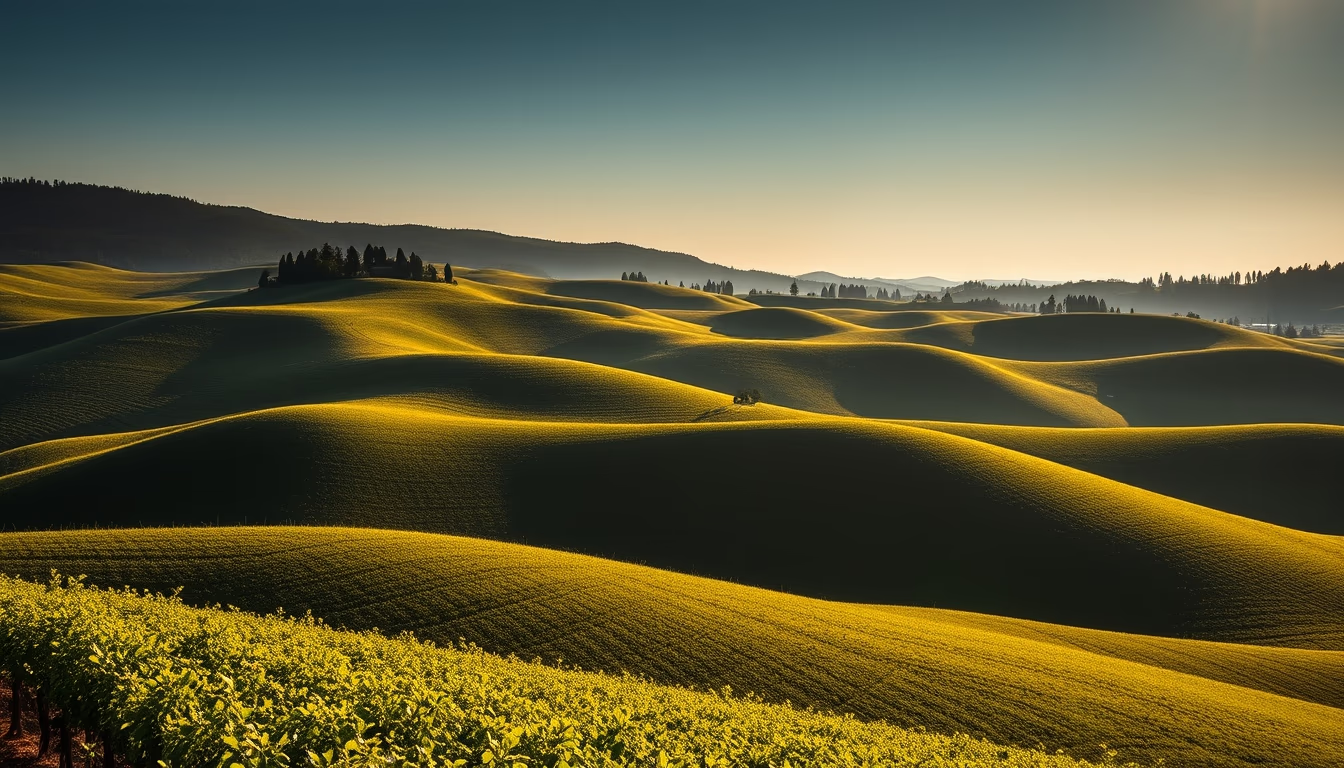
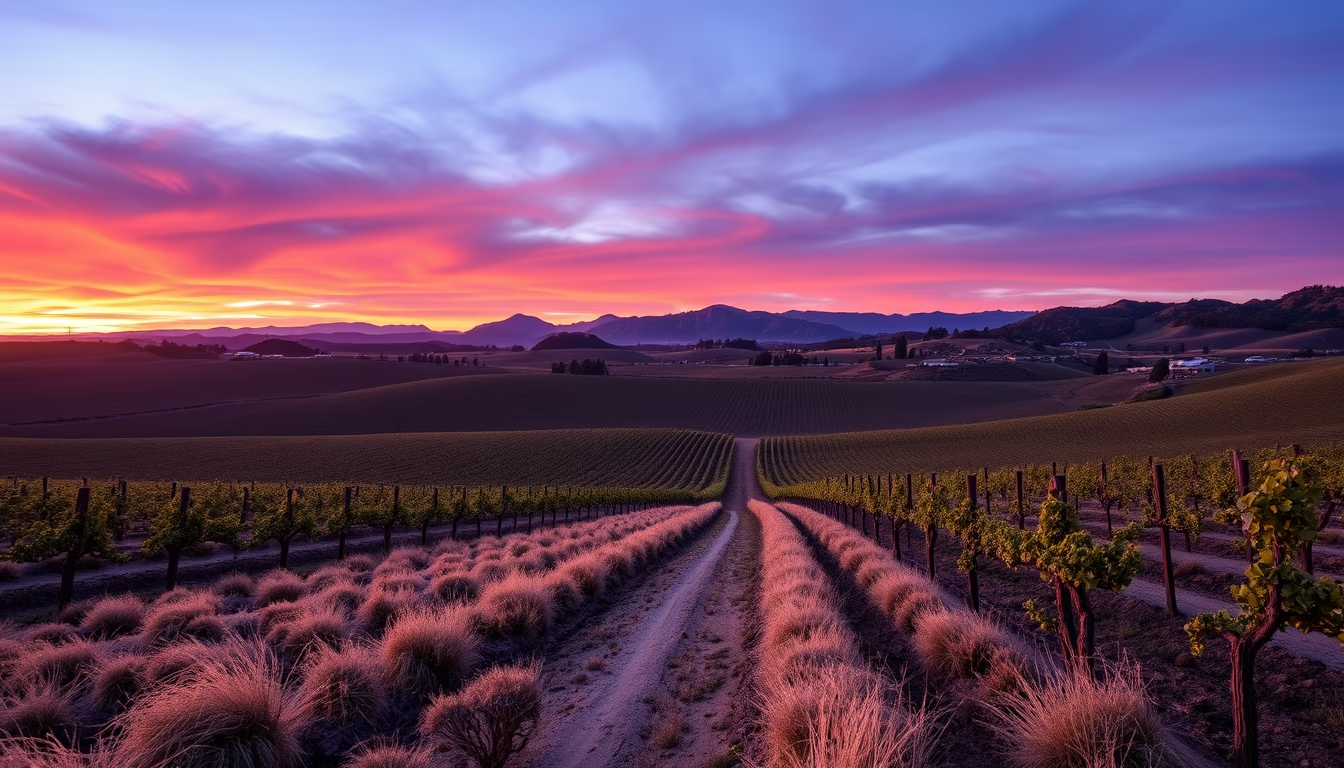
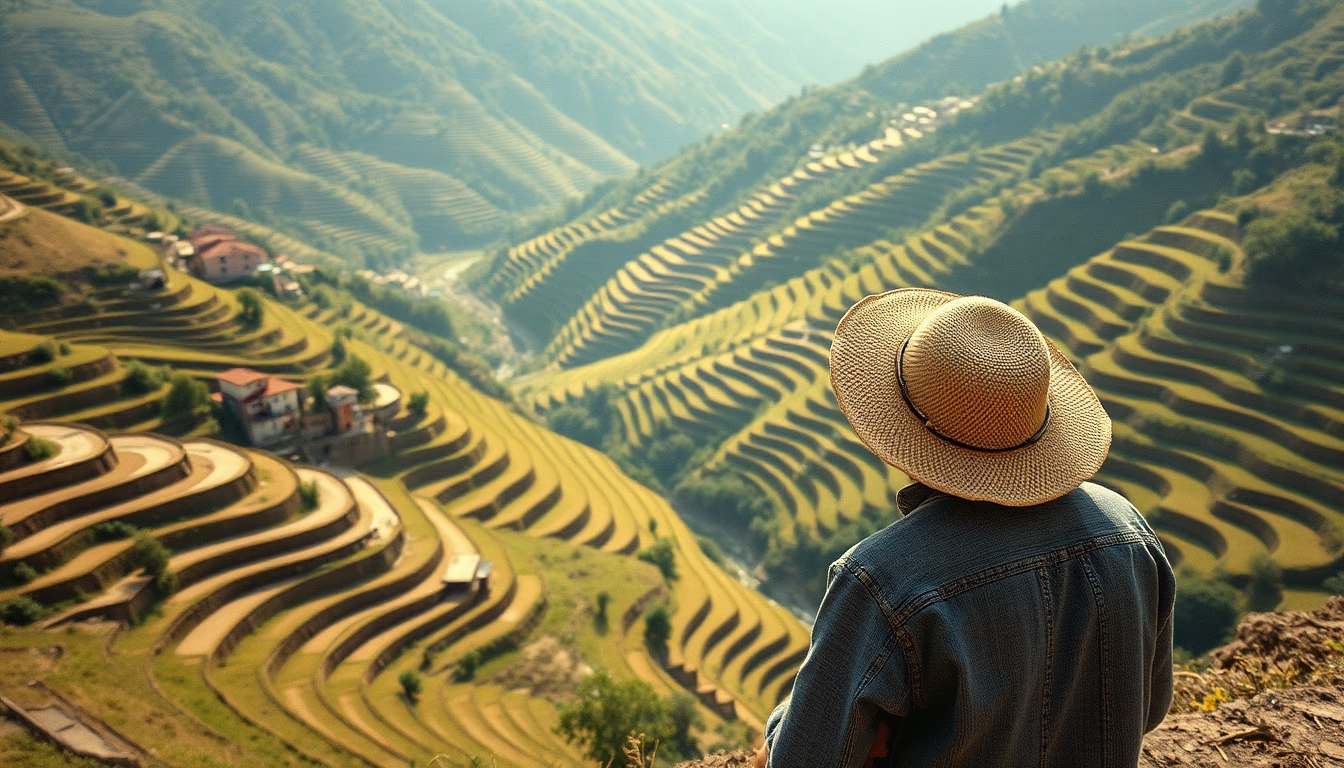
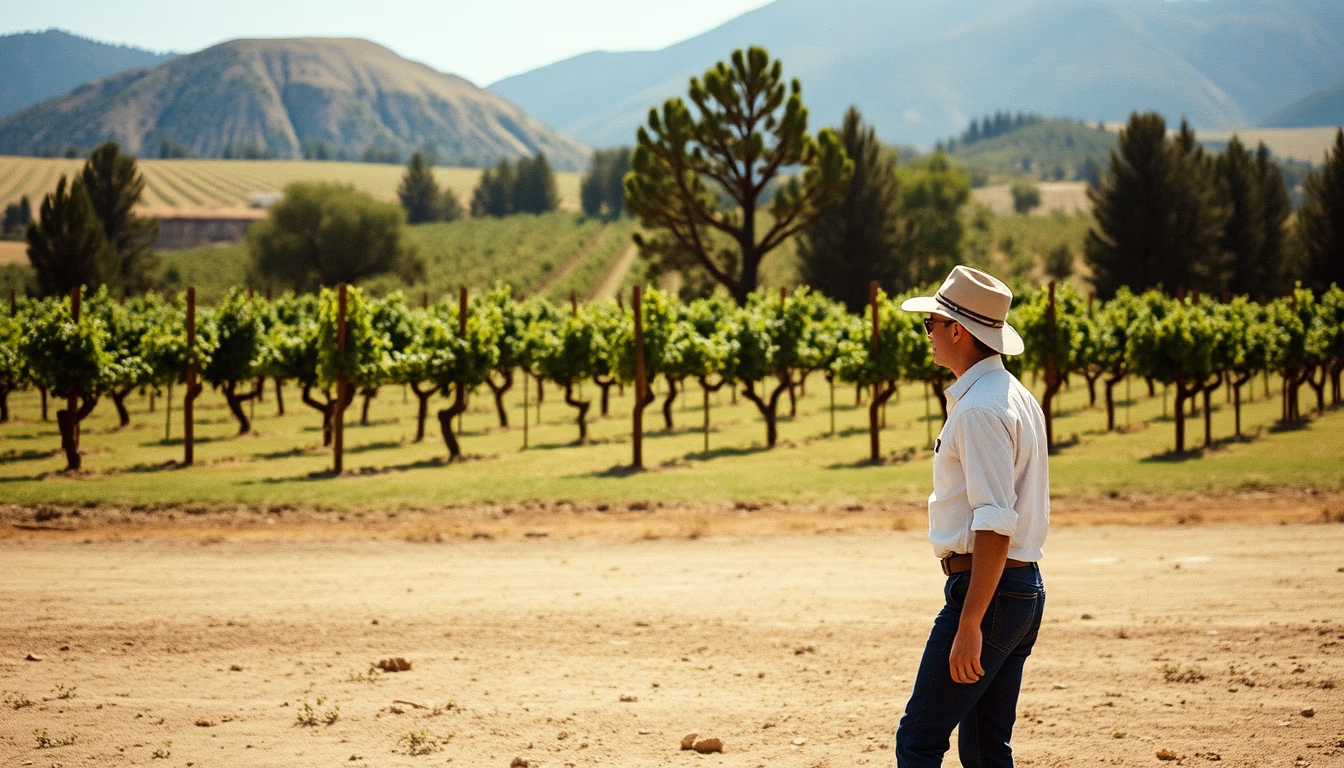
As colinas de Chianti, na Toscana, são o coração de uma das regiões vinícolas mais famosas do mundo, conhecidas por seus vinhedos, olivais e paisagens onduladas.
Sobre o tema
A região de Chianti se estende entre as cidades de Florença e Siena, na Toscana, Itália. Delimitada oficialmente desde 1716 pelo grão-duque Cosimo III de Médici, é uma das áreas vinícolas mais antigas e regulamentadas do mundo. O território é dividido em várias subzonas, sendo a Chianti Classico a mais emblemática, com seu símbolo do galo preto.
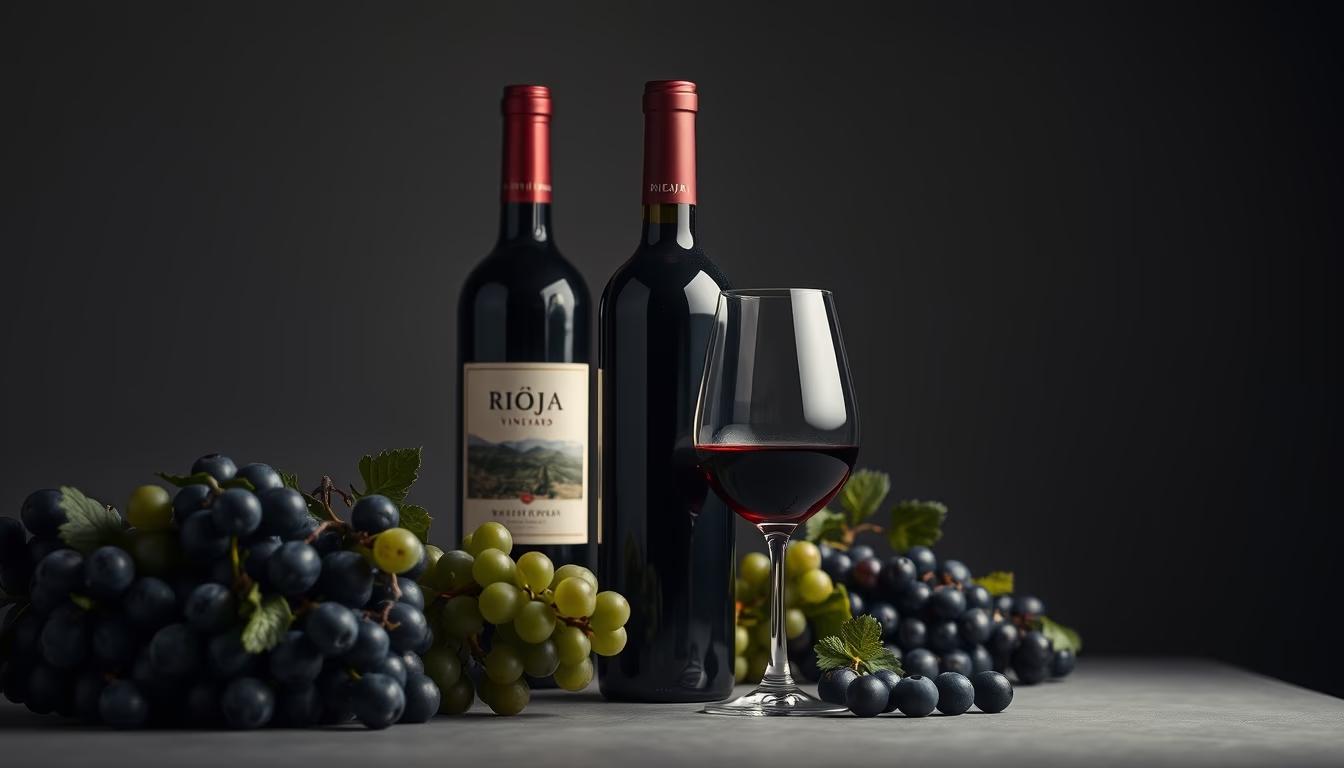
O vinho Chianti é produzido principalmente com a uva Sangiovese, que confere notas de cereja, ameixa e um toque terroso. As versões Riserva e Gran Seleção passam por envelhecimento prolongado em barris de carvalho. O terroir é marcado por solos de galestro e alberese, além da altitude que varia de 200 a 600 metros, proporcionando frescor e acidez.
Além do vinho, a paisagem de Chianti é um ícone cultural. Vilarejos medievais como Greve, Radda e Castellina preservam igrejas, castelos e praças. A região também produz azeite de oliva extravirgem DOP e queijos pecorino, formando uma tradição gastronômica rica. O cenário de colinas onduladas com fileiras de vinhedos, ciprestes e casas de pedra foi reconhecido como Patrimônio Cultural pela UNESCO em 2004.
Curiosamente, a lenda do galo preto conta que os municípios de Chianti definiram suas fronteiras com uma corrida de galos. O galo de Florença, de cor preta, cantou primeiro e garantiu mais terras para os florentinos. Hoje, o galo preto é o selo de garantia do Consórzio Vino Chianti Classico, atestando a origem e qualidade.
Perguntas frequentes
O que torna o vinho Chianti único em comparação com outros vinhos italianos?
O Chianti é baseado na uva Sangiovese, que produz vinhos com alta acidez e taninos firmes. A região possui subzonas distintas que influenciam o sabor, e as regras de produção exigem porcentagens mínimas de Sangiovese, garantindo autenticidade.
Qual é o significado do galo preto nos rótulos de Chianti Classico?
O galo preto é o símbolo histórico do Chianti Classico, originado de uma lenda medieval sobre uma corrida de galos que definiu os limites da região. Hoje, ele certifica que o vinho segue os padrões rigorosos do consórcio.
Quais são as melhores épocas para visitar as colinas de Chianti?
A primavera (abril a junho) e o outono (setembro a outubro) oferecem clima ameno e paisagens coloridas. A colheita da uva ocorre entre setembro e outubro, sendo uma época vibrante para enoturismo.
URL direta
https://pub-c7d6a6ea828543ac903a74a341ccb2e1.r2.dev/imagens/tuscany-chianti-hills-rembrandt-lighting-dramatic-shadows-fresh5.avifComo creditar
Inclua um link visível de volta pro UtilizAí. Copie um dos snippets abaixo:
<a href="https://xn--utiliza-eza.com/midia/imagens/tuscany-chianti-hills-rembrandt-lighting-dramatic-shadows-fresh5">Tuscany chianti hills</a> by <a href="https://xn--utiliza-eza.com">UtilizAí</a>, licensed under <a href="https://creativecommons.org/licenses/by/4.0/">CC BY 4.0</a>.
[Tuscany chianti hills](https://xn--utiliza-eza.com/midia/imagens/tuscany-chianti-hills-rembrandt-lighting-dramatic-shadows-fresh5) by [UtilizAí](https://xn--utiliza-eza.com), CC BY 4.0
Licença: CC-BY-4.0