Douro valley terraces
1344×768 · AVIF · CC BY 4.0
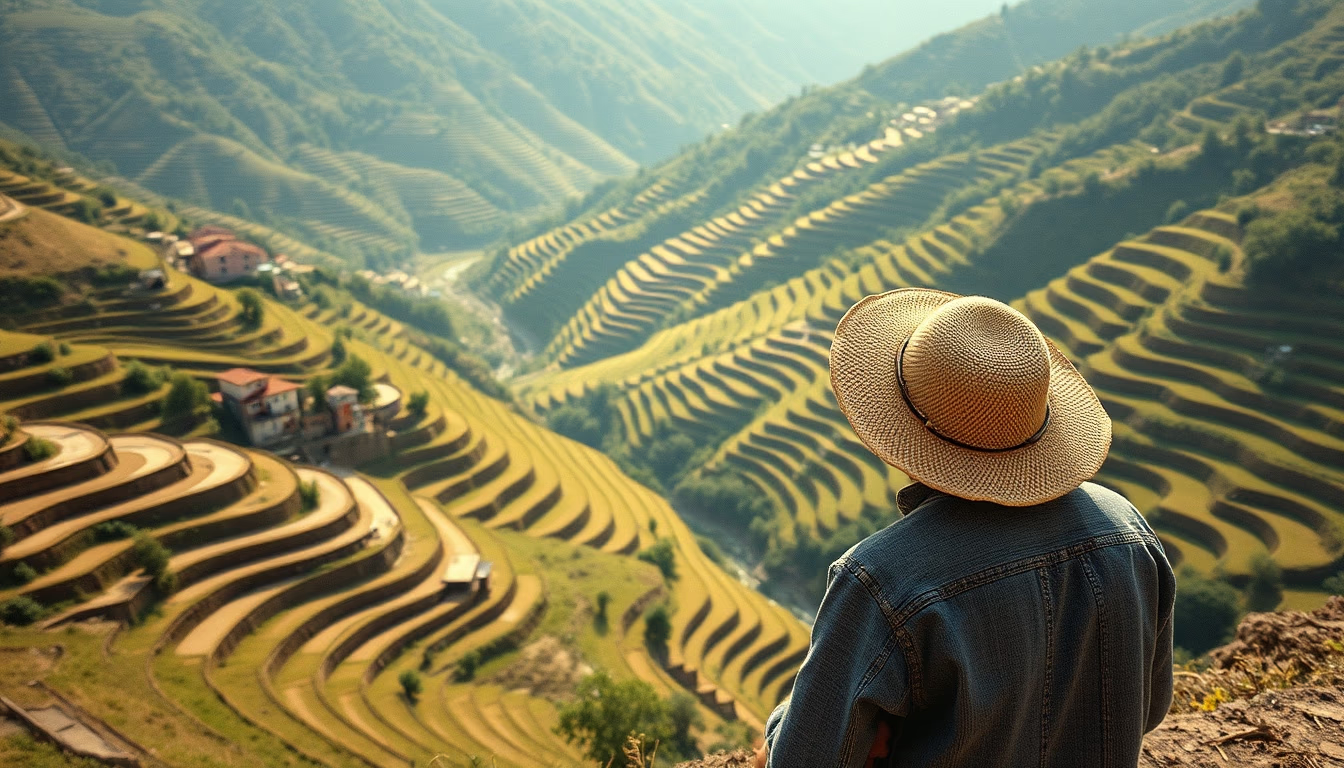
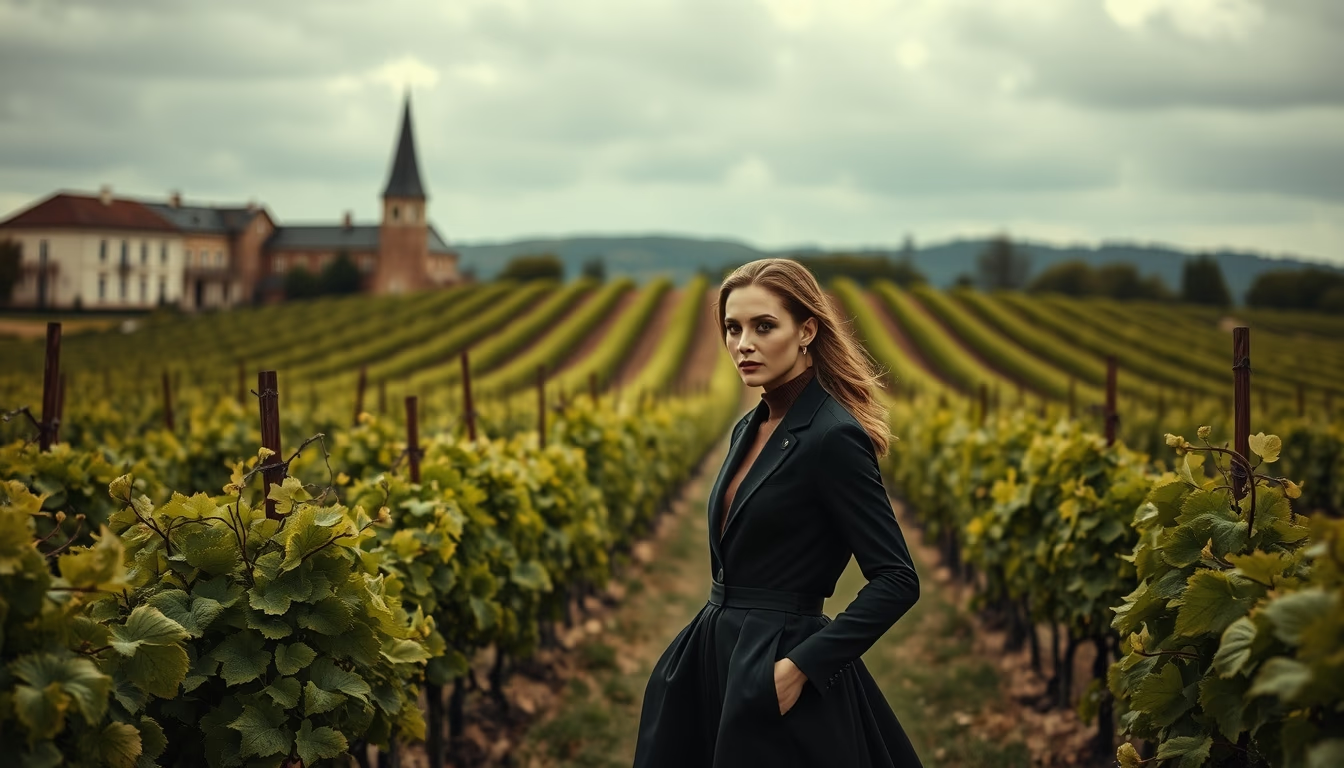
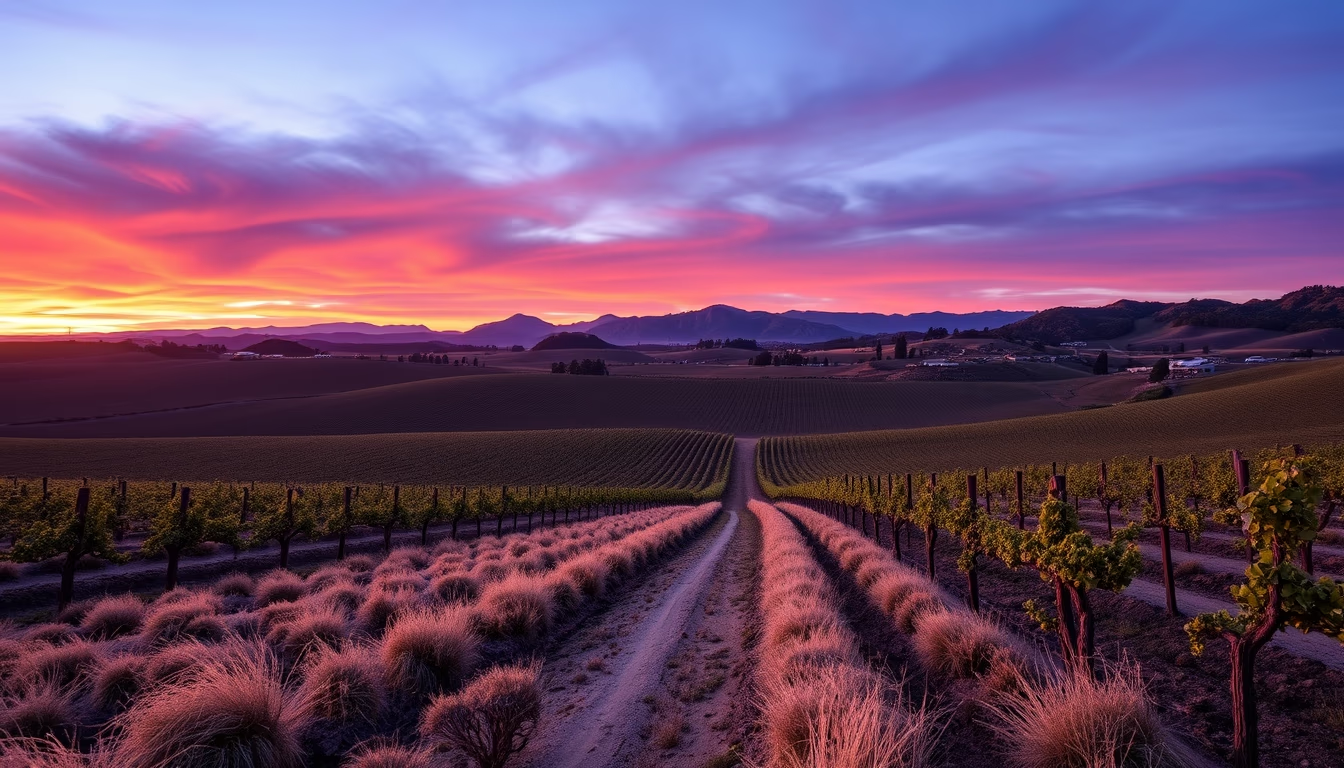
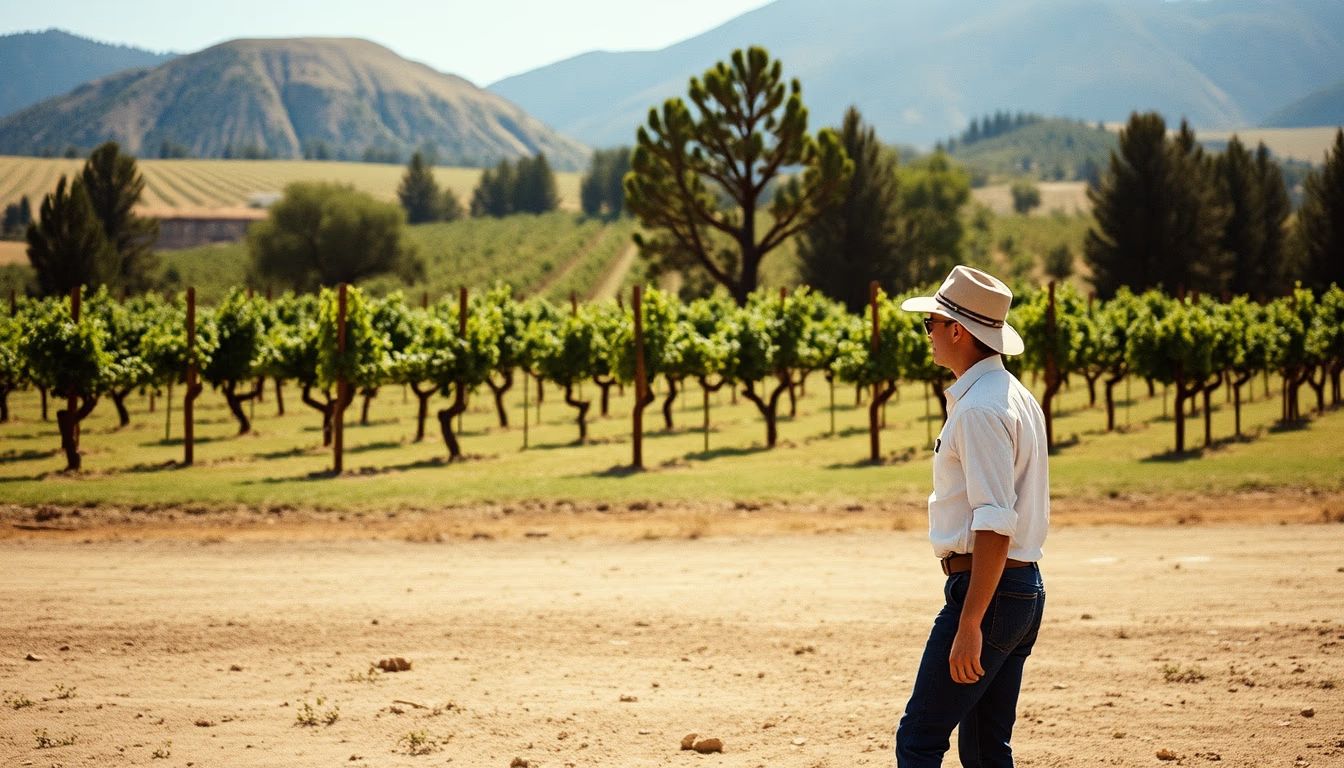
The terraces of the Douro Valley in Portugal create a unique vineyard landscape that produces the famous Port wine.
About this subject
The terraces of the Douro Valley are among the most iconic wine landscapes in the world, carved over centuries along the banks of the Douro River in northern Portugal. This demarcated region, the oldest regulated wine region globally (1756), stretches approximately 250 kilometers from Peso da Régua to the Spanish border. The steep slopes of schist and granite were transformed into narrow terraces that maximize sun exposure and poor soil, ideal for grape varieties such as Touriga Nacional, Touriga Franca, and Tinta Roriz.
The construction of these terraces is a feat of engineering and human labor, begun in Roman times and intensified in the 18th century with the Port wine trade boom. The dry stone walls, known locally as "socalcos", prevent erosion and allow cultivation on slopes up to 60 degrees. In 2001, the Alto Douro Wine Region was declared a UNESCO World Heritage site, recognizing not only the quality of the wines but also the harmony between human activity and nature.
Beyond Port wine, the region produces high-quality still wines under the Douro DOC designation. The different sub-regions, Baixo Corgo, Cima Corgo, and Douro Superior, offer climate and soil variations that influence the wine profile. Historic quintas (estates), many open to visitors, offer wine tourism experiences including tastings and tours of the terraces. The landscape changes dramatically with the seasons, from the greens of spring to the golds of autumn when grapes are hand-harvested.
Interestingly, the terrace cultivation method is threatened by rural abandonment, but revitalization projects and growing interest in wine tourism have helped preserve this heritage. The harshness of working the terraces, often without machinery due to the steepness, is offset by the exceptional quality of the grapes, which produce full-bodied, complex wines. With each vintage, Douro vintners keep alive a millennia-old tradition that has shaped the region's landscape and cultural identity.
Frequently Asked Questions
Why are the Douro Valley terraces considered a World Heritage site?
The terraces were declared a UNESCO World Heritage site in 2001 because they represent a living cultural landscape, the result of a long technical and cultural evolution that harmonizes wine production with the natural environment. It is the world's oldest and most continuous example of terraced viticulture.
Which grapes are grown on the Douro terraces?
The main varieties are Touriga Nacional, Touriga Franca, Tinta Roriz (Tempranillo), Tinta Barroca, and Tinto Cão for reds, as well as white grapes like Rabigato and Viosinho. They are cultivated in schist soils that impart minerality to the wines.
How is the grape harvest carried out on these steep terraces?
Harvesting is predominantly manual due to the slope of the terraces, which prevents the use of machinery. The bunches are carried in baskets to the roads, and in some areas, grapes are still trodden in traditional lagares to produce special Ports.
Direct URL
https://pub-c7d6a6ea828543ac903a74a341ccb2e1.r2.dev/imagens/douro-valley-terraces-lo-fi-disposable-camera-fresh17.avifHow to credit
Include a visible link back to UtilizAí. Copy one of the snippets below:
<a href="https://xn--utiliza-eza.com/en/midia/imagens/douro-valley-terraces-lo-fi-disposable-camera-fresh17">Douro valley terraces</a> by <a href="https://xn--utiliza-eza.com">UtilizAí</a>, licensed under <a href="https://creativecommons.org/licenses/by/4.0/">CC BY 4.0</a>.
[Douro valley terraces](https://xn--utiliza-eza.com/en/midia/imagens/douro-valley-terraces-lo-fi-disposable-camera-fresh17) by [UtilizAí](https://xn--utiliza-eza.com), CC BY 4.0
License: CC-BY-4.0