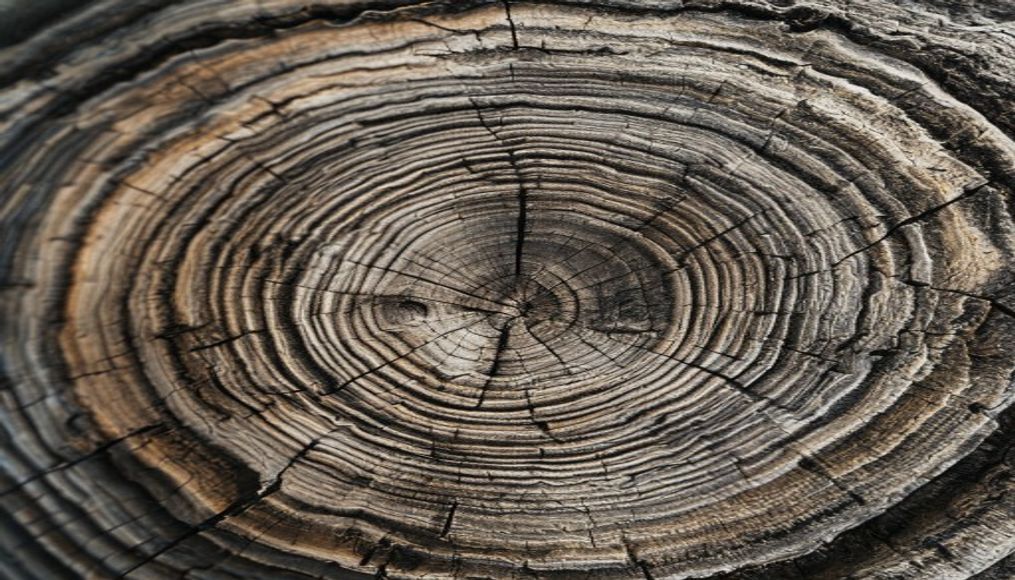
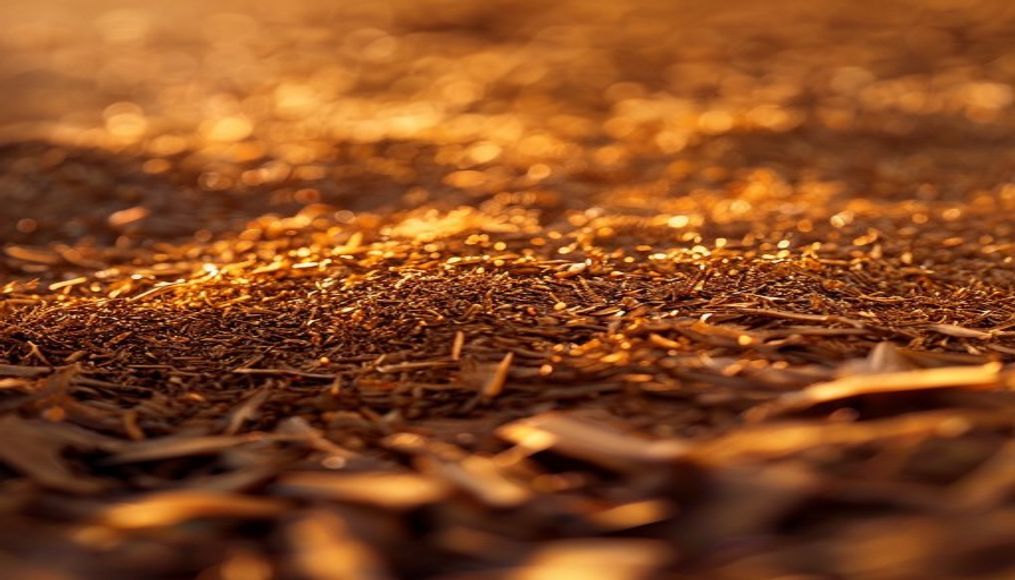
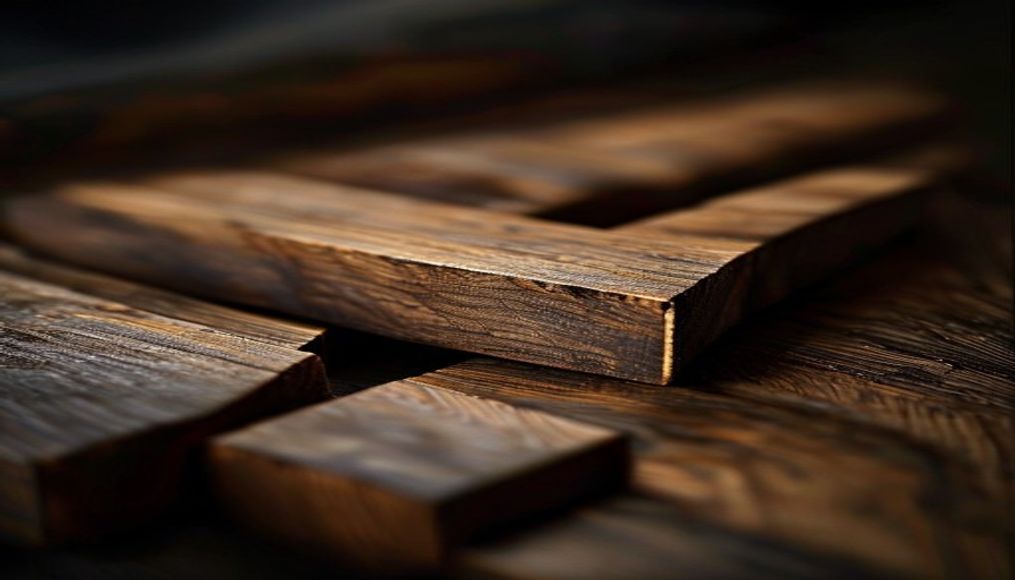
Tree rings cross section
1344×768 · AVIF · CC BY 4.0
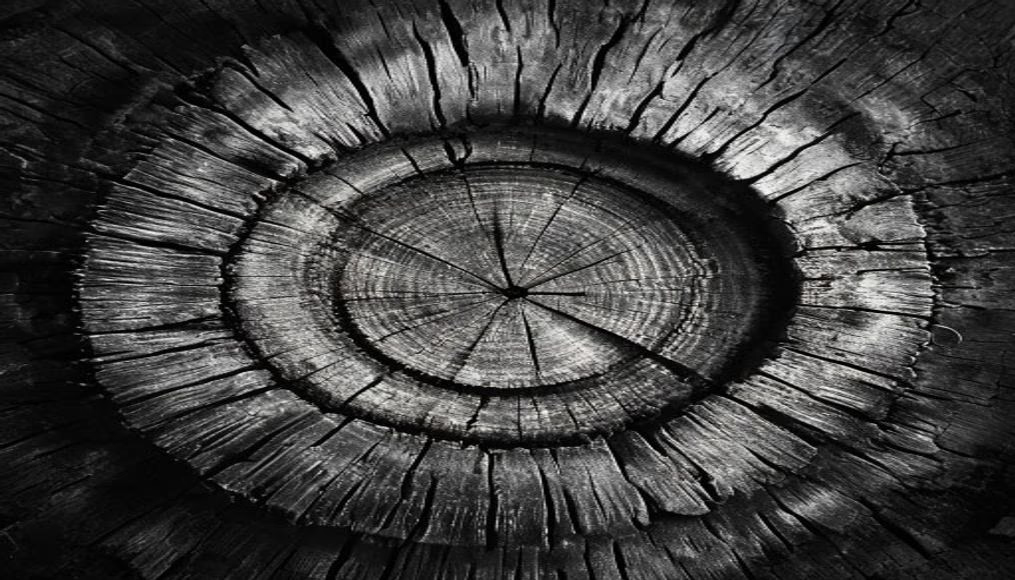
Tree rings in cross sections reveal climatic and environmental histories spanning decades or centuries.
About this subject
Tree rings, also known as annual rings, are concentric formations visible in cross sections of tree trunks. Each pair of light and dark rings represents one year of growth, with the light ring corresponding to rapid spring and summer growth, and the dark ring to slower autumn and winter growth. This structure results from the activity of the vascular cambium, which produces xylem cells of different sizes according to the seasons.
Dendrochronology, the science of dating tree rings, allows reconstruction of past climatic conditions. Wider rings indicate favorable growth years (abundant rainfall, mild temperatures), while narrow rings suggest droughts, intense cold, or pests. Species such as the bristlecone pine (Pinus longaeva) can live thousands of years, with continuous ring sequences dating back over 8,000 years, providing one of the most precise paleoclimate records on the planet.
Beyond scientific value, tree rings are used to date wooden objects like antique furniture and historical musical instruments. Dendrochronology has helped authenticate Renaissance paintings and date archaeological sites. Each cross section is a page of natural history, where the width, color, and density of rings tell events such as volcanic eruptions, forest fires, or changes in rainfall patterns.
Fine art photography of tree rings explores these textures and natural patterns. Careful lighting enhances the contrast between the rings, turning a scientific object into an abstract visual composition. These images are used in interior design, prints, and publications, valuing the intrinsic beauty of wood and its chronological narrative.
Frequently Asked Questions
How can you determine the age of a tree from its growth rings?
Count the dark (or light) rings from the center (pith) to the bark. Each light-dark pair represents one year. A clean cross section is needed, and sometimes a magnifying glass or microscope for very fine rings.
Do all tree species form visible growth rings?
No. Trees in tropical regions with constant climate may not show distinct rings because growth is continuous. In temperate and seasonal climates, rings are well-defined.
Can tree rings reveal catastrophic events?
Yes. Very narrow dark rings can indicate droughts or volcanic eruptions that reduced sunlight. Rings with scars or disruptions may record fires or insect attacks.
Direct URL
https://pub-c7d6a6ea828543ac903a74a341ccb2e1.r2.dev/imagens/tree-rings-cross-section-fine-art-photography-p0.avifHow to credit
Include a visible link back to UtilizAí. Copy one of the snippets below:
<a href="https://xn--utiliza-eza.com/en/midia/imagens/tree-rings-cross-section-fine-art-photography-p0">Tree rings cross section</a> by <a href="https://xn--utiliza-eza.com">UtilizAí</a>, licensed under <a href="https://creativecommons.org/licenses/by/4.0/">CC BY 4.0</a>.
[Tree rings cross section](https://xn--utiliza-eza.com/en/midia/imagens/tree-rings-cross-section-fine-art-photography-p0) by [UtilizAí](https://xn--utiliza-eza.com), CC BY 4.0
License: CC-BY-4.0