Transistor surface mount
1344×768 · AVIF · CC BY 4.0
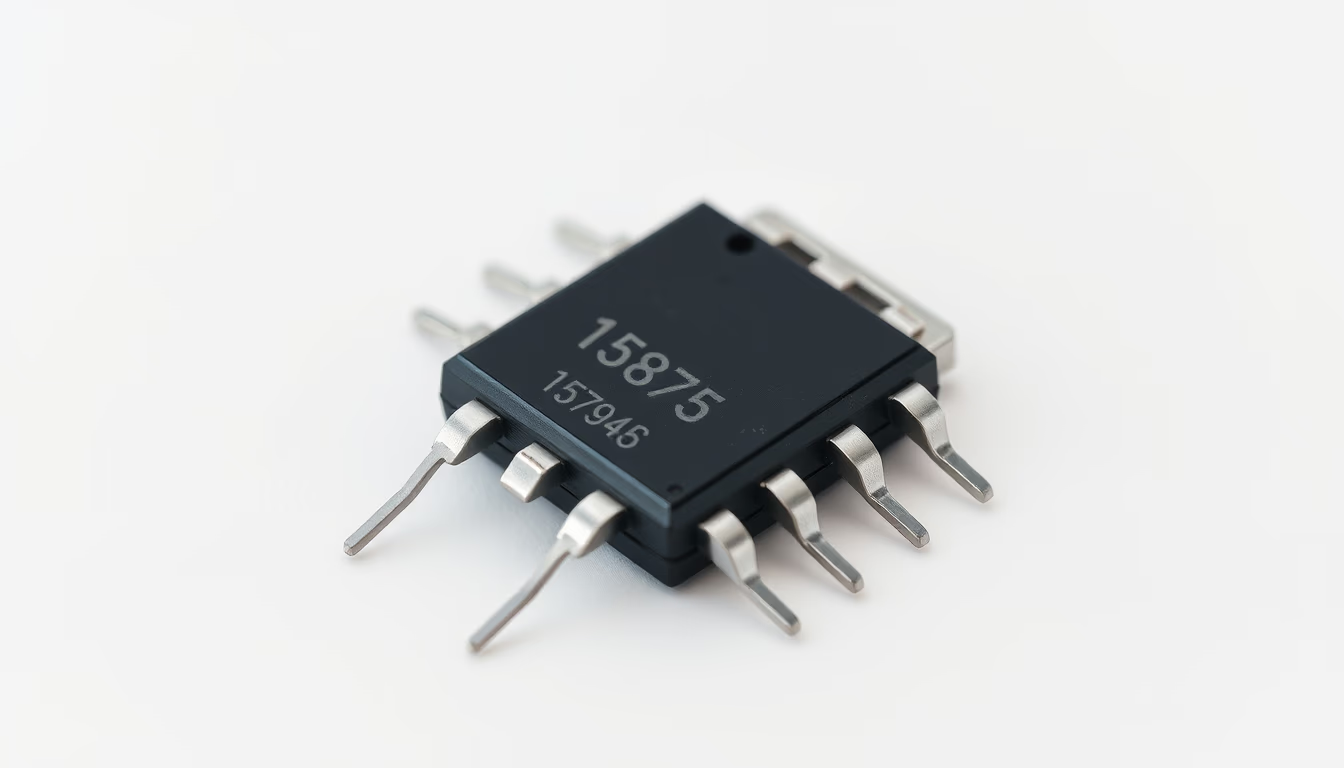
Compact surface-mount transistor (SMD) used in modern electronic circuits, enabling high component density and automated assembly.
About this subject
Surface-mount transistors (SMD) revolutionized the electronics industry by replacing long-lead through-hole components with tiny, leadless versions. Invented in the 1960s, they became standard in virtually all modern electronic devices, from smartphones to home appliances. Their operating principle is the same as conventional transistors: amplifying or switching electrical signals. The difference lies in the packaging, which allows direct soldering onto the surface of a printed circuit board (PCB) without drilling holes.
These components come in various types, such as BJT, MOSFET, and IGBT, each with specific applications. For instance, SMD MOSFETs are widely used in switch-mode power supplies and voltage regulators due to their high efficiency and low on-resistance. Small-signal transistors (like the BC847) are common in audio circuits and sensors.
A technical curiosity: SMD part numbers follow standardized codes, but many manufacturers use proprietary markings, requiring datasheet lookup for proper identification. Additionally, the absence of long leads reduces parasitic inductance, improving high-frequency performance. This makes SMD transistors essential for RF circuits and high-speed applications.
The assembly process is highly automated: pick-and-place machines position components with accuracy, and soldering is done by reflow. This technology enables mass production of dense, reliable boards, crucial for the miniaturization of modern electronic devices.
Frequently Asked Questions
What does SMD stand for in transistors?
SMD stands for Surface-Mount Device. These components are designed to be soldered directly onto the surface of a printed circuit board without needing holes.
What are the advantages of SMD transistors over through-hole?
SMD transistors allow higher component density, automated assembly, better high-frequency performance (lower parasitic inductance), and reduced costs in large-scale production.
How can I identify an SMD transistor without a datasheet?
Identification is difficult because markings are short alphanumeric codes that vary by manufacturer. It is best to use online databases or consult the original datasheet. Some multimeters with transistor testing functions can help.
Direct URL
https://pub-c7d6a6ea828543ac903a74a341ccb2e1.r2.dev/imagens/transistor-surface-mount-commercial-product-photography-p1.avifHow to credit
Include a visible link back to UtilizAí. Copy one of the snippets below:
<a href="https://xn--utiliza-eza.com/en/midia/imagens/transistor-surface-mount-commercial-product-photography-p1">Transistor surface mount</a> by <a href="https://xn--utiliza-eza.com">UtilizAí</a>, licensed under <a href="https://creativecommons.org/licenses/by/4.0/">CC BY 4.0</a>.
[Transistor surface mount](https://xn--utiliza-eza.com/en/midia/imagens/transistor-surface-mount-commercial-product-photography-p1) by [UtilizAí](https://xn--utiliza-eza.com), CC BY 4.0
License: CC-BY-4.0