Train signal semaphore
1344×768 · AVIF · CC BY 4.0
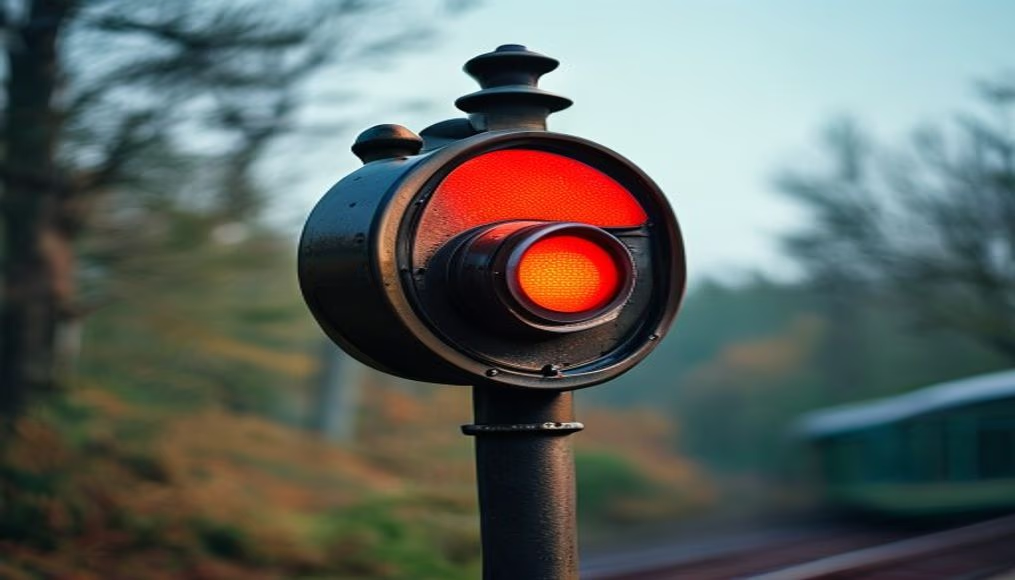
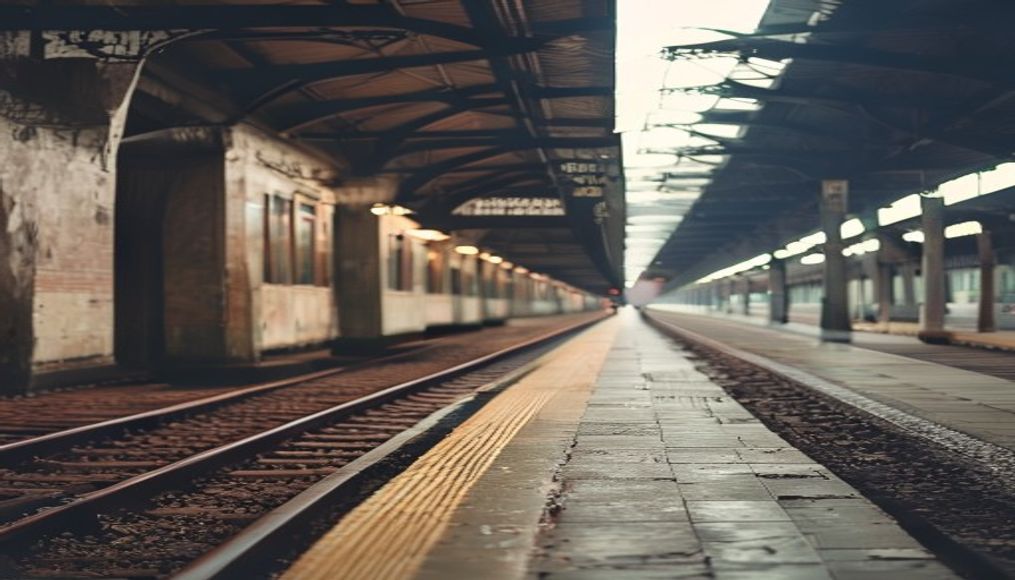
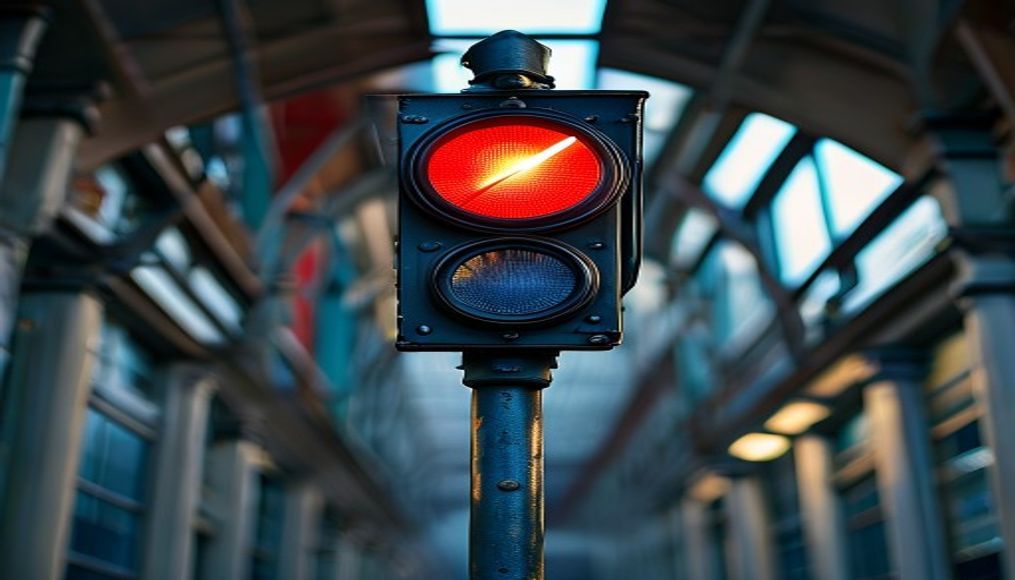
Railway semaphore signals, like this classic model, have been essential for safety on railroads since the 19th century.
About this subject
Railway semaphore signals are mechanical signaling devices that inform train drivers whether the track is clear or occupied. Invented in the early 19th century, they were widely adopted on British railways and later spread worldwide. The most common model is the semaphore arm, which moves to different positions: horizontal (stop), at a 45-degree angle (proceed with caution), and vertical (clear).
In Brazil, the first semaphore signals were installed by English companies such as Leopoldina Railway and São Paulo Railway, especially on mountainous stretches and busy stations. The Estrada de Ferro Central do Brasil also made extensive use of these signals until their replacement by electrical and electronic systems in the 1970s and 1980s.
A technical curiosity is that the semaphore mechanism was operated by steel cables connected to levers in signal boxes, often located kilometers away. At night, kerosene lamps provided illumination, with colored lenses that changed according to the arm's position. This system required constant maintenance and operator vigilance.
Today, most modern railways use computer-controlled light signals, but some historic semaphores are still preserved in museums and tourist railways, such as the Maria Fumaça in Minas Gerais. Their silhouette has become an icon of rail transport, representing an era of mechanical engineering and operational safety.
Frequently Asked Questions
What is the difference between a railway semaphore and a road traffic light?
A railway semaphore is a mechanical or electrical system that uses arms or lights to communicate orders to the train driver, while road traffic lights regulate vehicle flow. Semaphore signals have specific meanings for railway safety.
Are semaphore arms still in use in Brazil?
Yes, on some tourist railways and museums, such as the Maria Fumaça in Ouro Preto. On main lines, they have been replaced by modern light signals.
How did train drivers know the meaning of each arm position?
The interpretation was standardized internationally: horizontal for stop, diagonal for caution, and vertical for clear. Manuals and training ensured correct usage.
Direct URL
https://pub-c7d6a6ea828543ac903a74a341ccb2e1.r2.dev/imagens/train-signal-semaphore-national-geographic-style-p2.avifHow to credit
Include a visible link back to UtilizAí. Copy one of the snippets below:
<a href="https://xn--utiliza-eza.com/en/midia/imagens/train-signal-semaphore-national-geographic-style-p2">Train signal semaphore</a> by <a href="https://xn--utiliza-eza.com">UtilizAí</a>, licensed under <a href="https://creativecommons.org/licenses/by/4.0/">CC BY 4.0</a>.
[Train signal semaphore](https://xn--utiliza-eza.com/en/midia/imagens/train-signal-semaphore-national-geographic-style-p2) by [UtilizAí](https://xn--utiliza-eza.com), CC BY 4.0
License: CC-BY-4.0