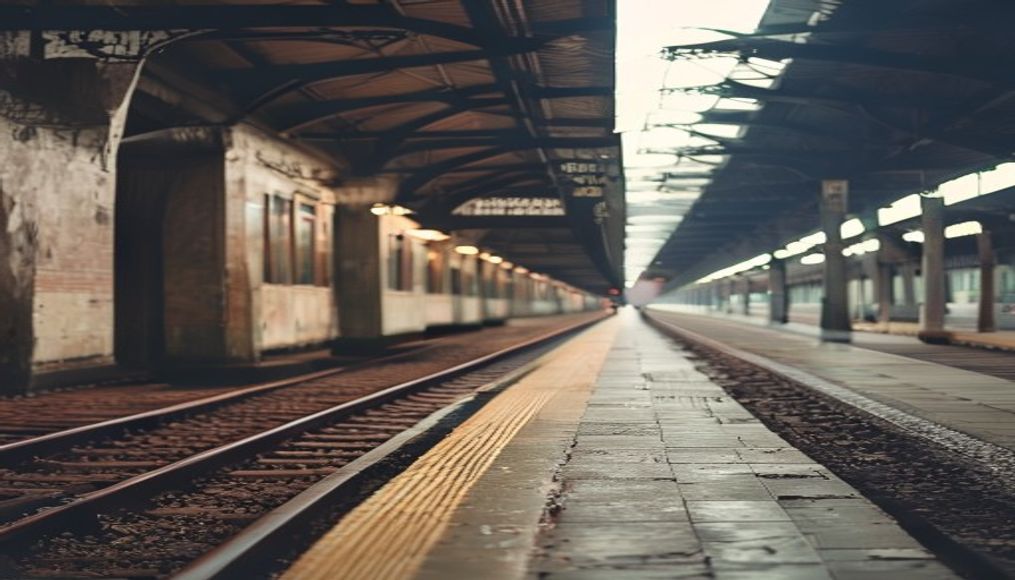
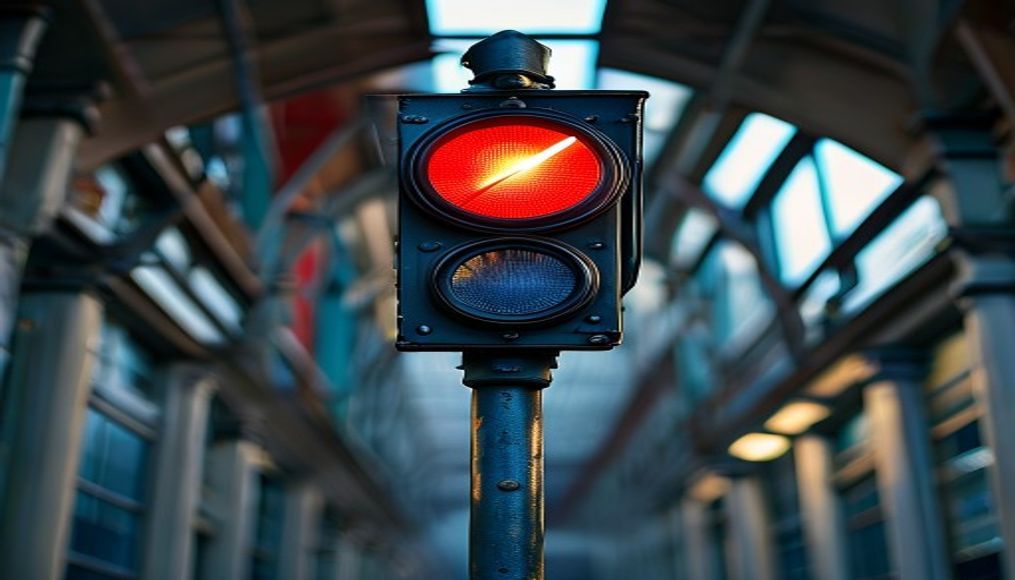
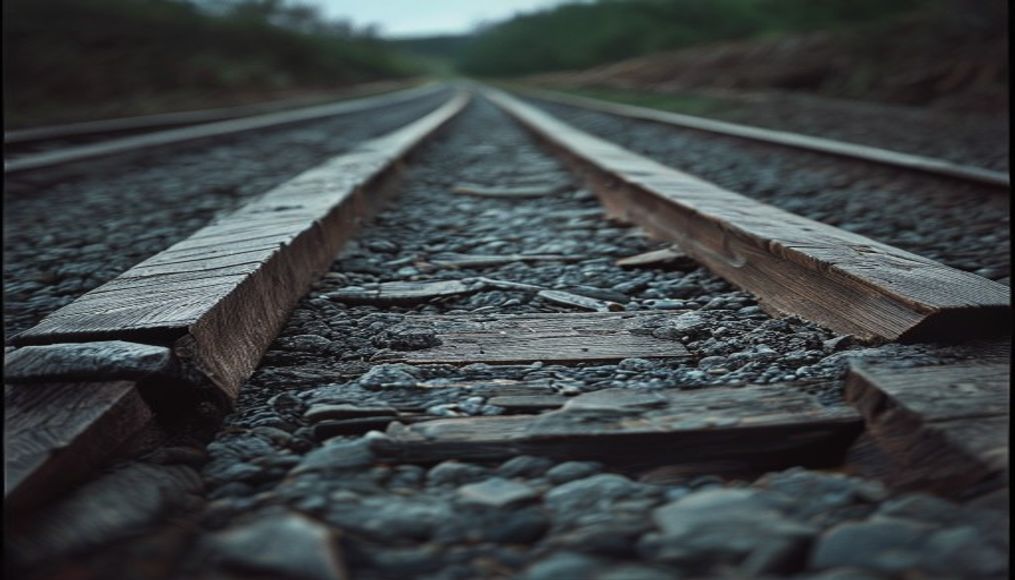
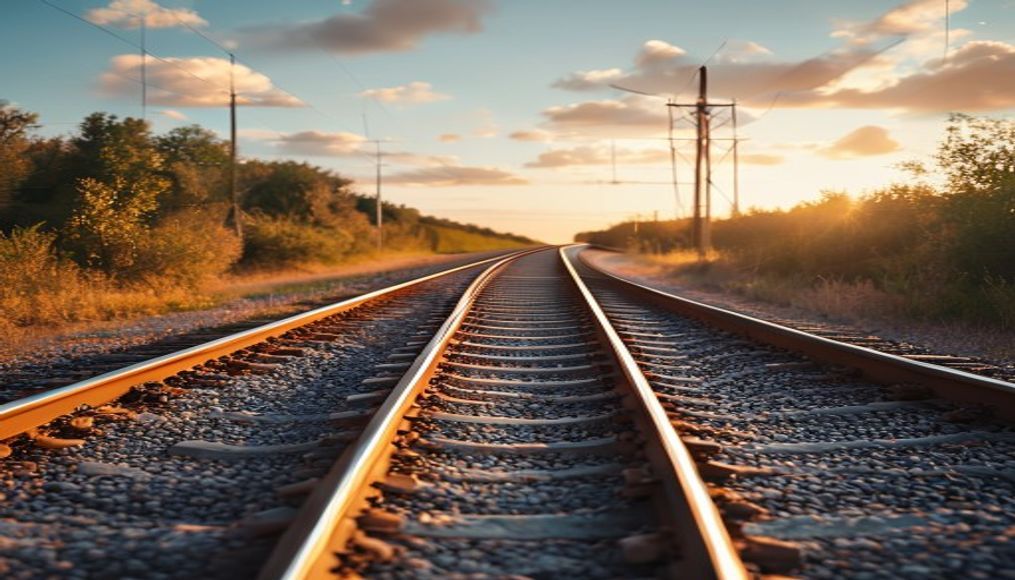
Railroad switch
1344×768 · JPG · CC BY 4.0
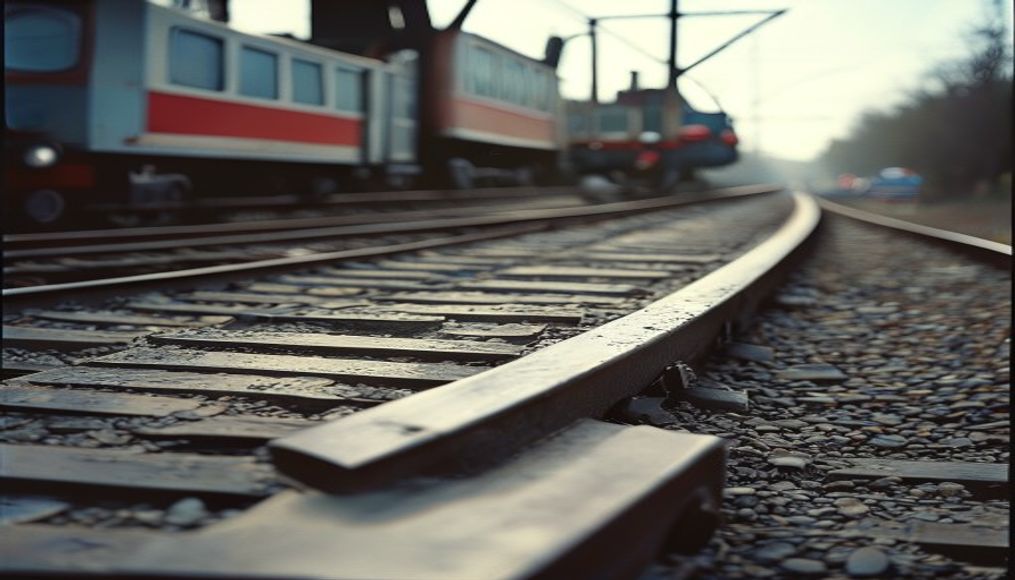
O desvio ferroviário, ou chave (aparelho de mudança de via, AMV), é um mecanismo que permite a transição de trens entre trilhos, fundamental para a malha ferroviária.
Sobre o tema
O desvio ferroviário, também chamado de chave ou aparelho de mudança de via (AMV), é um dos componentes mais críticos da infraestrutura ferroviária. Ele consiste em um conjunto de trilhos móveis que guiam as rodas dos trens de uma via para outra, permitindo que composições sigam diferentes direções sem interromper o fluxo. Sua operação pode ser manual, com alavancas operadas por agentes de via, ou automatizada, com acionamento elétrico ou hidráulico controlado por centrais de sinalização.
Existem diversos tipos de desvios, como o desvio simples, o desvio de coração móvel e as travessias diagonais. Cada um é projetado para velocidades e cargas específicas: desvios de alta velocidade possuem geometria mais suave e peças mais resistentes ao desgaste. No Brasil, a Rede Ferroviária Federal (RFFSA) padronizou equipamentos, mas com a concessão à iniciativa privada a manutenção e modernização variam conforme o operador.
Historicamente, os primeiros desvios surgiram no início do século XIX, na Inglaterra, com trilhos móveis de madeira. A invenção do aparelho de mudança de via moderno é atribuída a Charles Fox, em 1830. Desde então, o mecanismo evoluiu para suportar tonelagens maiores e velocidades mais altas, sendo essencial para a segurança: um desvio mal posicionado ou com falha mecânica pode causar descarrilamentos graves.
A manutenção dos desvios é periódica e inclui inspeção visual, lubrificação, medicação de bitola e substituição de componentes desgastados. Em ferrovias de alto tráfego, como o Corredor de Exportação no Paraná, os desvios são trocados a cada poucos anos devido ao elevado desgaste. A falha de um único parafuso pode comprometer todo o sistema, daí a importância de protocolos rigorosos de conservação.
Perguntas frequentes
Como funciona um desvio ferroviário?
Um desvio ferroviário utiliza trilhos móveis chamados 'jacaré' e 'contra-agulhas' que se deslocam lateralmente para guiar as rodas do trem para um dos dois ramos possíveis. O movimento é controlado por alavancas ou motores elétricos, com travamento automático para garantir a posição correta.
Quais os principais tipos de desvios?
Os principais tipos são o desvio simples, o desvio de coração móvel (usado em alta velocidade) e a travessia diagonal. Cada um tem aplicações específicas: desvios simples são comuns em pátios de manobras, enquanto corações móveis são usados em linhas de alta velocidade para evitar gaps.
Qual a importância dos desvios para a segurança ferroviária?
Desvios são pontos críticos onde falhas podem causar descarrilamentos. A manutenção rigorosa e sistemas de sinalização adequados evitam acidentes. Em caso de falha, os trens podem ser desviados involuntariamente ou ficar presos, comprometendo toda a circulação.
URL direta
https://pub-c7d6a6ea828543ac903a74a341ccb2e1.r2.dev/imagens/railroad-switch-film-grain-authentic-p4.jpgComo creditar
Inclua um link visível de volta pro UtilizAí. Copie um dos snippets abaixo:
<a href="https://xn--utiliza-eza.com/midia/imagens/railroad-switch-film-grain-authentic-p4">Railroad switch</a> by <a href="https://xn--utiliza-eza.com">UtilizAí</a>, licensed under <a href="https://creativecommons.org/licenses/by/4.0/">CC BY 4.0</a>.
[Railroad switch](https://xn--utiliza-eza.com/midia/imagens/railroad-switch-film-grain-authentic-p4) by [UtilizAí](https://xn--utiliza-eza.com), CC BY 4.0
Licença: CC-BY-4.0