Tin advertising signs row
1344×768 · AVIF · CC BY 4.0

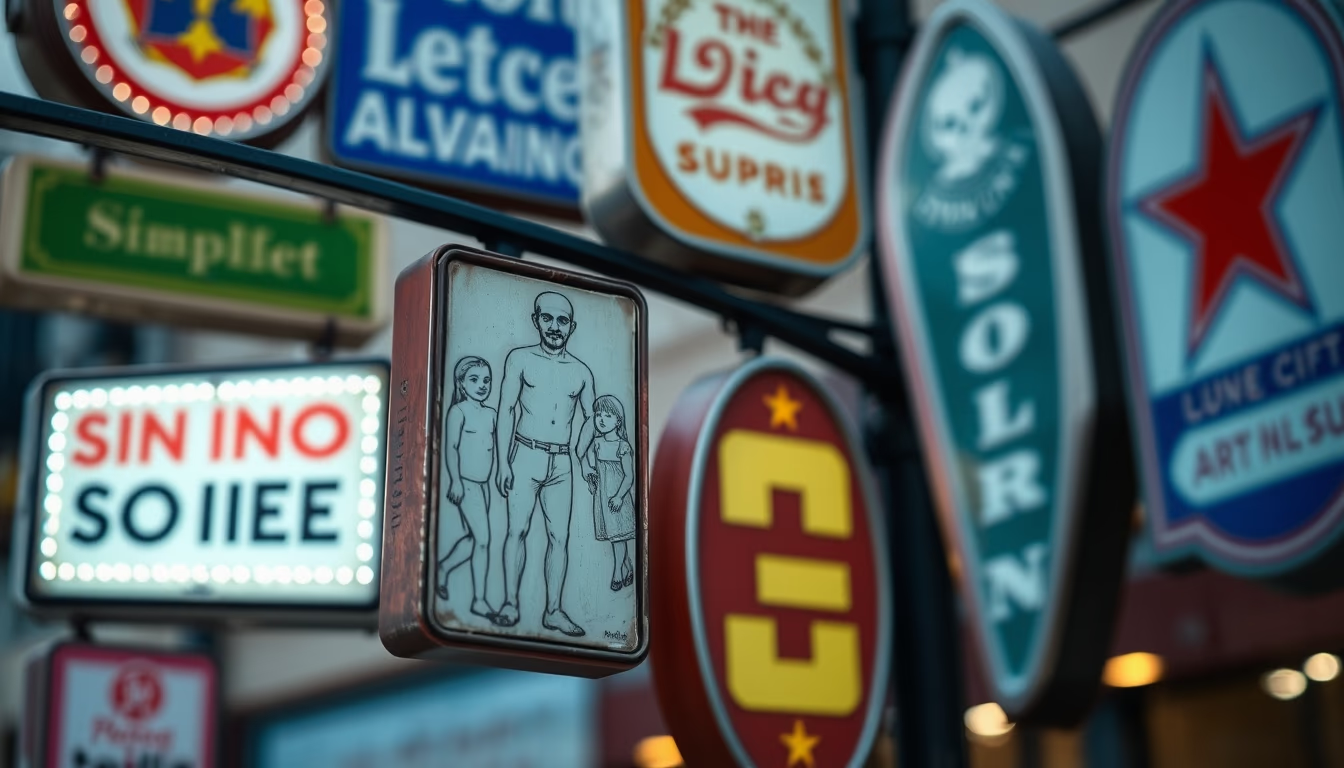
A row of vintage tin advertising signs showcases products from the 20th century, icons of advertising culture and retro design.
About this subject
Tin advertising signs, also known as enameled metal signs, were one of the most popular advertising formats from the late 19th century to the mid-20th century. They promoted everything from soft drinks and cigarettes to oils and tools, becoming an integral part of urban and rural landscapes in countries such as the United States, Brazil, and the United Kingdom. The technique of lithography on tin plate allowed for vibrant colors and precise details, along with weather resistance.
Manufacturing involved printing designs on steel sheets coated with tin, followed by baking to set the inks. Often, a vitreous enamel layer was added for extra durability. Companies such as the American Art Works (in the US) and Meccano (in the UK) produced thousands of designs, which spread across stores, gas stations, and storefronts.
In Brazil, tin signs were widely used for brands like Guaraná Antarctica, Coca-Cola, and cigarettes. Over time, the material aged, but original examples are prized by collectors. The patina and small dents tell the story of use and climate. Today, these signs are often reproduced, but original ones carry a unique historical and aesthetic value.
A photograph of a row of such signs evokes nostalgia for an era when local commerce advertised with striking colors and lettering. Each sign represents not only a product but also a piece of 20th-century material culture, graphic design, and the evolution of printing techniques.
Frequently Asked Questions
What are tin advertising signs and why are they iconic?
They are advertising signs made from tin-coated steel sheets, printed with lithography. They became iconic for their durability, vibrant colors, and association with classic 20th-century brands.
How were tin advertising signs manufactured?
They were produced by lithography on tin plates, baked to set the ink, and often given a vitreous enamel coating for weather resistance. This allowed fine details and bright colors.
What is the value of these signs today?
Well-preserved originals are highly collectible, with values ranging from tens to thousands of dollars depending on rarity, brand, and condition. Authentic patina is sought after.
Direct URL
https://pub-c7d6a6ea828543ac903a74a341ccb2e1.r2.dev/imagens/tin-advertising-signs-row-film-grain-authentic-fresh5.avifHow to credit
Include a visible link back to UtilizAí. Copy one of the snippets below:
<a href="https://xn--utiliza-eza.com/en/midia/imagens/tin-advertising-signs-row-film-grain-authentic-fresh5">Tin advertising signs row</a> by <a href="https://xn--utiliza-eza.com">UtilizAí</a>, licensed under <a href="https://creativecommons.org/licenses/by/4.0/">CC BY 4.0</a>.
[Tin advertising signs row](https://xn--utiliza-eza.com/en/midia/imagens/tin-advertising-signs-row-film-grain-authentic-fresh5) by [UtilizAí](https://xn--utiliza-eza.com), CC BY 4.0
License: CC-BY-4.0