Tin advertising signs row
1344×768 · AVIF · CC BY 4.0
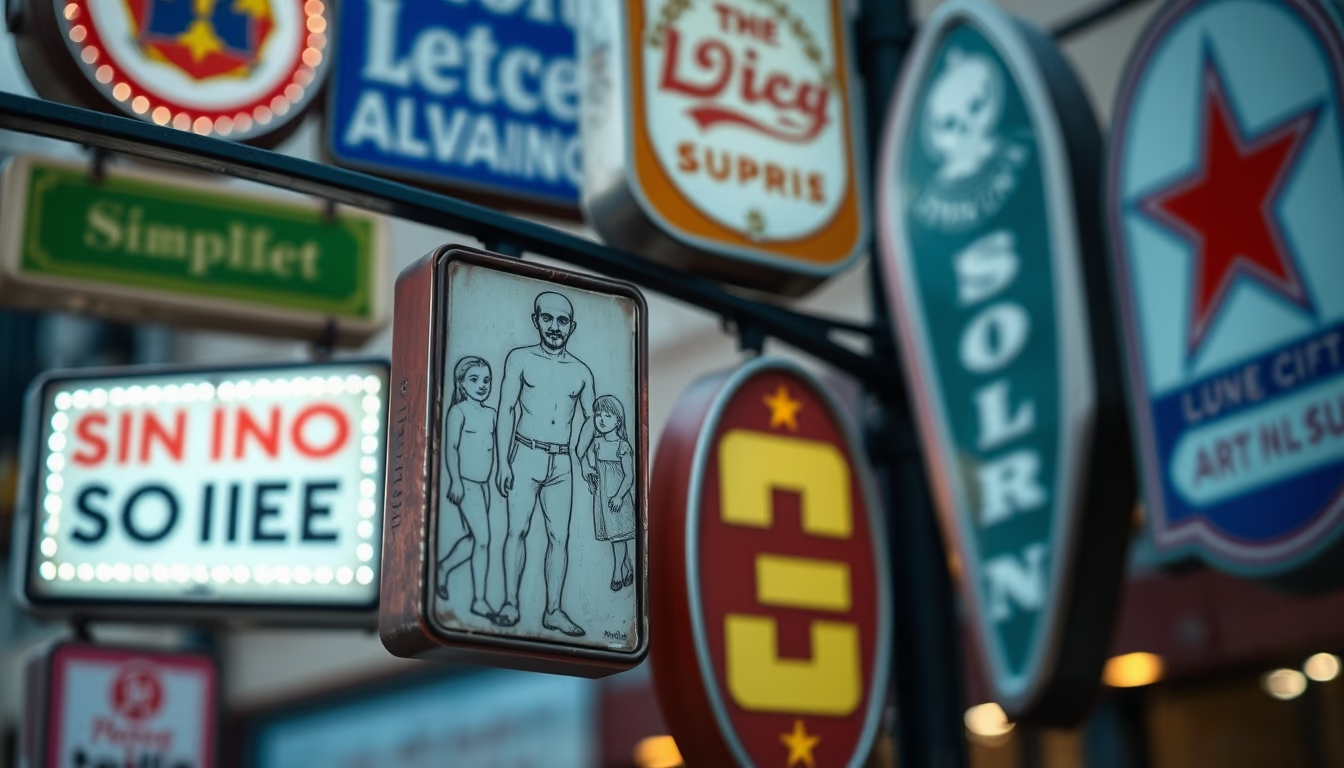
Row of tin advertising signs: history, manufacturing, and collectible value of vintage metal advertisements.
About this subject
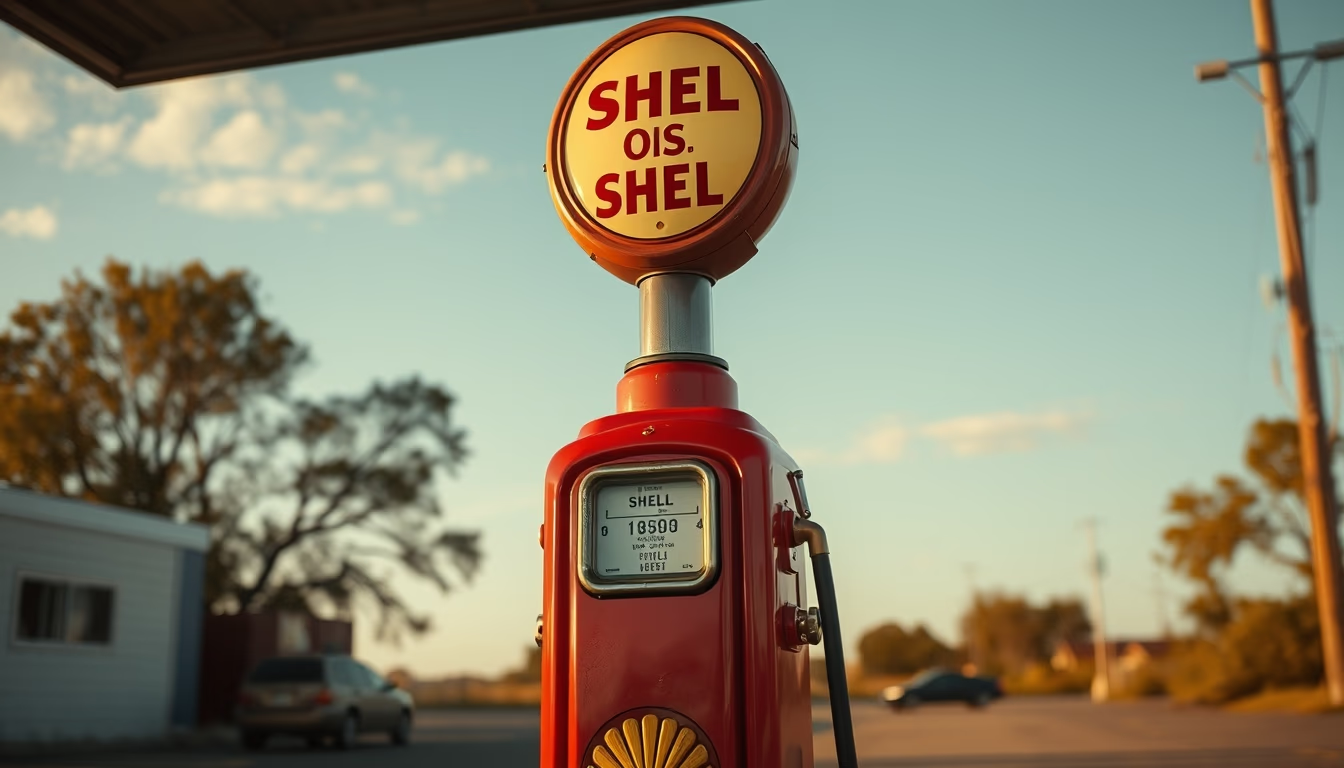
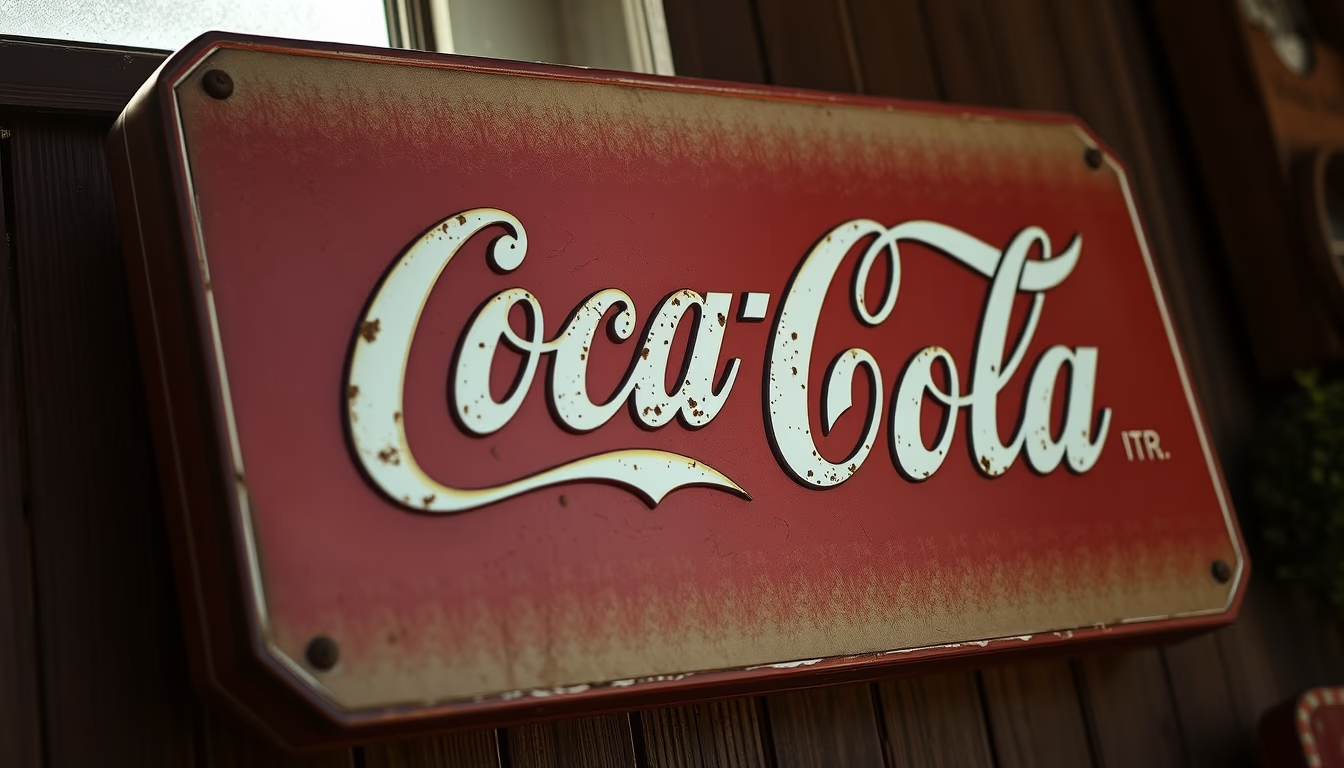
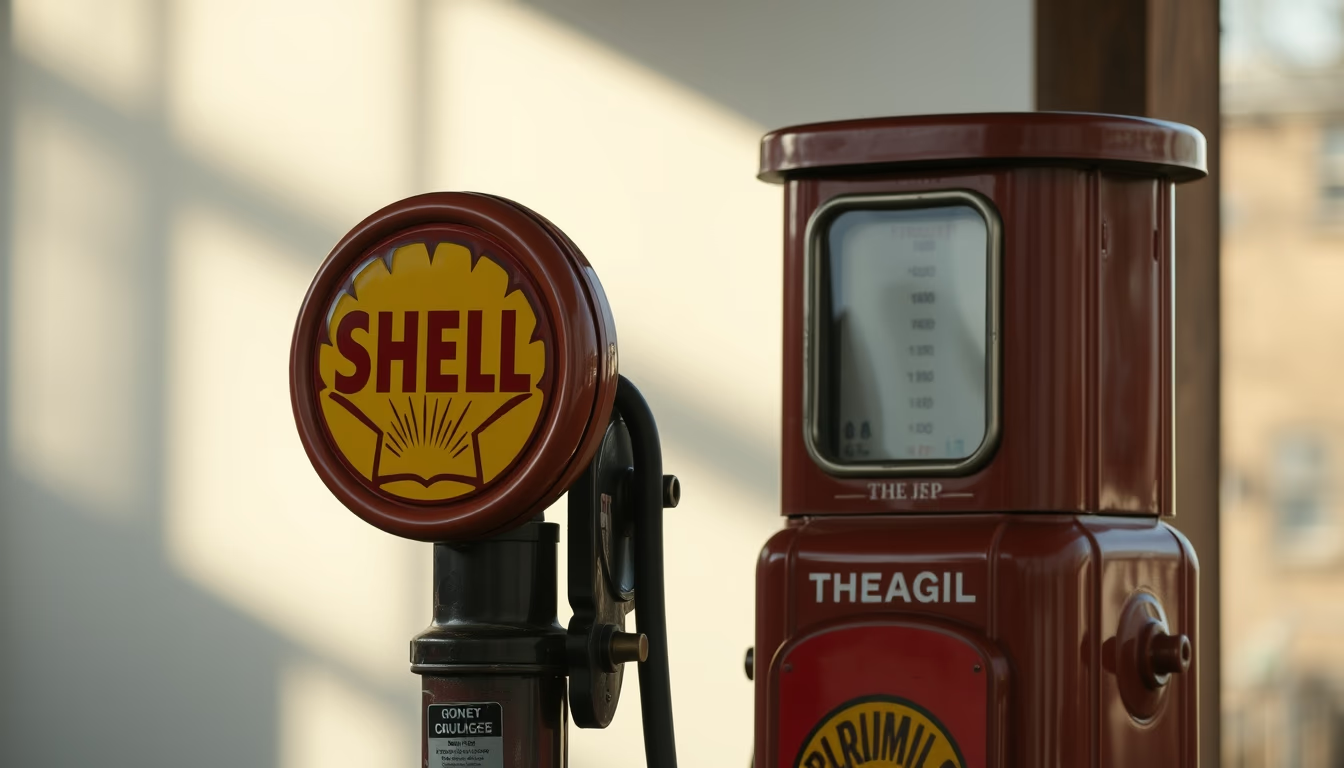
Tin advertising signs were one of the earliest mass-produced outdoor advertising media, especially between the late 19th and mid-20th centuries. Made from thin steel sheets coated with tin (tinplate), they received a layer of enamel or lithographic ink, making them resistant to rust and weather. Major brands such as Coca-Cola, Ford, and Phillips 66 used this format to display their logos on storefronts, gas pumps, and windows, creating a nostalgic aesthetic that persists today.
The manufacturing process involved offset lithographic printing onto the metal, followed by cutting and creasing to shape rounded corners or borders. Each sign was a functional and decorative object meant to last years outdoors. With the advent of plastic and vinyl materials in the 1960s, the use of metal signage declined, but their visual and historical appeal turned them into coveted collector's items.
In the antiques market, a well-preserved original tin sign can fetch hundreds to thousands of dollars, depending on rarity, subject, and condition. Manufacturer stamps like "Standard Oil" or ads for regional products are highly sought after. The row of signs, as in the image, evokes the typical layout of stores or gas stations where multiple brands shared the same space.
Fun fact: the term "tin sign" is used even though the material is actually tin-plated steel. Collecting these pieces grew in the 1970s with the retro movement, and today they are common in vintage décor, themed bars, and American restaurants. Each sign tells a micro-story of graphic design and consumer culture of its era.
Frequently Asked Questions
How to identify an original tin sign?
Check for surface rust (but not deep corrosion) and test if the metal is magnetic (pure tin is not, but tin-plated steel is). Manufacturer stamps on the back and natural wear are good indicators.
What is the difference between a tin sign and an aluminum sign?
Tin signs are heavier and have a slightly different sheen; aluminum signs do not rust and are usually more recent. Tin has a more metallic sound when tapped.
Where are vintage advertising signs most commonly found?
At antique fairs, specialized memorabilia shops, and online auctions. Abandoned gas stations and demolition sites of old buildings can also yield original pieces.
Direct URL
https://pub-c7d6a6ea828543ac903a74a341ccb2e1.r2.dev/imagens/tin-advertising-signs-row-macro-closeup-fresh17.avifHow to credit
Include a visible link back to UtilizAí. Copy one of the snippets below:
<a href="https://xn--utiliza-eza.com/en/midia/imagens/tin-advertising-signs-row-macro-closeup-fresh17">Tin advertising signs row</a> by <a href="https://xn--utiliza-eza.com">UtilizAí</a>, licensed under <a href="https://creativecommons.org/licenses/by/4.0/">CC BY 4.0</a>.
[Tin advertising signs row](https://xn--utiliza-eza.com/en/midia/imagens/tin-advertising-signs-row-macro-closeup-fresh17) by [UtilizAí](https://xn--utiliza-eza.com), CC BY 4.0
License: CC-BY-4.0