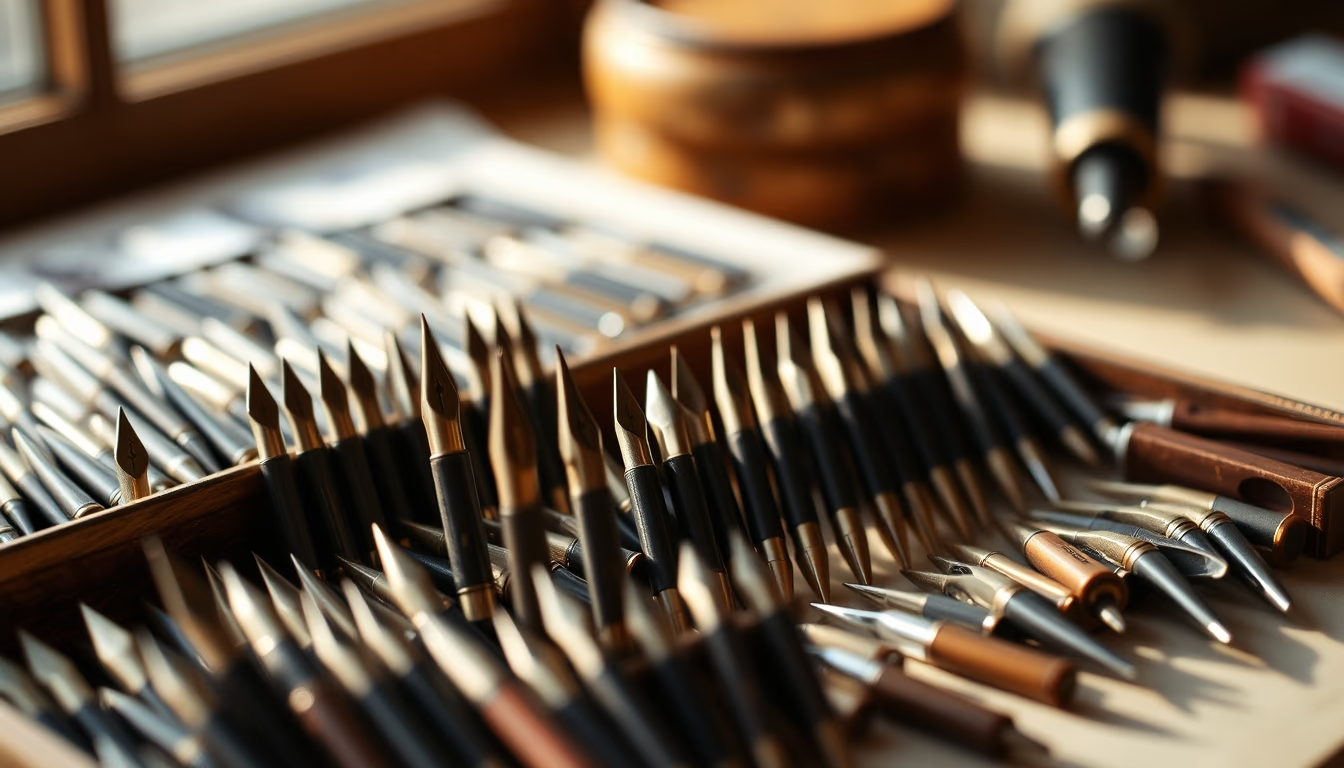
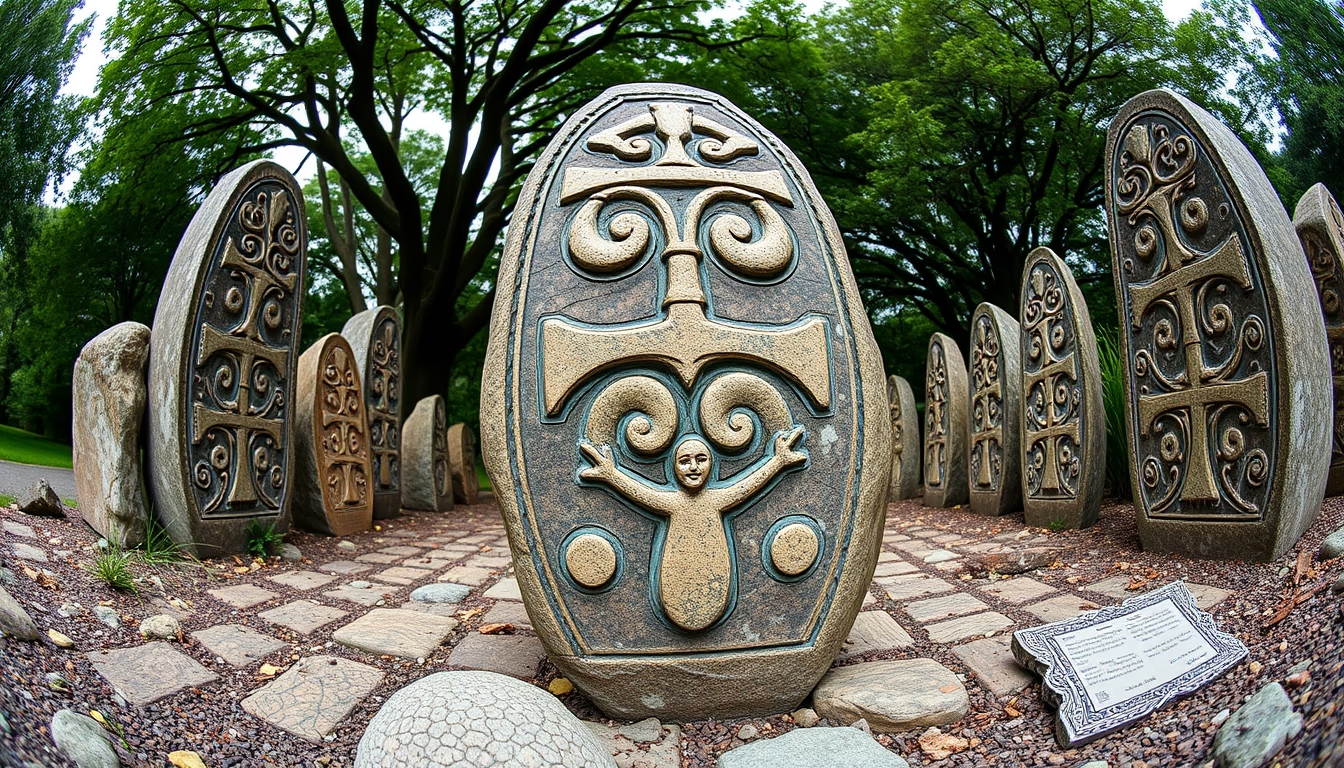
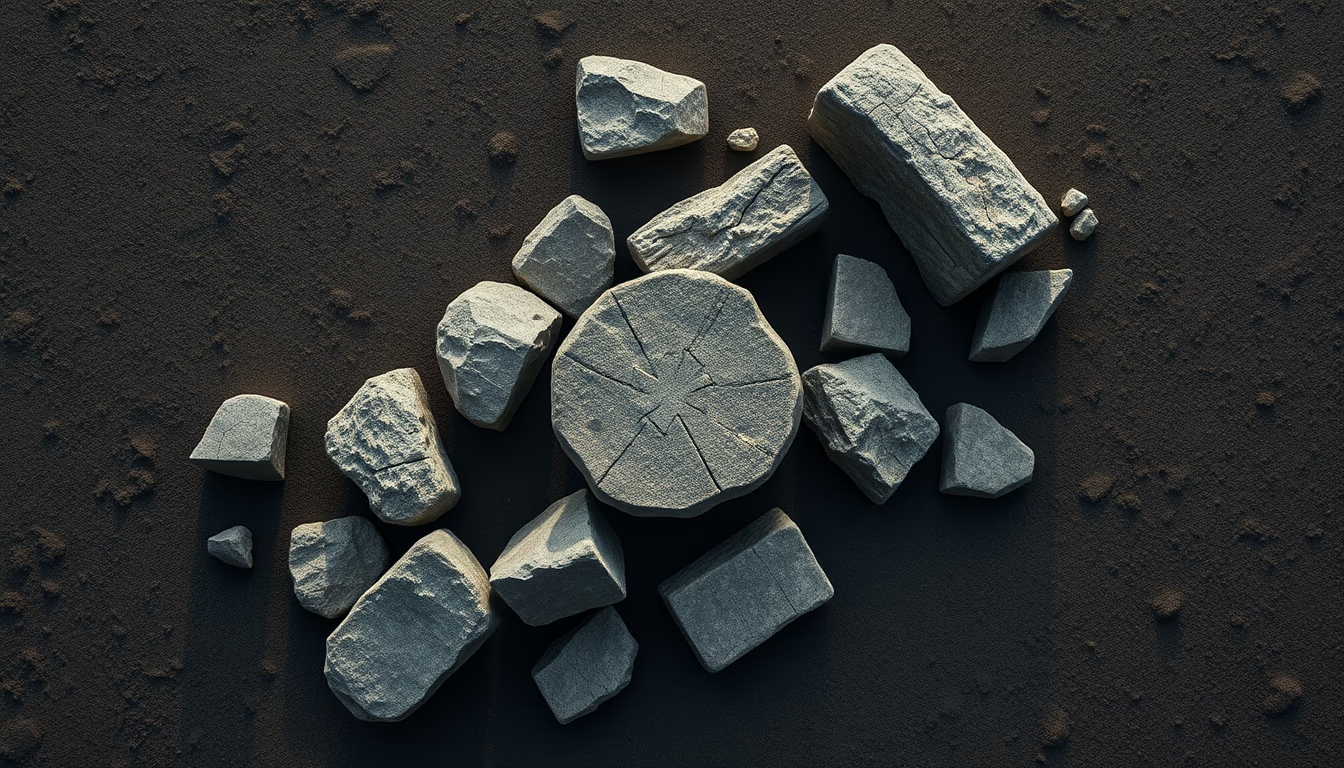
Tibetan calligraphy gold
1344×768 · AVIF · CC BY 4.0
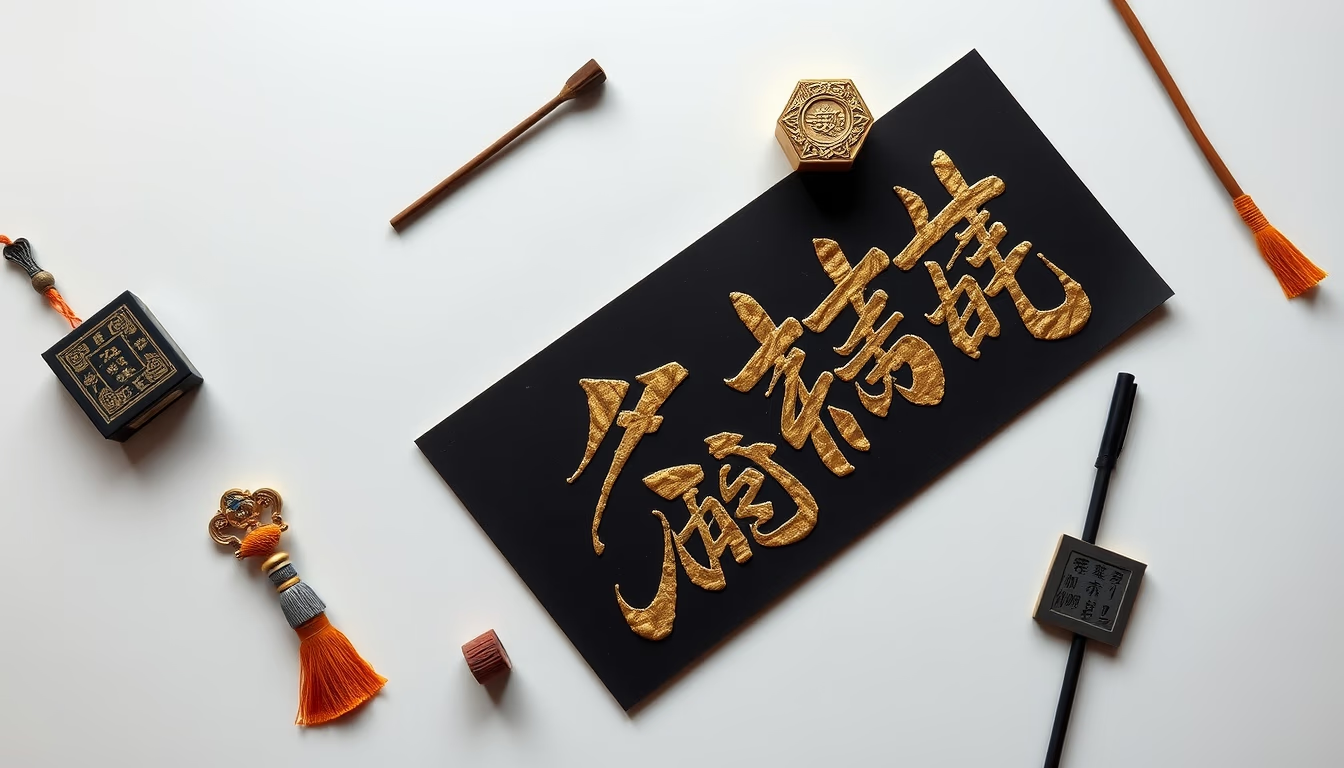
Caligrafia tibetana em ouro combina tradição milenar, escrita manual e pigmentos preciosos. Saiba como essa arte expressa o budismo tibetano.
Sobre o tema
A caligrafia tibetana é uma forma de arte milenar profundamente ligada ao budismo tibetano. Originada no século VII d.C., quando o Rei Songtsen Gampo enviou estudantes à Índia para desenvolver um sistema de escrita, a caligrafia tibetana utiliza dois estilos principais: o 'Uchen (cabeçalho) e o 'Umê (sem cabeçalho). O estilo 'Uchen é mais formal, usado em textos religiosos e monumentos, enquanto o 'Umê é mais cursivo, empregado para anotações e correspondências. A escrita tibetana é silábica e derivada da escrita Gupta indiana, com 30 consoantes e 4 vogais.
O uso de ouro na caligrafia tibetana remonta à tradição de iluminar manuscritos sagrados com pigmentos preciosos. Ouro em pó, misturado com goma-arábica ou outros aglutinantes, é aplicado com pincéis finos para criar letras brilhantes ou elementos decorativos. Essas peças são frequentemente encontradas em thangkas, textos canônicos e bandeiras de oração. O ouro simboliza a iluminação e a pureza do Dharma, e sua aplicação exige extrema precisão e paciência.
A caligrafia tibetana não é apenas uma técnica de escrita, mas também uma prática meditativa. Os monges calígrafos passam anos aperfeiçoando seus traços, acreditando que a beleza da letra reflete a qualidade mental do escriba. Hoje, a caligrafia tibetana em ouro é valorizada tanto como objeto de devoção quanto como arte colecionável, sendo preservada em mosteiros e por artesãos independentes.
Perguntas frequentes
O que é caligrafia tibetana?
É a arte de escrever o alfabeto tibetano, desenvolvido no século VII. Existem dois estilos principais: 'Uchen (formal) e 'Umê (cursivo). É usada principalmente em textos religiosos budistas.
Por que o ouro é usado na caligrafia tibetana?
O ouro simboliza a iluminação e a pureza espiritual. É aplicado em manuscritos sagrados e objetos religiosos para destacar a importância do conteúdo e como oferenda.
Como o ouro é aplicado na caligrafia?
O ouro em pó é misturado com um aglutinante como goma-arábica e aplicado com pincéis finíssimos. A técnica exige precisão e é frequentemente usada em letras capitais ou elementos decorativos.
URL direta
https://pub-c7d6a6ea828543ac903a74a341ccb2e1.r2.dev/imagens/tibetan-calligraphy-gold-isometric-flat-lay-fresh13.avifComo creditar
Inclua um link visível de volta pro UtilizAí. Copie um dos snippets abaixo:
<a href="https://xn--utiliza-eza.com/midia/imagens/tibetan-calligraphy-gold-isometric-flat-lay-fresh13">Tibetan calligraphy gold</a> by <a href="https://xn--utiliza-eza.com">UtilizAí</a>, licensed under <a href="https://creativecommons.org/licenses/by/4.0/">CC BY 4.0</a>.
[Tibetan calligraphy gold](https://xn--utiliza-eza.com/midia/imagens/tibetan-calligraphy-gold-isometric-flat-lay-fresh13) by [UtilizAí](https://xn--utiliza-eza.com), CC BY 4.0
Licença: CC-BY-4.0