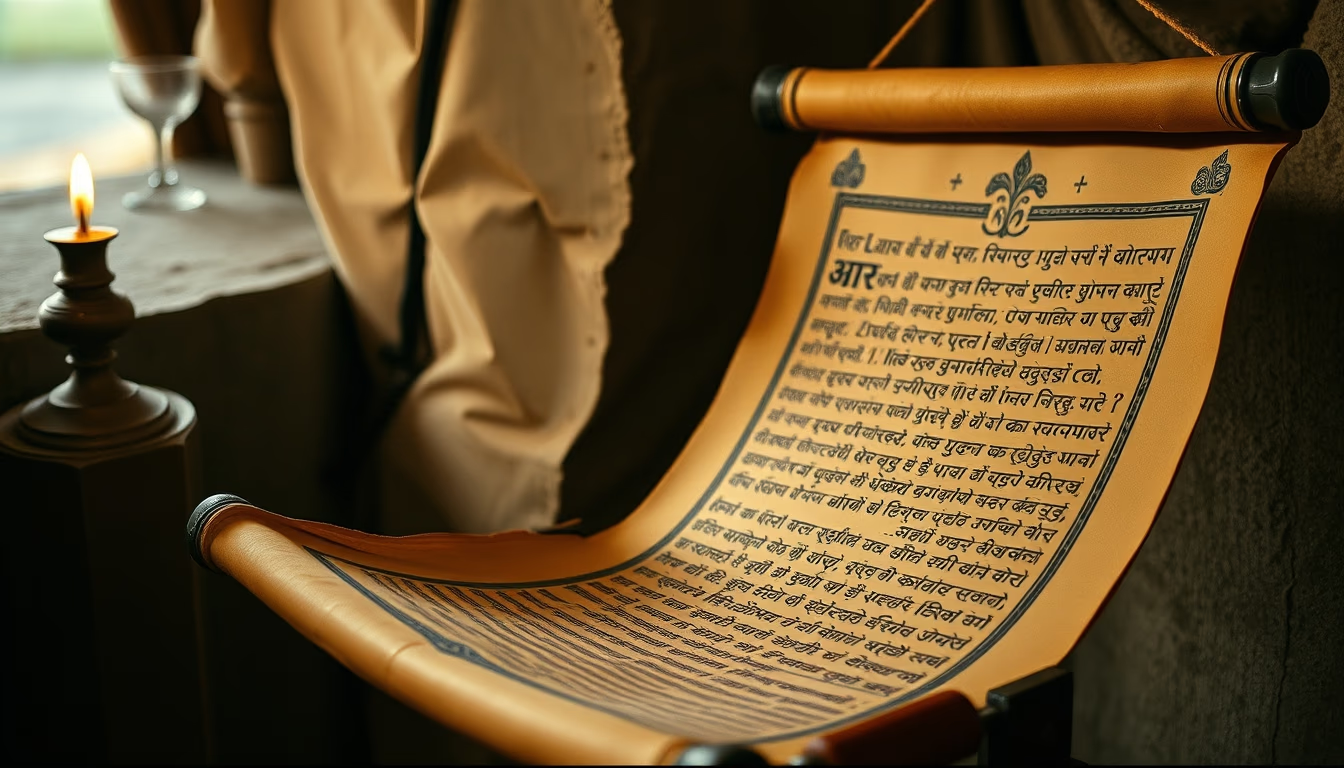
Tibetan calligraphy gold
1344×768 · AVIF · CC BY 4.0
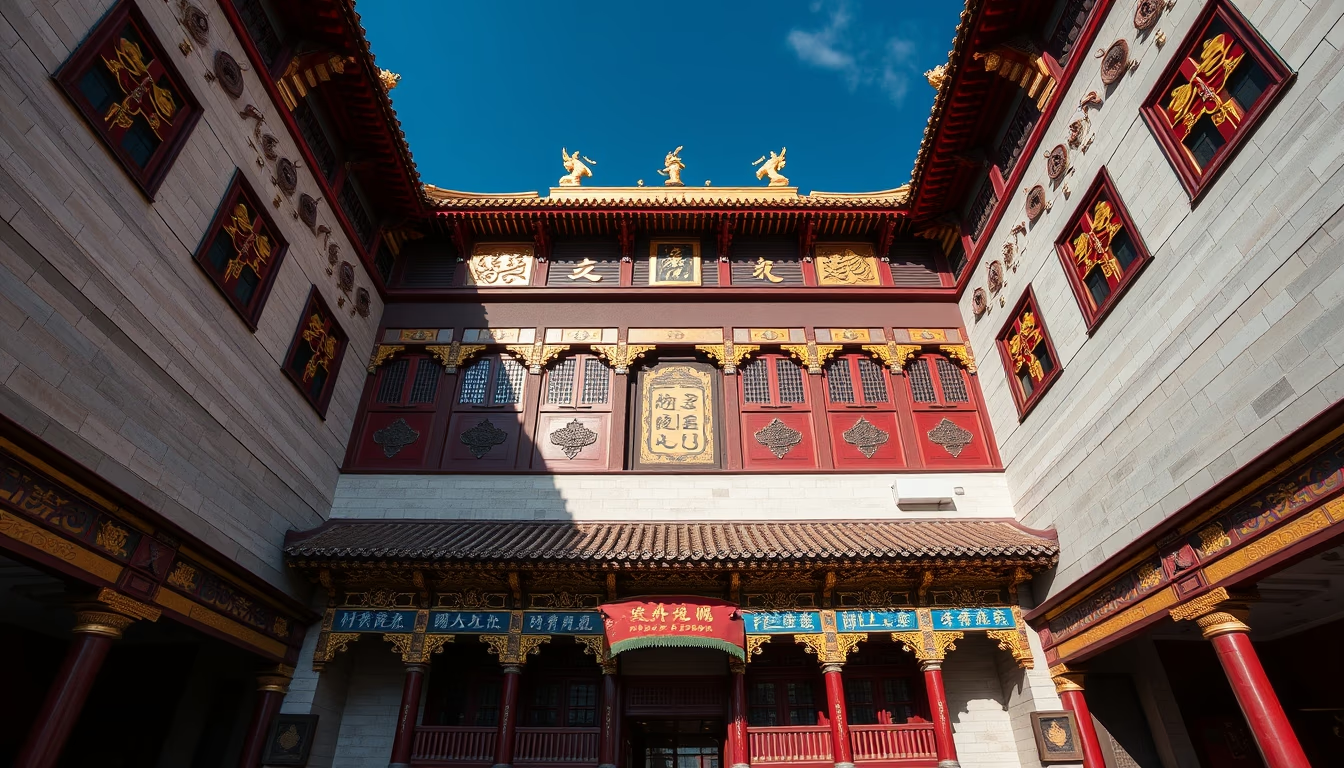
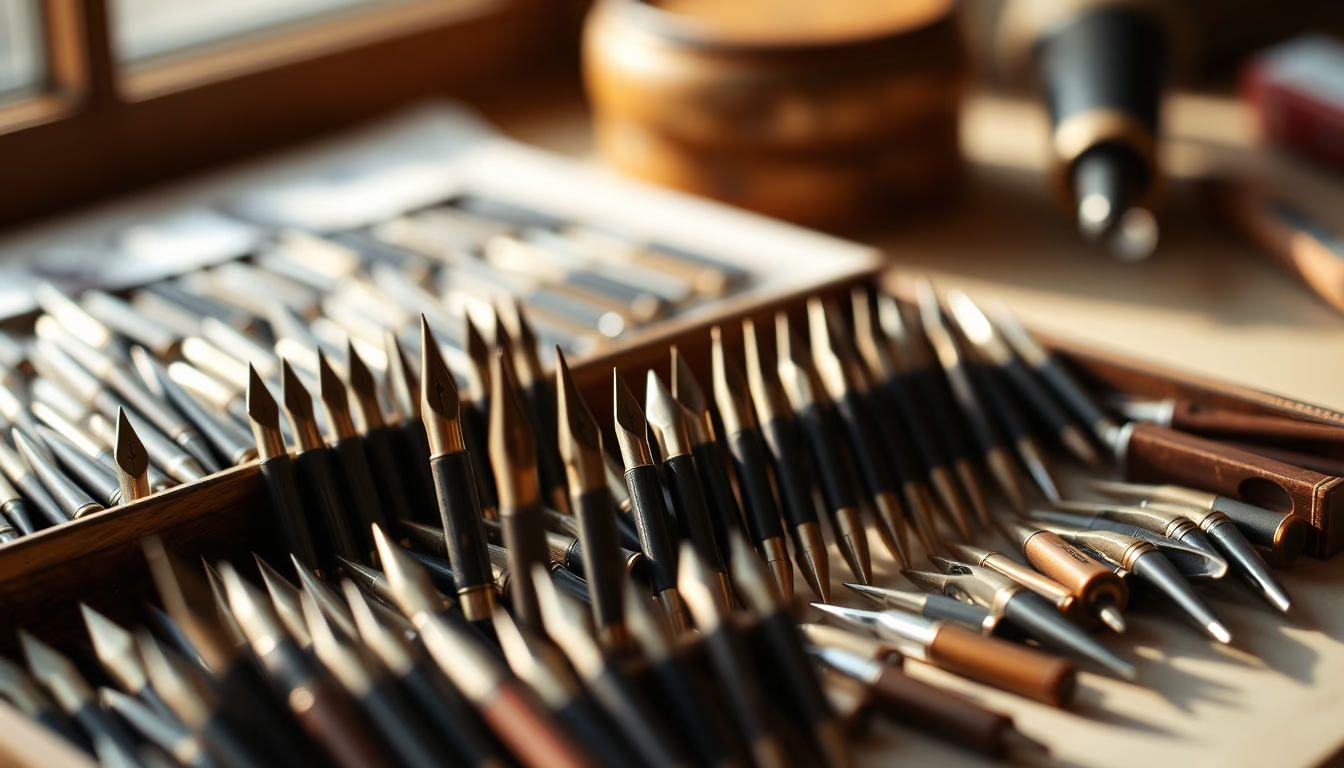
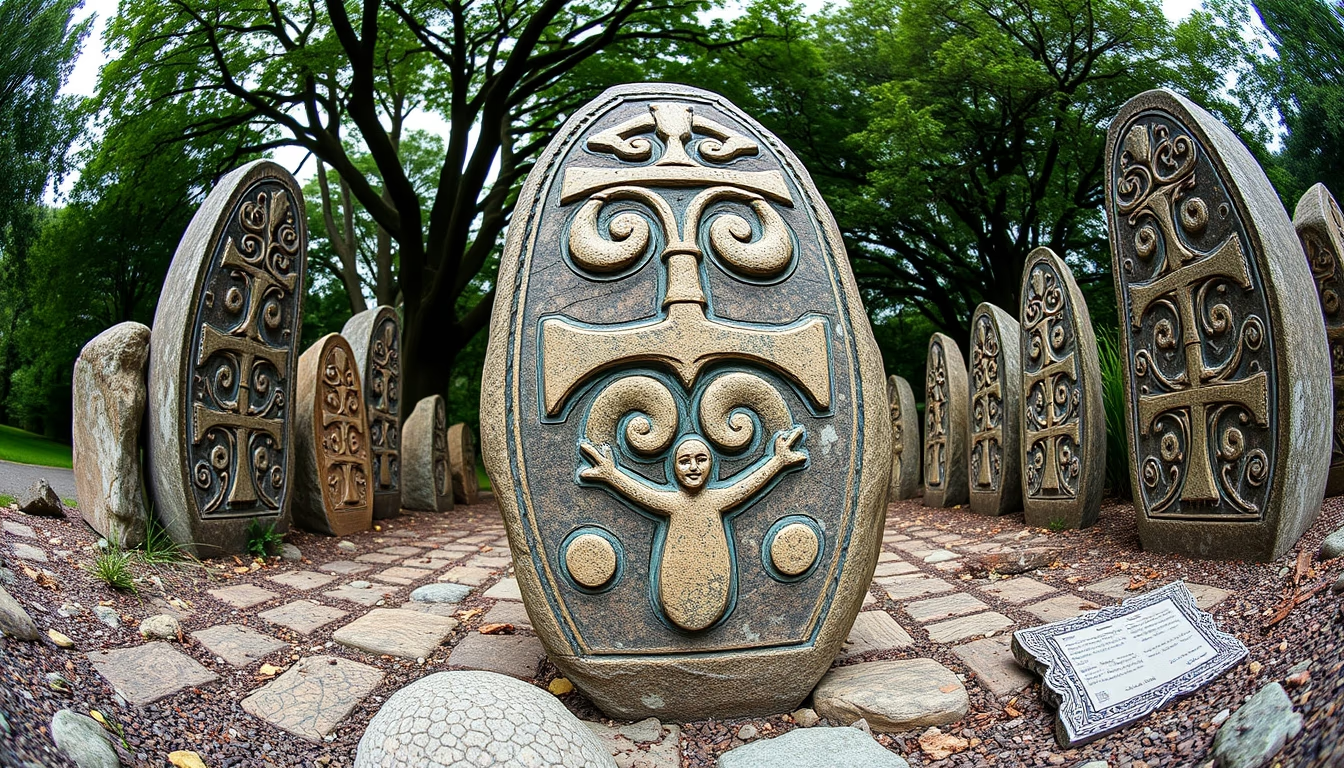
Tibetan gold calligraphy is a sacred art blending technical precision and spiritual symbolism, used in Buddhist texts and monastery murals.
About this subject
Tibetan gold calligraphy is one of the most revered artistic expressions in Tibetan Buddhism. Traditionally, scribes use gold powder mixed with animal glue and water, applied with fine bamboo brushes onto black or dark blue paper. This technique, called gser yig (golden writing), is reserved for sacred texts such as the Kangyur (Buddha's teachings) and Tengyur (commentaries), as well as for mantras and prayers on prayer flags and monastery murals. Gold symbolizes purity, enlightenment, and the precious nature of the Dharma; writing with gold is believed to accumulate spiritual merit.
The most common script style is Uchen (with head), characterized by straight, angular strokes, ideal for precision in lengthy texts. Ume (without head) is more cursive and used for annotations. Tibetan calligraphy requires years of training: the scribe must master breathing, posture, and concentration, as each stroke is made without corrections. In monasteries like Sera, Ganden, and Drepung, specialized monks dedicate themselves exclusively to copying scriptures in gold, a process that can take months or years for complete volumes.
Historically, gold calligraphy also adorned ritual objects, stupas, and temples. In the Potala Palace in Lhasa, entire murals were written with golden ink. The practice nearly disappeared during China's Cultural Revolution but saw a revival from the 1980s onward with the resurgence of Tibetan culture. Today, contemporary artists like Tashi Norbu and Karma Phuntsok combine traditional techniques with modern installations, including works on public buildings, explaining the link to architectural photography. Tibetan gold calligraphy is not merely art; it is a vessel for the cultural and spiritual preservation of Tibet.
Frequently Asked Questions
What is the spiritual significance of Tibetan gold calligraphy?
Gold represents purity and enlightenment. Writing sacred texts with gold ink is an act of devotion that accumulates merit and preserves Buddhist teachings.
What are the main styles of Tibetan calligraphy?
The two main styles are Uchen (with head), straight and angular, ideal for religious texts, and Ume (without head), more cursive, used for annotations and manuscripts.
Where can I see historical examples of Tibetan gold calligraphy?
At the Potala Palace (Lhasa), monasteries like Sera, Ganden, and Drepung, and museums such as the Tibet Museum. Modern works also appear on public buildings, often captured in architectural photography.
Direct URL
https://pub-c7d6a6ea828543ac903a74a341ccb2e1.r2.dev/imagens/tibetan-calligraphy-gold-architectural-photography-fresh8.avifHow to credit
Include a visible link back to UtilizAí. Copy one of the snippets below:
<a href="https://xn--utiliza-eza.com/en/midia/imagens/tibetan-calligraphy-gold-architectural-photography-fresh8">Tibetan calligraphy gold</a> by <a href="https://xn--utiliza-eza.com">UtilizAí</a>, licensed under <a href="https://creativecommons.org/licenses/by/4.0/">CC BY 4.0</a>.
[Tibetan calligraphy gold](https://xn--utiliza-eza.com/en/midia/imagens/tibetan-calligraphy-gold-architectural-photography-fresh8) by [UtilizAí](https://xn--utiliza-eza.com), CC BY 4.0
License: CC-BY-4.0