Teddy bear vintage worn
1344×768 · AVIF · CC BY 4.0
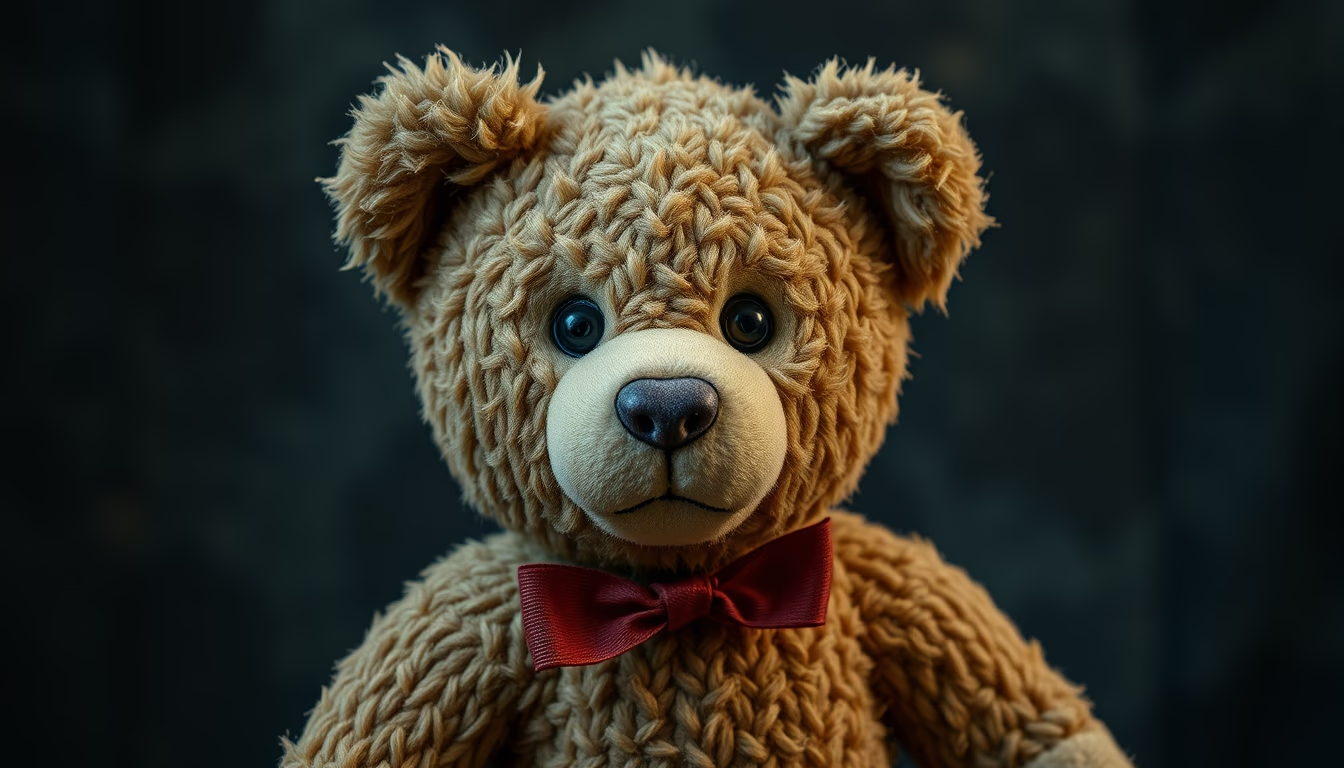
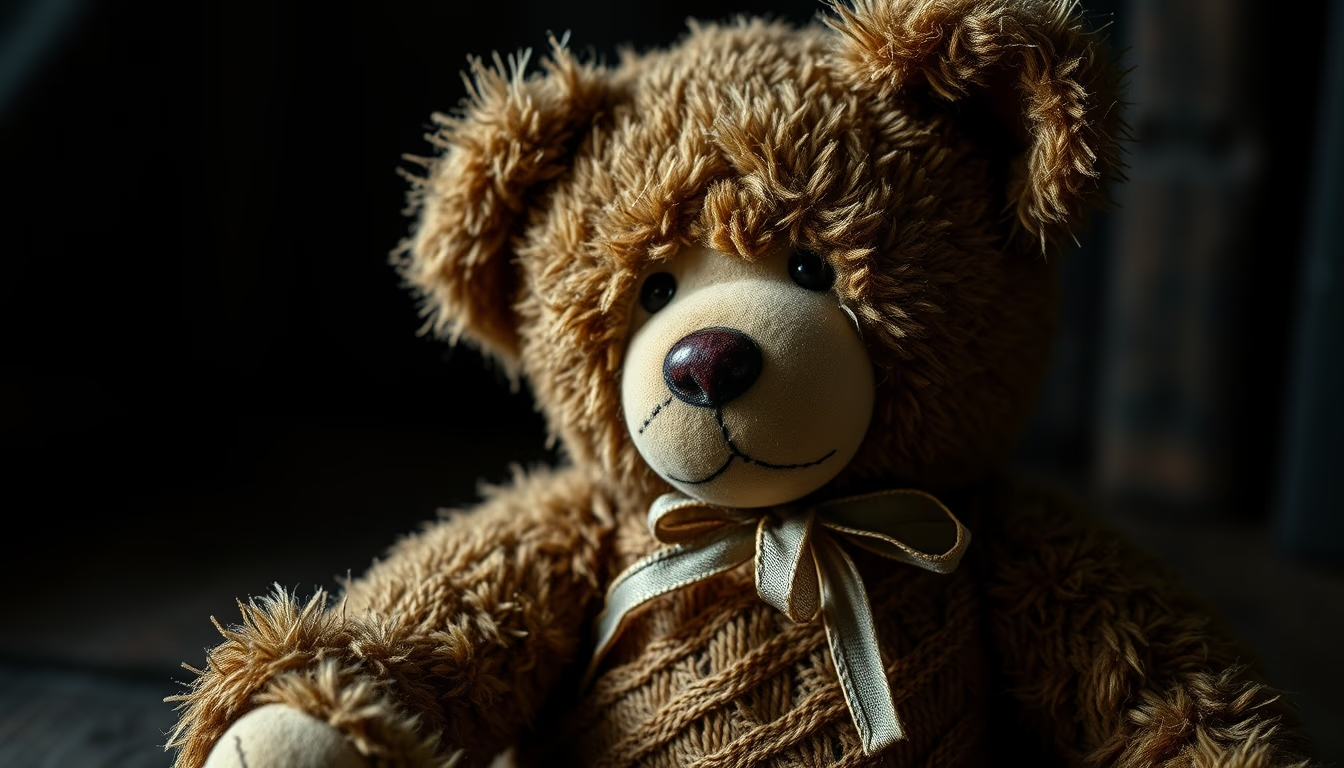
Vintage worn teddy bears carry decades of history and affection, now coveted by collectors and a source of inspiration in the fashion world.
About this subject
The teddy bear originated in 1902 in the United States after President Theodore Roosevelt refused to shoot a captive bear during a hunt. This story inspired the toy that quickly became a childhood icon. Early examples were made of mohair, a fabric woven from the hair of Angora goats, and stuffed with kapok, straw, or wood wool. Over time, these natural materials undergo wear: mohair can lose its pile, develop bald patches, or be damaged by moths. Glass eyes may darken or fall out, and the stuffing can harden or mold depending on storage conditions.
A vintage worn teddy bear is more than just a toy; it is a testament to the love it received over the years. Signs of use such as mended seams, threadbare fur, or a missing ear tell stories of generations of children who hugged it. These aging marks are valued by collectors because they indicate authenticity and provenance. Original pieces from the 1900s to 1950s, particularly those made by Steiff, Bing, or Ilfelder, can fetch high prices at auctions, especially if they retain their label or rare features.
The aesthetic appeal of the vintage worn teddy bear transcends collecting. High fashion and editorial photography often use these toys as props or set elements to evoke nostalgia, exclusivity, and a contrast between luxury and simplicity. The rough texture of threadbare mohair against fine fabrics, the faded color palette, and the imperfect shape create visually powerful compositions. Moreover, the movement of customizing clothing and making artisanal repairs to give old bears new life has gained traction among enthusiasts, blending restoration techniques with contemporary design.
For those wishing to acquire a vintage teddy bear, it is important to check provenance, condition, and whether there are signs of restoration. Heavily damaged pieces lose collection value but may have decorative appeal. Authenticating brands like Steiff involves checking the button in the ear or the metal badge. Despite the wear, the fascination with these bears endures, connecting past and present in an affective and material way.
Frequently Asked Questions
What is the origin of the teddy bear?
The teddy bear originated in 1902 after President Theodore Roosevelt refused to shoot a captive bear during a hunt. This event inspired a plush bear that became a global icon.
How can I identify an authentic vintage teddy bear?
Check materials like mohair and natural stuffing, look for labels or buttons from manufacturers such as Steiff or Bing, and observe age-consistent wear. Darkened glass eyes and hand stitching are good indicators.
Why are worn teddy bears valued in the fashion world?
Their textures, imperfections, and patina create an aesthetic contrast with luxury pieces, evoking nostalgia and authenticity. They are used in editorials to compose scenes that blend fashion and history.
Direct URL
https://pub-c7d6a6ea828543ac903a74a341ccb2e1.r2.dev/imagens/teddy-bear-vintage-worn-high-fashion-editorial-fresh1.avifHow to credit
Include a visible link back to UtilizAí. Copy one of the snippets below:
<a href="https://xn--utiliza-eza.com/en/midia/imagens/teddy-bear-vintage-worn-high-fashion-editorial-fresh1">Teddy bear vintage worn</a> by <a href="https://xn--utiliza-eza.com">UtilizAí</a>, licensed under <a href="https://creativecommons.org/licenses/by/4.0/">CC BY 4.0</a>.
[Teddy bear vintage worn](https://xn--utiliza-eza.com/en/midia/imagens/teddy-bear-vintage-worn-high-fashion-editorial-fresh1) by [UtilizAí](https://xn--utiliza-eza.com), CC BY 4.0
License: CC-BY-4.0