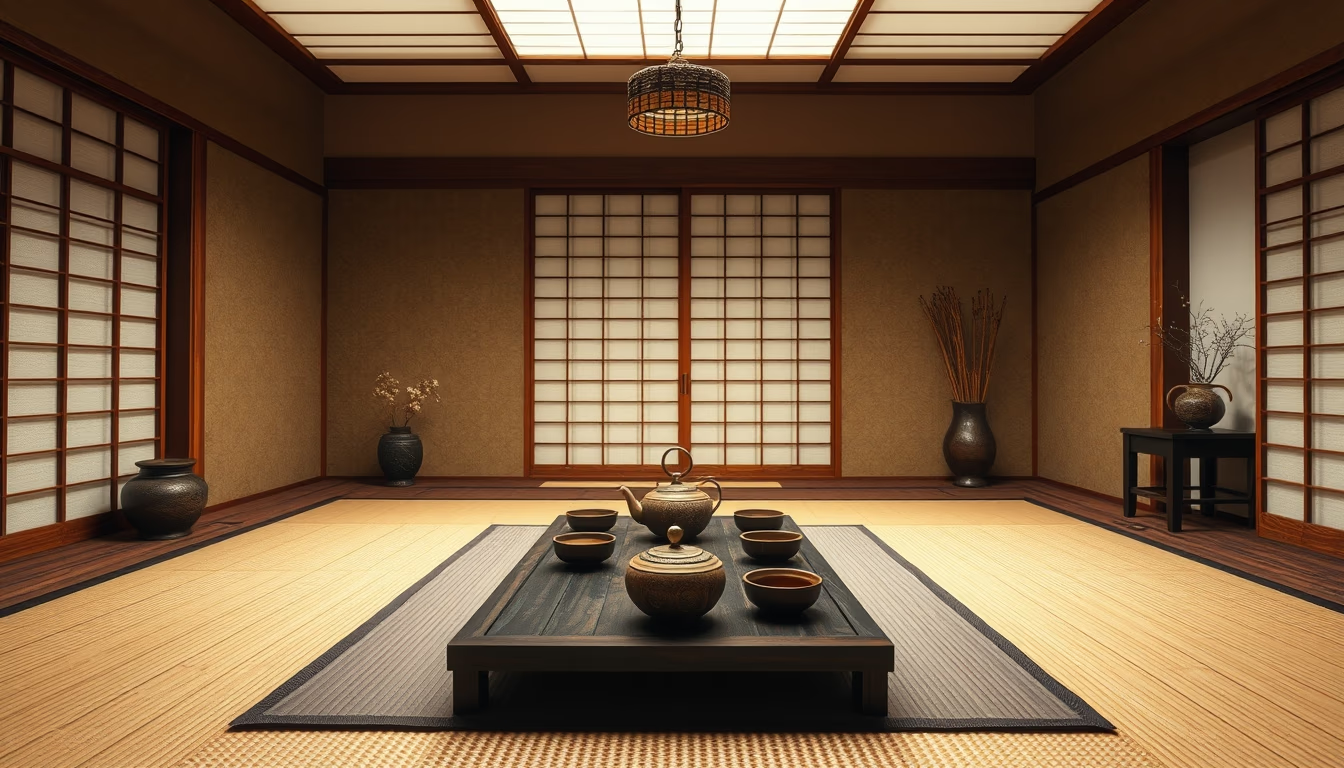
Tea room tatami
1344×768 · AVIF · CC BY 4.0
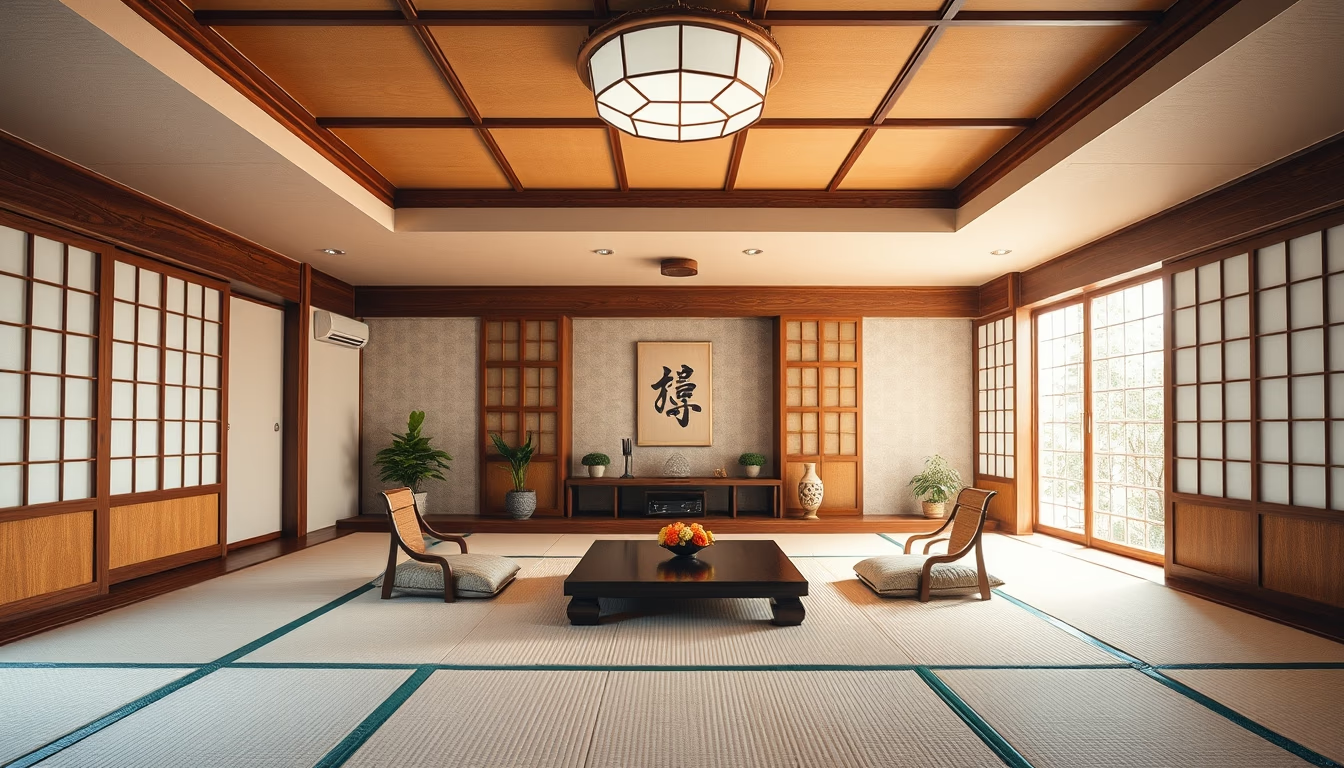
In a Japanese tea room, tatami mats are not just flooring but a ritualistic element that defines the aesthetics and practice of the tea ceremony.
About this subject
Tatami mats are a fundamental element of traditional Japanese architecture, especially in tea rooms (chashitsu). Made from compressed rice straw and covered with a rush grass (igusa) surface, a standard tatami mat measures approximately 90 cm by 180 cm, with a thickness of 5 to 6 cm. In the tea ceremony, tatami serve not only as flooring but as a demarcation of sacred space. The arrangement of tatami in the room follows precise rules, reflecting the concepts of wabi-sabi (beauty in imperfection) and ichigo ichie (each encounter is unique).
The choice of tatami directly influences the sensory experience of the ceremony. The soft texture, natural straw aroma, and pleasant thermal sensation under bare feet contribute to an atmosphere of tranquility and introspection. Moreover, tatami provide a reference for utensil placement: the portable brazier (furo) is placed on a specific mat, and the host and guests sit in prescribed postures according to the tea school tradition (such as Urasenke or Omotesenke).
Historically, tatami originated in the Heian period (794, 1185) as portable mats for the nobility. During the Muromachi period (1336, 1573), with the development of the tea ceremony by masters like Sen no Rikyū, tatami became fixed and standardized, symbolizing a shift from aristocratic culture to an accessible spiritual practice. Today, even in modern buildings, traditional tea rooms preserve the use of tatami, which are considered intangible cultural heritage.
Interestingly, the lifespan of a tatami mat is about 5 to 10 years, depending on use and maintenance. Replacing tatami is itself a ritual, often performed by specialized artisans. The direction of the fibers and the color (which changes from green to yellowish over time) also carry aesthetic and practical meanings, such as moisture absorption and natural ventilation of the room.
Frequently Asked Questions
Why is tatami important in the tea ceremony?
Tatami define the ritual space, provides thermal comfort and texture for barefoot participants, and guides the placement of utensils and participants according to traditional rules.
What is the standard size of a tatami mat used in tea rooms?
A traditional tatami mat is approximately 90 cm wide by 180 cm long, with a thickness of 5 to 6 cm. This measurement varies slightly by region in Japan.
How are tatami mats made and maintained?
They are made from compressed rice straw covered with woven rush grass (igusa). Maintenance includes dry cleaning and sun exposure; replacement occurs every 5, 10 years to preserve aroma and texture.
Direct URL
https://pub-c7d6a6ea828543ac903a74a341ccb2e1.r2.dev/imagens/tea-room-tatami-architectural-photography-fresh15.avifHow to credit
Include a visible link back to UtilizAí. Copy one of the snippets below:
<a href="https://xn--utiliza-eza.com/en/midia/imagens/tea-room-tatami-architectural-photography-fresh15">Tea room tatami</a> by <a href="https://xn--utiliza-eza.com">UtilizAí</a>, licensed under <a href="https://creativecommons.org/licenses/by/4.0/">CC BY 4.0</a>.
[Tea room tatami](https://xn--utiliza-eza.com/en/midia/imagens/tea-room-tatami-architectural-photography-fresh15) by [UtilizAí](https://xn--utiliza-eza.com), CC BY 4.0
License: CC-BY-4.0