Tea ritual ceremony
1344×768 · AVIF · CC BY 4.0
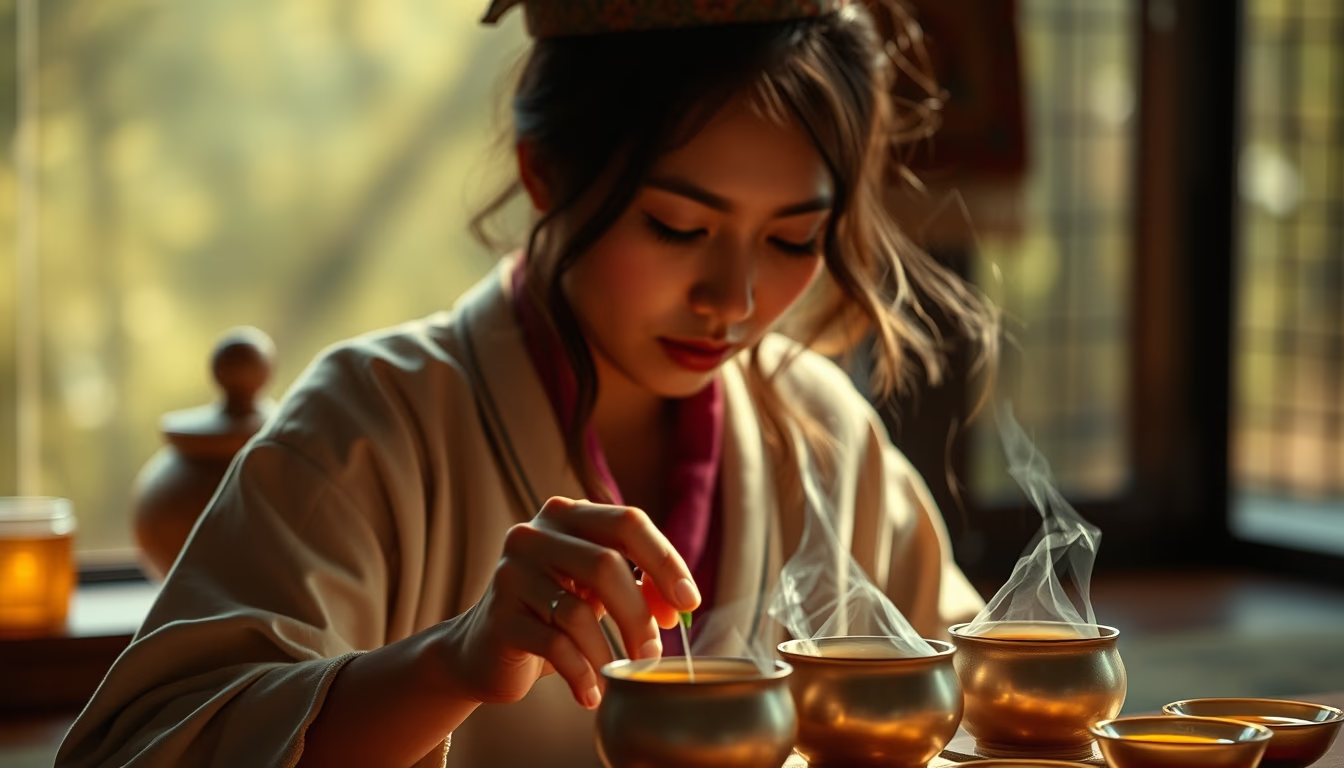
Tea is more than a drink: ancient ceremonies unveil spirituality, hospitality, and art in Asian cultures and beyond.
About this subject
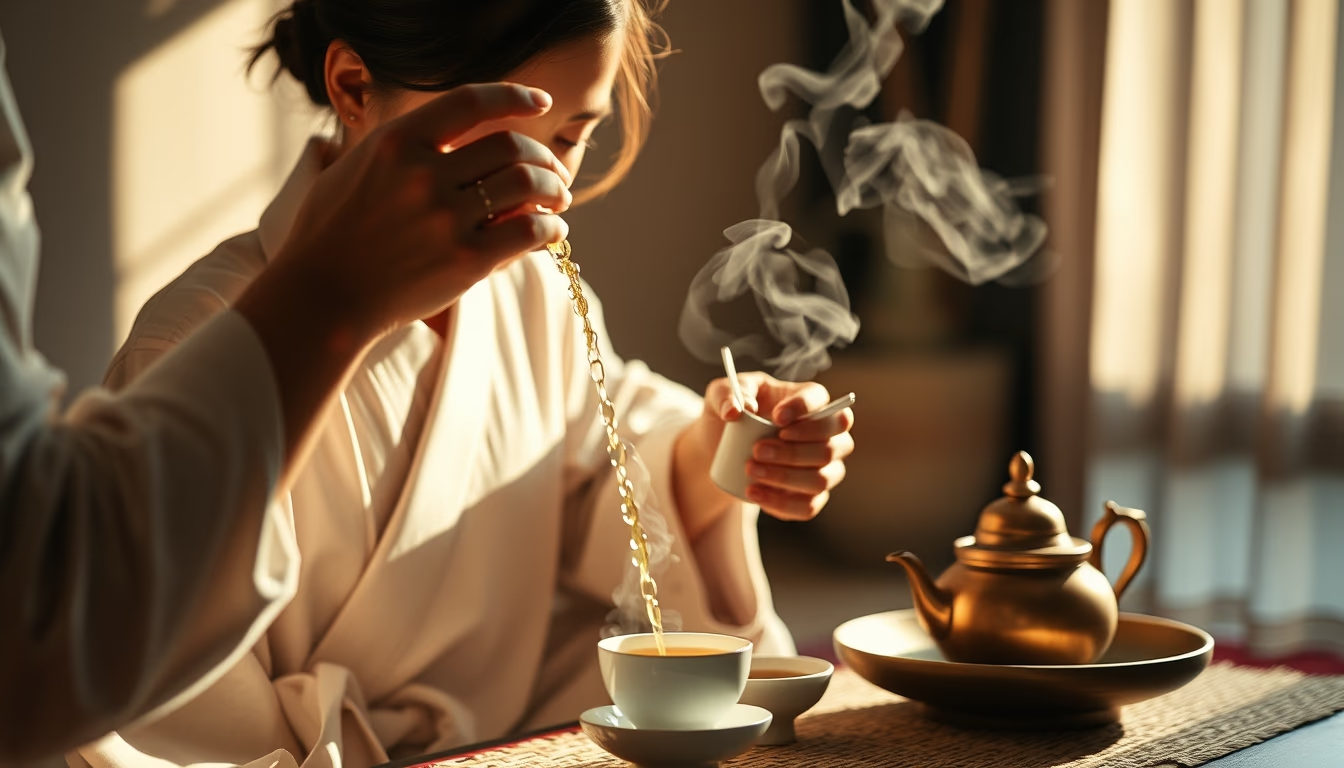
Tea ceremonies are rituals deeply rooted in Asian traditions, especially in Japan, China, and Korea. In Japan, the tea ceremony (chanoyu) is a Zen practice emphasizing harmony, respect, purity, and tranquility. Every movement is choreographed, from preparing matcha to serving and receiving the bowl. The setting is carefully decorated with flower arrangements (ikebana) and calligraphy, creating a contemplative atmosphere.
In China, the tea ceremony (gongfu cha) focuses on brewing technique and sensory appreciation. Small amounts of leaves are used in multiple infusions, highlighting flavor evolution. The ritual is common in Fujian and Guangdong provinces, where oolong tea is often used. Chinese tea art dates back to the Tang dynasty (8th century) and deeply influenced Japanese culture.
In Korea, the tea ceremony (darye) is simpler and less formal, yet carries strong meanings of hospitality and connection with nature. Green tea is the most traditional, served in small bowls. These rituals are not only about drinking tea; they are moments of meditation, socialization, and aesthetic appreciation.
Interestingly, tea ceremonies have also spread to the West, adapted into formats like British afternoon tea. However, Eastern versions maintain a spiritual depth that transcends mere hydration. In contemporary times, these traditions gain new relevance as mindfulness and slow living practices.
Frequently Asked Questions
What is the difference between Japanese and Chinese tea ceremonies?
The Japanese ceremony (chanoyu) is highly ritualistic and Zen-influenced, focusing on spirituality and minimalist aesthetics. The Chinese ceremony (gongfu cha) emphasizes brewing technique and flavor appreciation, with multiple infusions in small clay teapots.
What does matcha mean in a tea ceremony?
Matcha is powdered green tea used in the Japanese ceremony. It is whisked with hot water until frothy. The preparation and consumption are meditative acts, and every detail carries symbolic meaning.
Can I learn to perform a tea ceremony at home?
Yes, simplified versions can be practiced. For the Japanese one, study basic movements and acquire tools like a chawan (bowl) and chasen (whisk). For the Chinese, focus on water temperature and steeping time. Books and online videos can help.
Direct URL
https://pub-c7d6a6ea828543ac903a74a341ccb2e1.r2.dev/imagens/tea-ritual-ceremony-fine-art-photography-p5.avifHow to credit
Include a visible link back to UtilizAí. Copy one of the snippets below:
<a href="https://xn--utiliza-eza.com/en/midia/imagens/tea-ritual-ceremony-fine-art-photography-p5">Tea ritual ceremony</a> by <a href="https://xn--utiliza-eza.com">UtilizAí</a>, licensed under <a href="https://creativecommons.org/licenses/by/4.0/">CC BY 4.0</a>.
[Tea ritual ceremony](https://xn--utiliza-eza.com/en/midia/imagens/tea-ritual-ceremony-fine-art-photography-p5) by [UtilizAí](https://xn--utiliza-eza.com), CC BY 4.0
License: CC-BY-4.0