Sushi rolls colorful
1344×768 · AVIF · CC BY 4.0
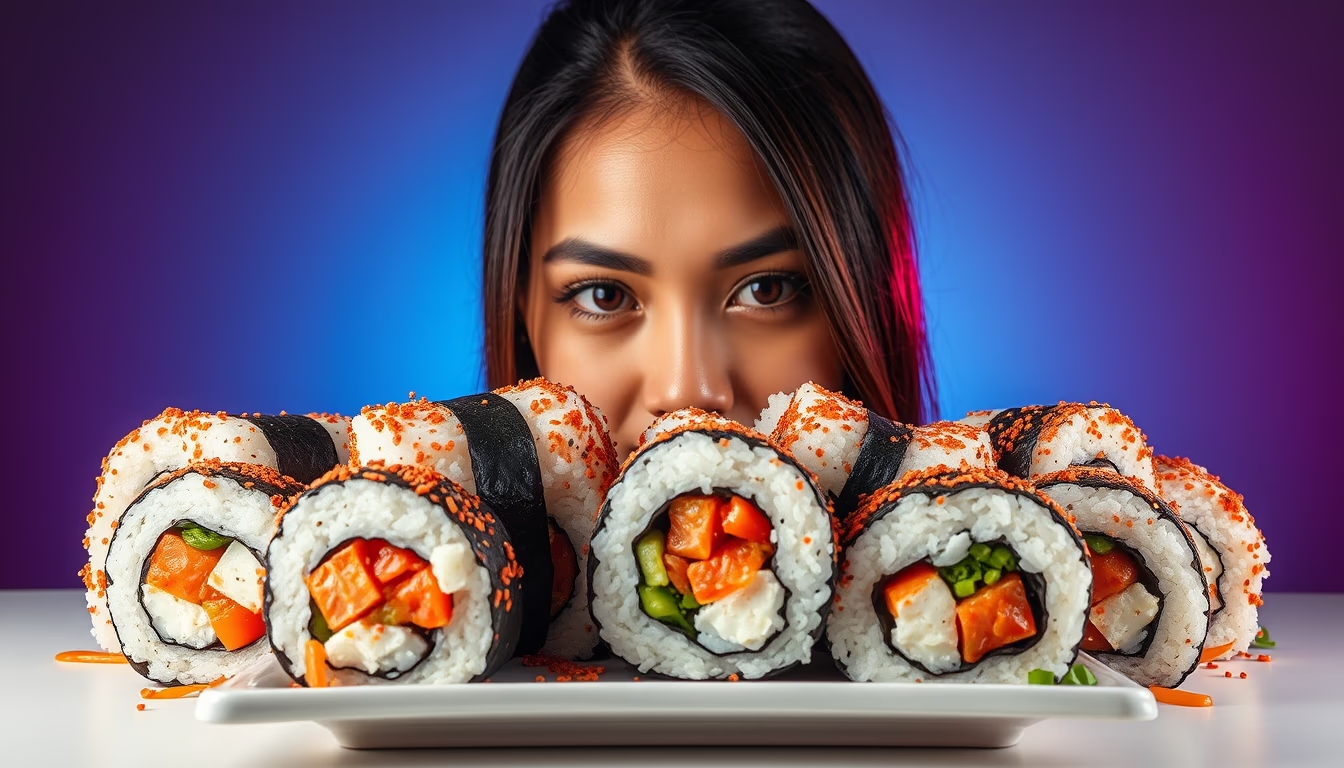
Colorful sushi rolls are a modern take on traditional Japanese sushi, featuring seasoned rice and fresh fillings wrapped in nori, popular worldwide for their vibrant look and taste.
About this subject
Colorful sushi rolls are a contemporary variation of traditional Japanese sushi, which gained global popularity in the 20th century. Unlike nigiri or sashimi, rolls (makizushi) consist of vinegared rice and various fillings wrapped in a sheet of nori seaweed. The vibrant colors come not only from natural ingredients like orange salmon, green avocado, and yellow fish roe, but also from techniques such as using rice colored with beetroot powder or turmeric.
In Brazil, sushi rolls have unique adaptations, such as temaki and uramaki (rice on the outside). Colorful rolls often appear at Japanese food buffets and parties, symbolizing the culinary fusion between Japan and the West. The careful presentation, with slices arranged side by side, highlights colors and textures, making the dish as visually appealing as it is delicious.
Ingredients like cream cheese, mango, and sweet sauces are common in Brazilian rolls, setting them apart from traditional Japanese ones. The preparation technique requires short-grain rice, rice vinegar, sugar, and salt, plus a bamboo mat for rolling. The popularity of sushi rolls surged in the United States in the 1960s with the creation of the California Roll (crab, avocado, and cucumber). Today, they are found in restaurants worldwide, often customized with local ingredients.
Beyond aesthetics, colorful rolls offer a balanced combination of carbohydrates, proteins, and healthy fats. Omega-3 from salmon, fiber from avocado, and antioxidants from pickled ginger (gari) provide nutritional benefits. Wasabi, served as a condiment, has antibacterial properties. The experience of eating sushi goes beyond taste: it involves the culture of sharing and appreciation of meticulous presentation.
Frequently Asked Questions
What is the difference between sushi rolls and other types of sushi?
Sushi rolls (makizushi) are wrapped with rice and fillings in nori seaweed, sliced into pieces. Nigiri is a rice ball topped with fish, and sashimi is just slices of raw fish. Rolls can be uramaki (rice outside) or temaki (cone).
Why are sushi rolls colorful?
The color comes from natural ingredients: salmon (orange), avocado (green), fish roe (orange/yellow), cucumber (light green), and even rice tinted with beetroot or turmeric. Slicing displays contrasting colors.
Are sushi rolls healthy?
Yes, in moderation. They provide lean protein, healthy fats (omega-3), fiber, and carbs. However, versions with cream cheese and sauces can be higher in calories. Ginger and wasabi offer additional benefits.
Direct URL
https://pub-c7d6a6ea828543ac903a74a341ccb2e1.r2.dev/imagens/sushi-rolls-colorful-studio-editorial-portrait-p3.avifHow to credit
Include a visible link back to UtilizAí. Copy one of the snippets below:
<a href="https://xn--utiliza-eza.com/en/midia/imagens/sushi-rolls-colorful-studio-editorial-portrait-p3">Sushi rolls colorful</a> by <a href="https://xn--utiliza-eza.com">UtilizAí</a>, licensed under <a href="https://creativecommons.org/licenses/by/4.0/">CC BY 4.0</a>.
[Sushi rolls colorful](https://xn--utiliza-eza.com/en/midia/imagens/sushi-rolls-colorful-studio-editorial-portrait-p3) by [UtilizAí](https://xn--utiliza-eza.com), CC BY 4.0
License: CC-BY-4.0