Sushi rolls colorful
1344×768 · AVIF · CC BY 4.0
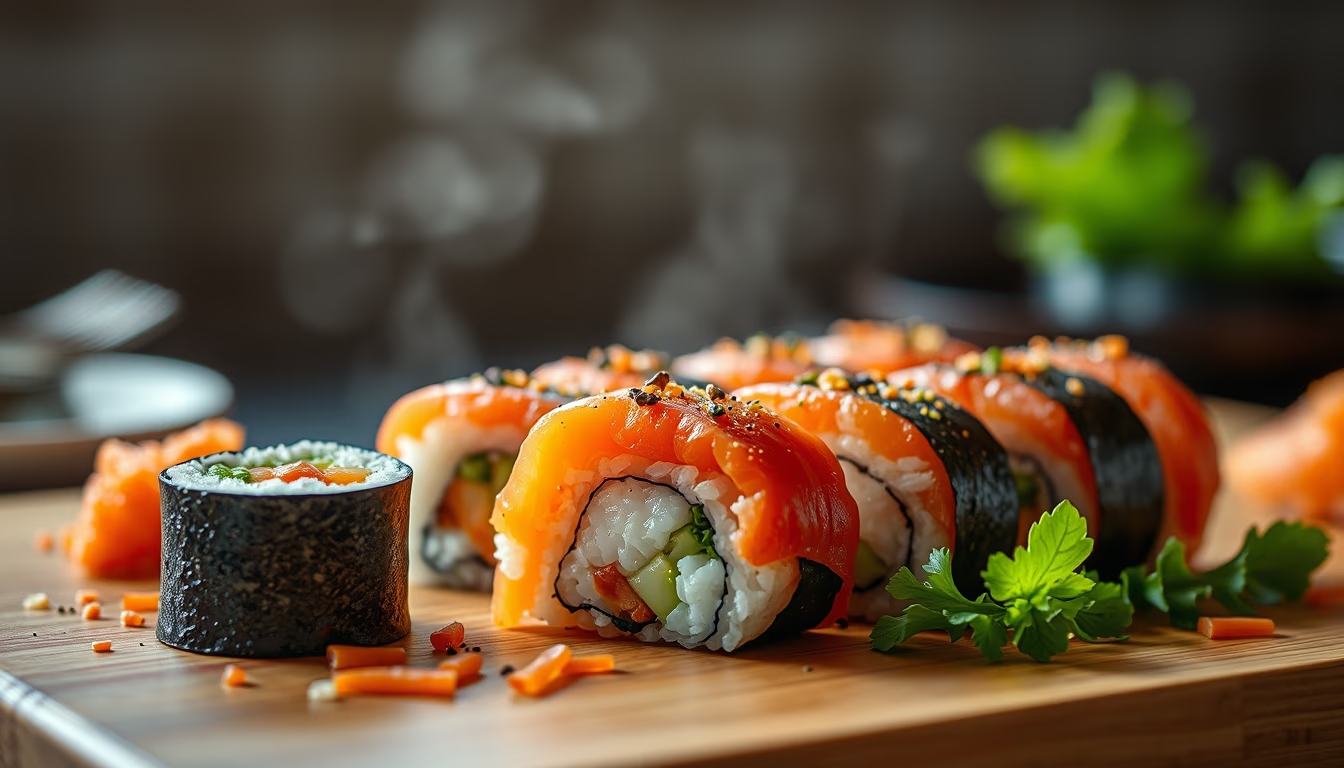
Colorful sushi rolls combine seasoned rice, nori seaweed, and diverse fillings like salmon, avocado, and cucumber, creating a visually appealing and nutritious meal.
About this subject
Sushi rolls, known as makizushi in Japan, are one of the most popular forms of sushi worldwide. They consist of vinegared rice wrapped in a sheet of nori seaweed, with fillings ranging from raw fish to vegetables and egg. The colorful version typically incorporates ingredients like orange salmon, green avocado, light cucumber, and yellow mango, creating a visual contrast that stimulates appetite.
The popularization of sushi in the West began in the 1970s in the United States with the creation of the California roll, which replaced raw fish with crab and avocado. Since then, rolls have evolved to include creative combinations such as the Philadelphia roll with cream cheese and smoked salmon, and the tempura roll with battered shrimp. These adaptations made sushi accessible to palates that were hesitant about raw fish.
Nutritionally, sushi rolls offer a balanced meal: rice provides carbohydrates, fish (like salmon and tuna) is rich in omega-3 fatty acids, and vegetables add fiber and vitamins. Nori seaweed is a source of iodine and minerals. However, sodium content can be high due to soy sauce and seasoned rice, and some fried or cream cheese rolls increase calories and fats.
Culturally, sushi in Japan is an art form that values simplicity and seasonality of ingredients. Traditional makizushi such as hosomaki (thin roll) and futomaki (thick roll) are served on special occasions. In Brazil, sushi has integrated into local cuisine with ingredients like cream cheese, mango, and even chili, reflecting the creativity of Brazilian chefs.
Frequently Asked Questions
What are typical ingredients in a colorful sushi roll?
Common ingredients include salmon, avocado, cucumber, mango, cream cheese, seasoned rice, and nori seaweed. The variety of colors comes from different fish, vegetables, and fruits used.
Is sushi roll healthy?
Yes, it can be a healthy option due to lean protein, healthy fats, and vegetables. However, fried versions or those with lots of cream cheese and sauces can be high in calories and sodium.
What is the difference between makizushi and nigiri?
Makizushi (roll) is rice and fillings wrapped in nori and sliced into rounds. Nigiri is a hand-pressed mound of rice topped with a slice of fish or other ingredient.
Direct URL
https://pub-c7d6a6ea828543ac903a74a341ccb2e1.r2.dev/imagens/sushi-rolls-colorful-documentary-photography-p1.avifHow to credit
Include a visible link back to UtilizAí. Copy one of the snippets below:
<a href="https://xn--utiliza-eza.com/en/midia/imagens/sushi-rolls-colorful-documentary-photography-p1">Sushi rolls colorful</a> by <a href="https://xn--utiliza-eza.com">UtilizAí</a>, licensed under <a href="https://creativecommons.org/licenses/by/4.0/">CC BY 4.0</a>.
[Sushi rolls colorful](https://xn--utiliza-eza.com/en/midia/imagens/sushi-rolls-colorful-documentary-photography-p1) by [UtilizAí](https://xn--utiliza-eza.com), CC BY 4.0
License: CC-BY-4.0