Storyboard sketches
1344×768 · AVIF · CC BY 4.0
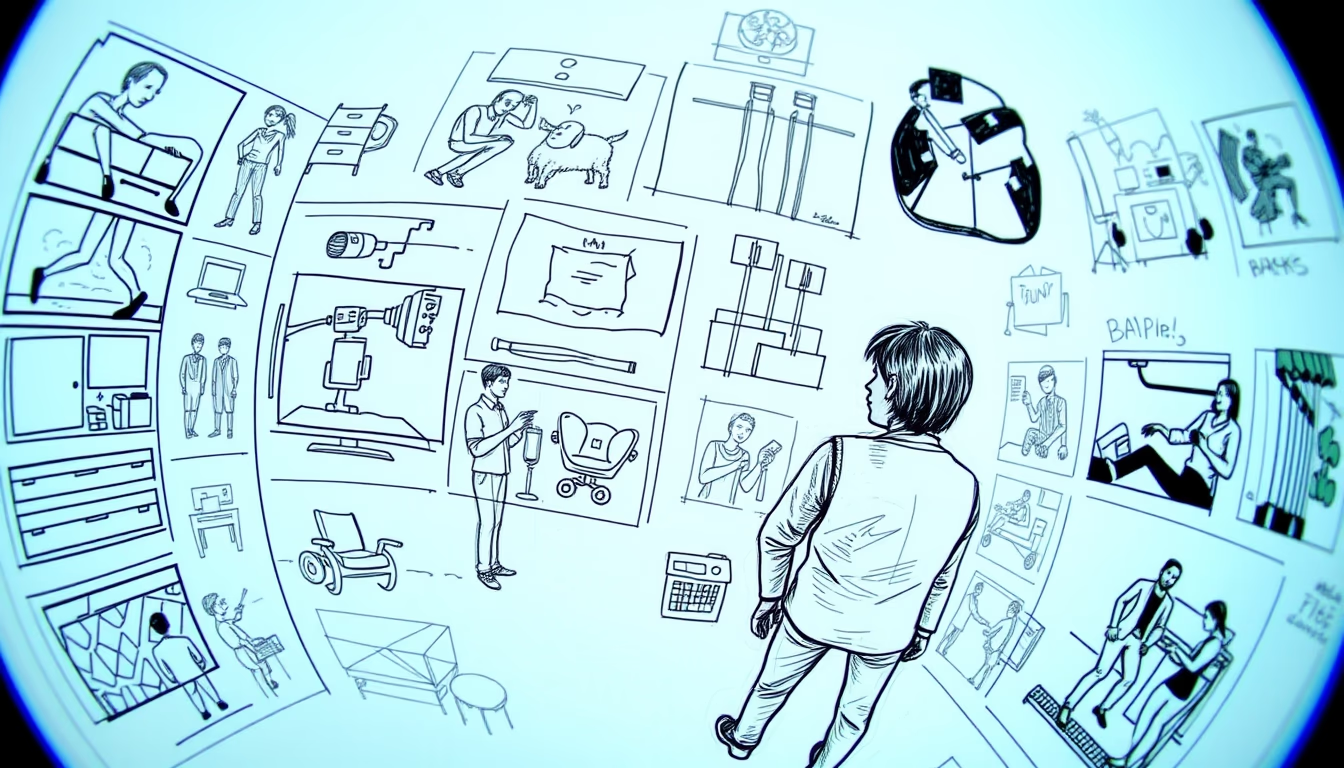
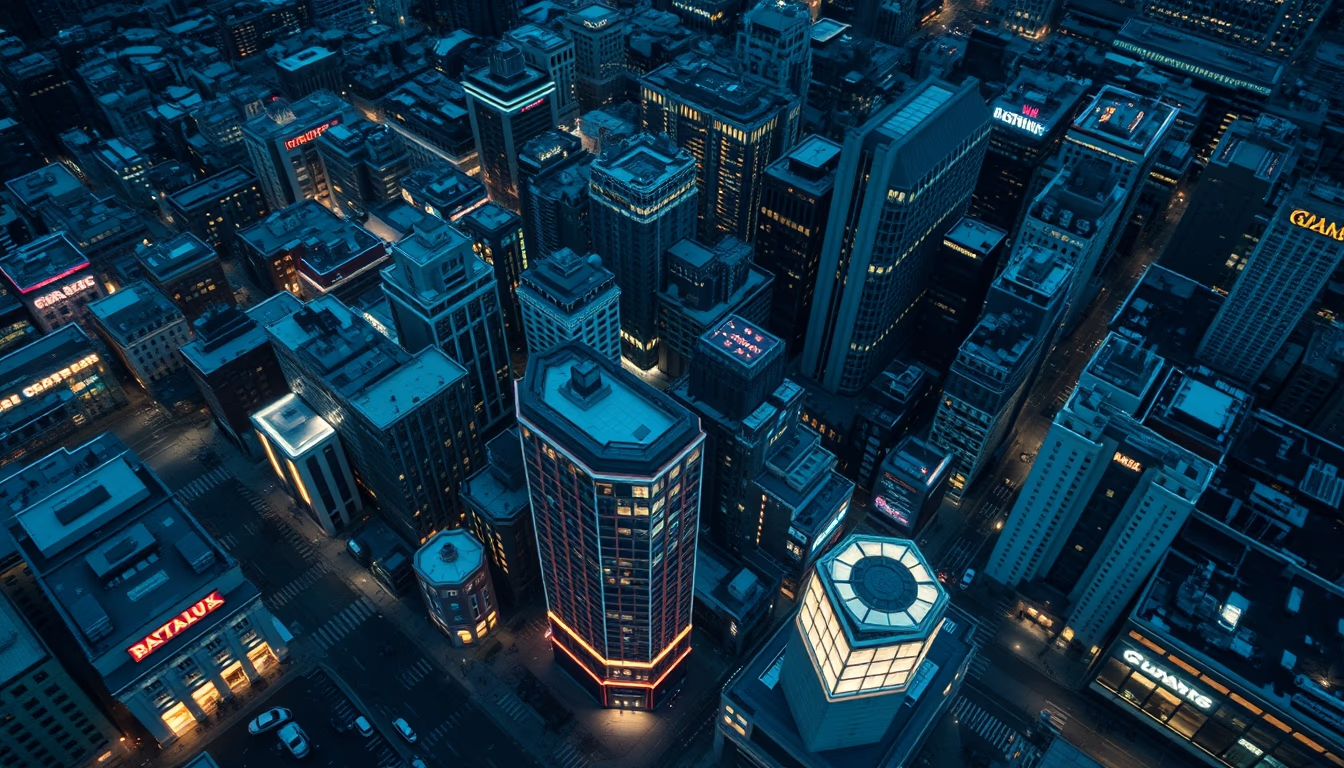
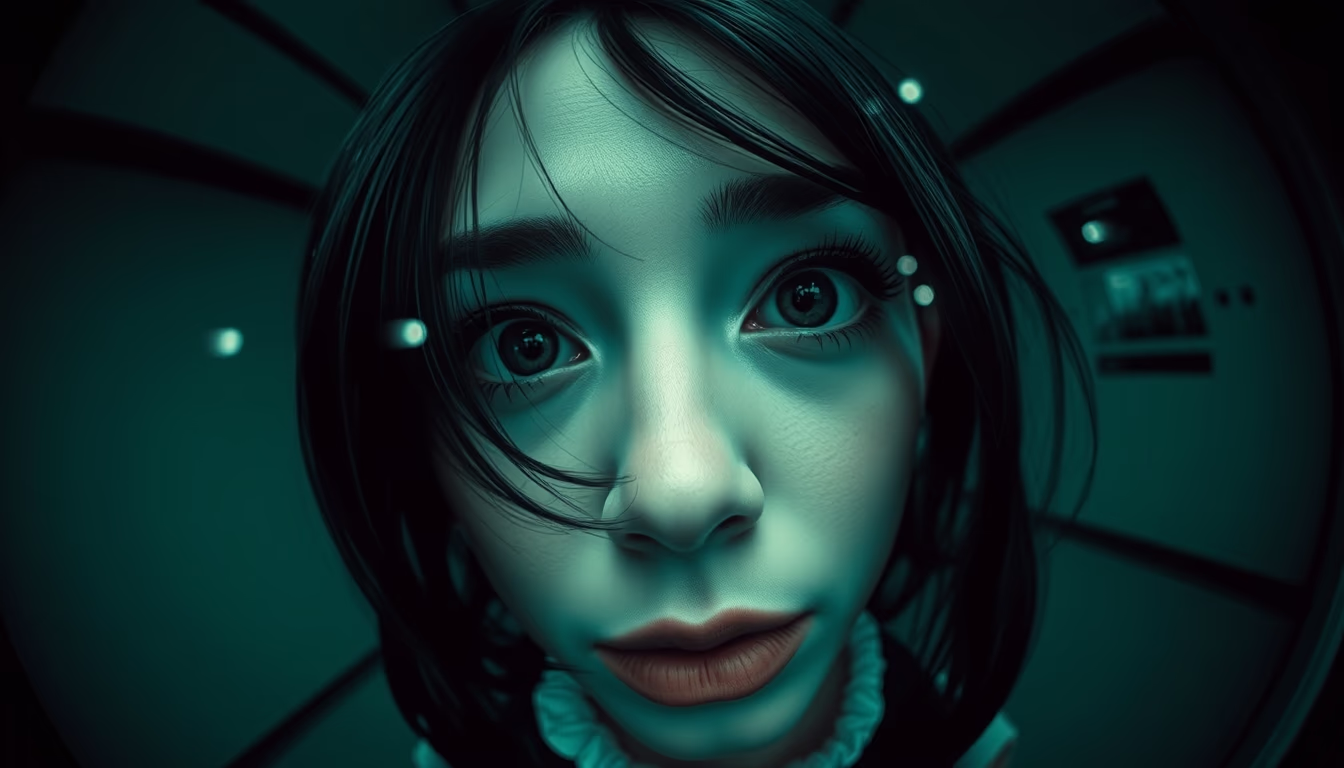
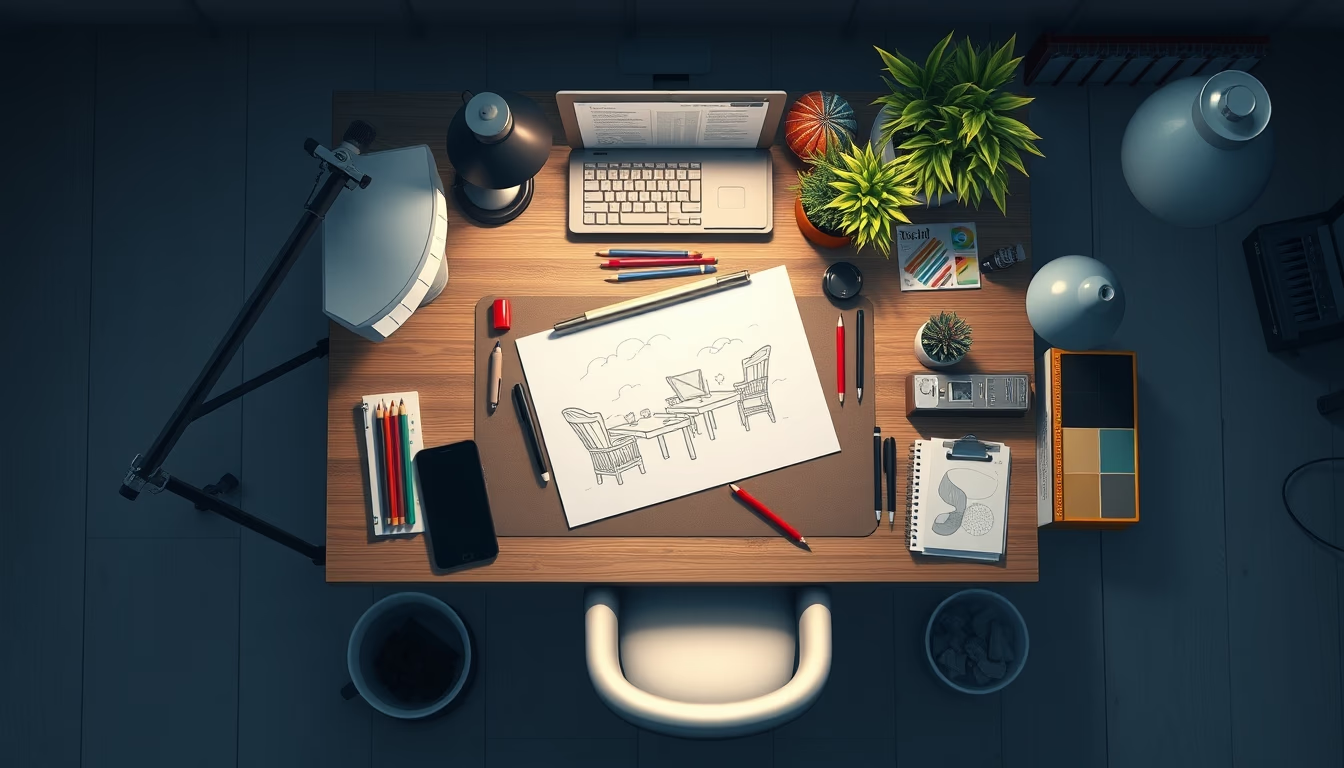
Storyboards are sequential sketches used to plan scenes in films, animations, and advertisements, employing perspectives like fisheye for visual impact.
About this subject
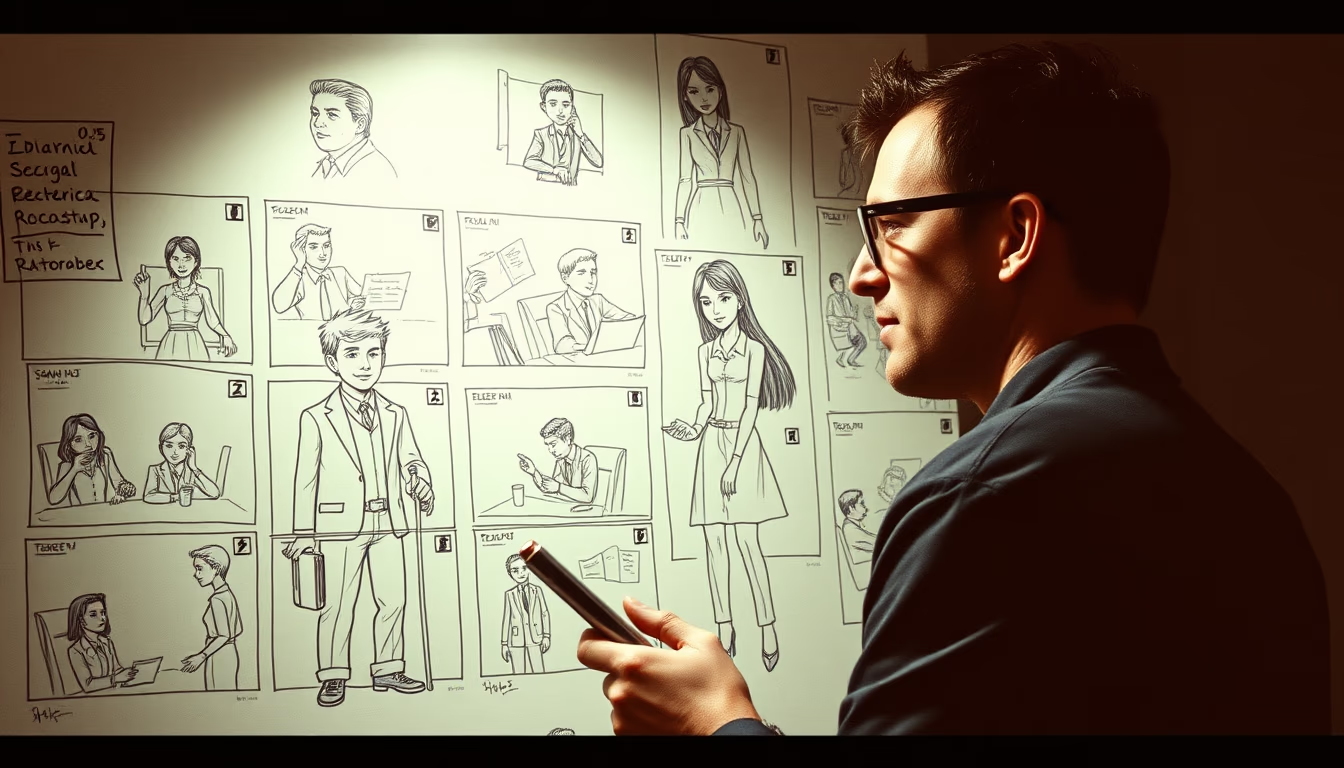
Storyboards serve as a visual script, allowing directors, filmmakers, and animators to pre-visualize the narrative before shooting or digital production. Each panel represents a specific shot, detailing framing, camera movement, composition, and character action. The use of wide-angle and fisheye lenses in storyboards is common to simulate dramatic or claustrophobic angles, amplifying depth of field and distorting space to convey tension or dynamism. This technique is often employed in action scenes, suspense, or subjective point-of-view shots, such as a character in danger.
Historically, storyboarding was popularized by Walt Disney Studios in the 1930s, though its roots go back to silent film artists. With the rise of computer graphics, many productions have shifted to digital storyboards, but hand-drawn sketches are still valued for their speed and expressiveness. Storyboard artists master cinematic language principles, such as the rule of thirds, action lines, and camera axes, adapting them to extreme lenses to communicate emotional intent. Fisheye angles, for instance, require knowledge of optical distortion to ensure that the composition guides the viewer's eye despite the deformation.
In the Brazilian context, storyboards are essential in independent productions and major studios, like TV Globo and award-winning national films. The technique is also applied in video games, where pre-visualization of cutscenes and interactive sequences relies on detailed storyboards. The ability to draw complex perspectives, such as fisheye, is a competitive edge for artists aiming for the international market. Moreover, storyboard practice stimulates visual thinking and narrative problem-solving before production, saving time and resources.
Frequently Asked Questions
What is the difference between a storyboard and an animatic?
A storyboard is a set of static drawings that sequence a scene. An animatic is a rough animated version of the storyboard with temporary sound and timing, used to test narrative pacing.
Why use fisheye perspective in storyboards?
Fisheye perspective creates distortion that widens the field of view and emphasizes depth, ideal for conveying claustrophobia, vertigo, or intense action, as well as adding a distinctive visual style.
What tools are used for professional storyboard drawing?
Professionals use pencil and paper or graphics tablets with software like Photoshop, Clip Studio Paint, or Toon Boom Storyboard Pro. The choice depends on workflow and integration needs with other production stages.
Direct URL
https://pub-c7d6a6ea828543ac903a74a341ccb2e1.r2.dev/imagens/storyboard-sketches-fish-eye-wide-angle-fresh2.avifHow to credit
Include a visible link back to UtilizAí. Copy one of the snippets below:
<a href="https://xn--utiliza-eza.com/en/midia/imagens/storyboard-sketches-fish-eye-wide-angle-fresh2">Storyboard sketches</a> by <a href="https://xn--utiliza-eza.com">UtilizAí</a>, licensed under <a href="https://creativecommons.org/licenses/by/4.0/">CC BY 4.0</a>.
[Storyboard sketches](https://xn--utiliza-eza.com/en/midia/imagens/storyboard-sketches-fish-eye-wide-angle-fresh2) by [UtilizAí](https://xn--utiliza-eza.com), CC BY 4.0
License: CC-BY-4.0