Spider web morning dew
1344×768 · AVIF · CC BY 4.0
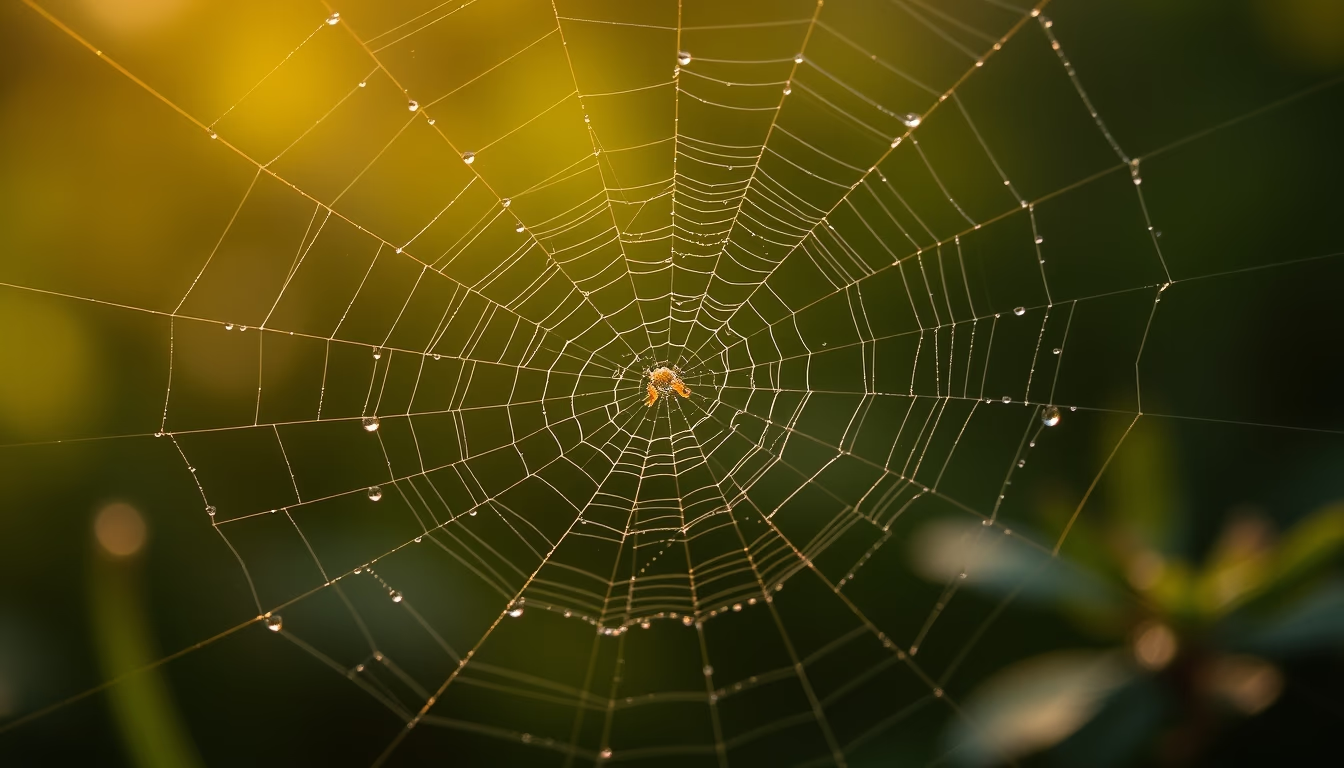
Spider webs covered with morning dew drops create a natural spectacle of geometric precision and ephemeral beauty.
About this subject
Spider webs are silk structures produced by specialized glands located in the abdomen of arachnids. Over 48,000 species of spiders are known worldwide, each building specific web types for various functions such as prey capture, shelter, or reproduction. Spider silk is a biocompatible, biodegradable material that is stronger than steel in proportional tensile strength and incredibly elastic.
Morning dew forms when air moisture condenses on cool surfaces overnight. On webs, droplets adhere perfectly to the silk due to water's surface tension and the hydrophilic nature of the fibers. This phenomenon is most common in spring and autumn mornings when temperatures are mild and relative humidity is high. The droplets act as lenses refracting light, creating stunning visual effects known as "pearl necklaces" or "diamond collars."
Beyond aesthetics, dew serves a practical purpose: it softens the web, making maintenance easier for the spider. Many spiders consume their own webs daily to recycle proteins, then spin new ones. The presence of droplets can also attract insects seeking water, increasing capture efficiency. In Brazil, common orb-weavers like the garden spider (Argiope argentata) and the long-jawed spider (Leucauge sp.) produce ornate webs frequently seen with dew.
Observing dew-covered webs is a practice valued by macro photographers and naturalists, requiring patience and knowledge of spider behavior. The ideal time is at dawn, before the sun evaporates the droplets. Lighting techniques using flash and diffusers capture reflections and silk transparency. Although artistic, such images are also scientific tools for studying silk microstructure and surface hydrodynamics.
Frequently Asked Questions
Why do dew drops stick to spider webs?
Spider silk is hydrophilic, meaning it attracts water. Additionally, water's surface tension causes droplets to form spherical beads that adhere firmly to the fibers, especially where the web is denser.
What is the best time to photograph dew-covered webs?
Dawn is ideal, as the dew is fresh and the low sun illuminates droplets from the side. Soft, diffuse light before evaporation highlights details and reflections.
Do spiders benefit from dew on their webs?
Yes. Dew softens the silk, making repairs and maintenance easier. Also, droplets can attract thirsty insects, increasing the chances of prey capture.
Direct URL
https://pub-c7d6a6ea828543ac903a74a341ccb2e1.r2.dev/imagens/spider-web-morning-dew-fine-art-photography-p1.avifHow to credit
Include a visible link back to UtilizAí. Copy one of the snippets below:
<a href="https://xn--utiliza-eza.com/en/midia/imagens/spider-web-morning-dew-fine-art-photography-p1">Spider web morning dew</a> by <a href="https://xn--utiliza-eza.com">UtilizAí</a>, licensed under <a href="https://creativecommons.org/licenses/by/4.0/">CC BY 4.0</a>.
[Spider web morning dew](https://xn--utiliza-eza.com/en/midia/imagens/spider-web-morning-dew-fine-art-photography-p1) by [UtilizAí](https://xn--utiliza-eza.com), CC BY 4.0
License: CC-BY-4.0