Sourdough bread fresh
1344×768 · AVIF · CC BY 4.0
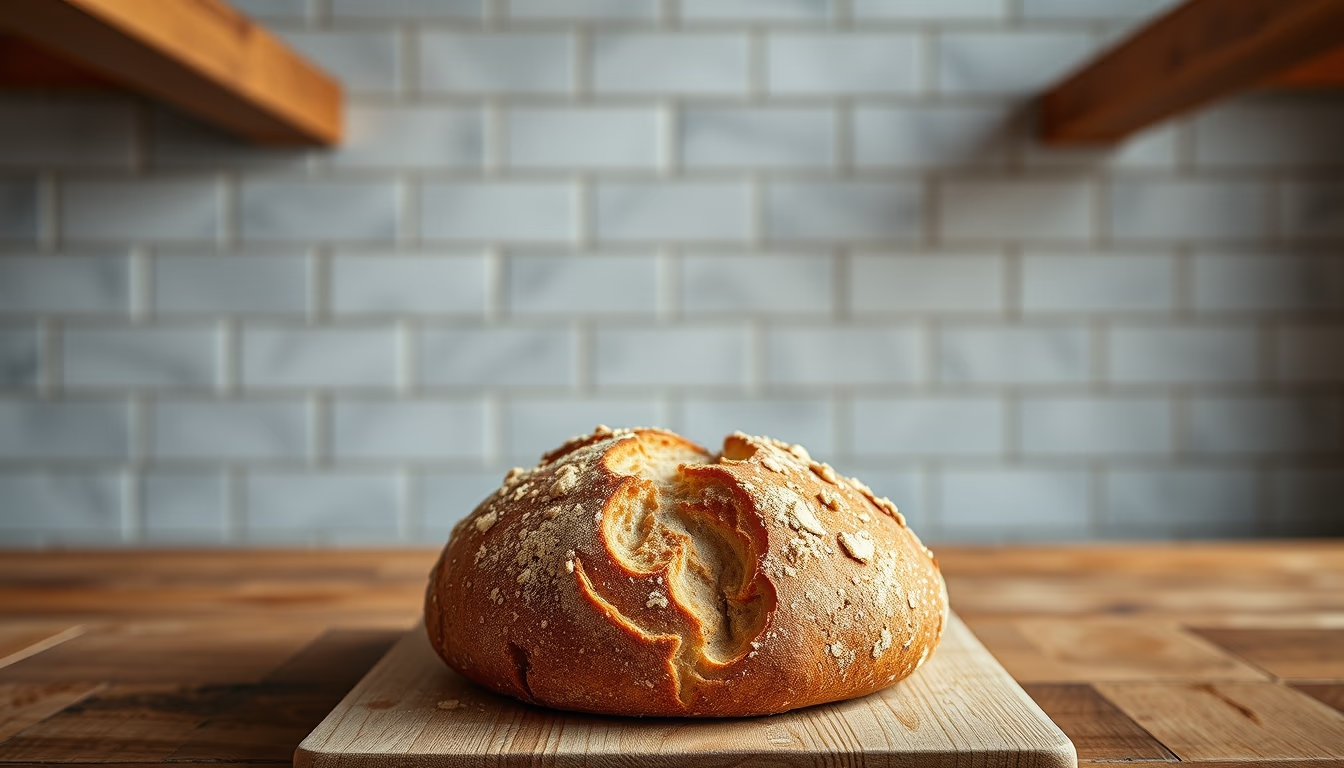
Fresh sourdough bread, known for its natural fermentation and crispy crust, is one of the oldest and healthiest breads in the world.
About this subject
Sourdough bread is produced through natural fermentation, using a culture of wild yeasts and lactic acid bacteria instead of commercial yeast. This ancient technique dates back to ancient Egypt, around 1500 BCE, and was the standard method for making bread until the 19th century when commercial yeast was developed. The natural starter gives the bread a slightly tangy flavor, an airy crumb, and a longer shelf life without preservatives.
Nutritionally, sourdough is often easier to digest than breads made with commercial yeast, as the fermentation breaks down gluten and phytates, enhancing the absorption of minerals like iron and zinc. Studies suggest it has a lower glycemic index, which helps regulate blood sugar levels. Additionally, the probiotic bacteria produced during fermentation may benefit gut health, though most are killed during baking.
Culturally, sourdough is prominent in many traditions: France (pain au levain), Italy (pane di pasta madre), Germany (Sauerteigbrot), and especially the United States, where San Francisco sourdough is famous for its unique flavor due to native yeasts. During the California Gold Rush, miners kept their sourdough starters as prized possessions, earning the nickname "sourdough" for veterans of that era.
Making sourdough at home requires cultivating a "starter" from flour and water, feeding it regularly for about a week. Maintaining this starter takes care, but many home bakers find the process rewarding. The popularity of sourdough skyrocketed during the COVID-19 pandemic as people turned to homemade bread and artisanal cooking. Today, it is a symbol of the slow food movement and the appreciation of fermented foods.
Frequently Asked Questions
What is the difference between sourdough and regular bread?
Sourdough uses natural fermentation with wild yeast and bacteria, while regular bread uses commercial yeast. This gives sourdough a tangy flavor, firmer texture, longer shelf life, and often better digestibility.
Do I need special equipment to make sourdough?
No. You only need flour, water, salt, and a container for the starter. A regular oven and a Dutch oven or pizza stone help achieve a crispy crust, but are not essential. The technique requires patience and practice, not expensive gear.
Is sourdough gluten-free?
No, traditional sourdough contains gluten as it is made from wheat or rye flour. However, natural fermentation reduces gluten content and may be better tolerated by people with mild gluten sensitivity, but it is not safe for celiacs.
Direct URL
https://pub-c7d6a6ea828543ac903a74a341ccb2e1.r2.dev/imagens/sourdough-bread-fresh-architectural-photography-p3.avifHow to credit
Include a visible link back to UtilizAí. Copy one of the snippets below:
<a href="https://xn--utiliza-eza.com/en/midia/imagens/sourdough-bread-fresh-architectural-photography-p3">Sourdough bread fresh</a> by <a href="https://xn--utiliza-eza.com">UtilizAí</a>, licensed under <a href="https://creativecommons.org/licenses/by/4.0/">CC BY 4.0</a>.
[Sourdough bread fresh](https://xn--utiliza-eza.com/en/midia/imagens/sourdough-bread-fresh-architectural-photography-p3) by [UtilizAí](https://xn--utiliza-eza.com), CC BY 4.0
License: CC-BY-4.0