Código de smart contract em monitor com solidity destacado
1344×768 · AVIF · CC BY 4.0
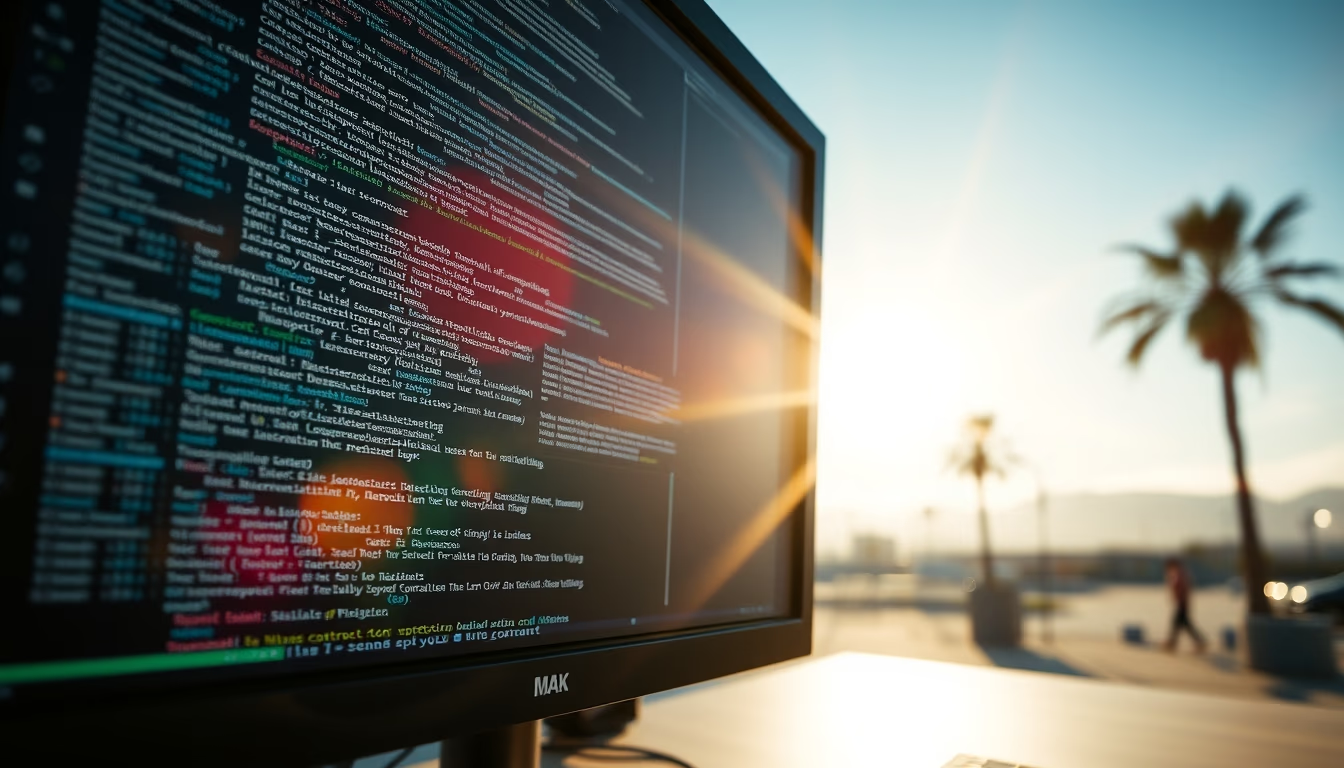
Código de smart contract em Solidity exibido em um monitor, com destaque de sintaxe e iluminação natural intensa.
Sobre o tema
Smart contracts são programas autoexecutáveis armazenados em blockchains como Ethereum, que garantem transparência e imutabilidade das regras acordadas. Escritos predominantemente em Solidity, uma linguagem de alto nível inspirada em C++ e JavaScript, esses contratos são compilados em bytecode e implantados na rede. O código exibido no monitor, com destaque de sintaxe, evidencia a estrutura típica de um contrato: declaração de versão, definição de contrato, variáveis de estado, funções e eventos.
A sintaxe destacada, comum em IDEs como Remix ou Visual Studio Code, facilita a leitura e depuração, especialmente em contratos complexos que gerenciam tokens (ERC-20, ERC-721) ou protocolos DeFi. A iluminação natural intensa, típica de meio-dia, contrasta com o ambiente escuro de muitos setups de desenvolvedores, sugerindo um espaço de trabalho moderno e bem iluminado.
A adoção de smart contracts revolucionou setores como finanças, logística e governança, permitindo a criação de aplicações descentralizadas (dApps). No Brasil, o uso cresce em soluções de tokenização de ativos e registros imobiliários. Entretanto, vulnerabilidades no código, como reentrância e overflow, já causaram perdas milionárias, destacando a importância de auditorias e boas práticas de programação.
Perguntas frequentes
O que é Solidity e por que é usado para smart contracts?
Solidity é uma linguagem de programação de alto nível, orientada a contratos, criada especificamente para desenvolver smart contracts em blockchains compatíveis com Ethereum. Ela oferece tipagem estática, herança e bibliotecas, facilitando a criação de lógicas complexas de forma segura.
Como funciona o destaque de sintaxe em código Solidity?
O destaque de sintaxe usa cores e formatação para diferenciar elementos do código, como palavras-chave, variáveis, funções e comentários. Isso melhora a legibilidade e ajuda a identificar erros rapidamente durante o desenvolvimento.
Quais são os principais riscos de segurança em smart contracts?
Os riscos incluem reentrância, transbordamento de inteiros, acesso não autorizado e problemas de oráculo. Auditorias rigorosas e testes extensivos são essenciais para mitigar essas vulnerabilidades.
URL direta
https://pub-c7d6a6ea828543ac903a74a341ccb2e1.r2.dev/imagens/smart-contract-code-on-monitor-with-solidity-syntax-highlighted-cinematic-wide-shot-bright-midday-sun.avifComo creditar
Inclua um link visível de volta pro UtilizAí. Copie um dos snippets abaixo:
<a href="https://xn--utiliza-eza.com/midia/imagens/smart-contract-code-on-monitor-with-solidity-syntax-highlighted-cinematic-wide-shot-bright-midday-sun">Código de smart contract em monitor com solidity destacado</a> by <a href="https://xn--utiliza-eza.com">UtilizAí</a>, licensed under <a href="https://creativecommons.org/licenses/by/4.0/">CC BY 4.0</a>.
[Código de smart contract em monitor com solidity destacado](https://xn--utiliza-eza.com/midia/imagens/smart-contract-code-on-monitor-with-solidity-syntax-highlighted-cinematic-wide-shot-bright-midday-sun) by [UtilizAí](https://xn--utiliza-eza.com), CC BY 4.0
Licença: CC-BY-4.0
Tags
Imagens relacionadas
 Código de smart contract em monitor com solidity destacado
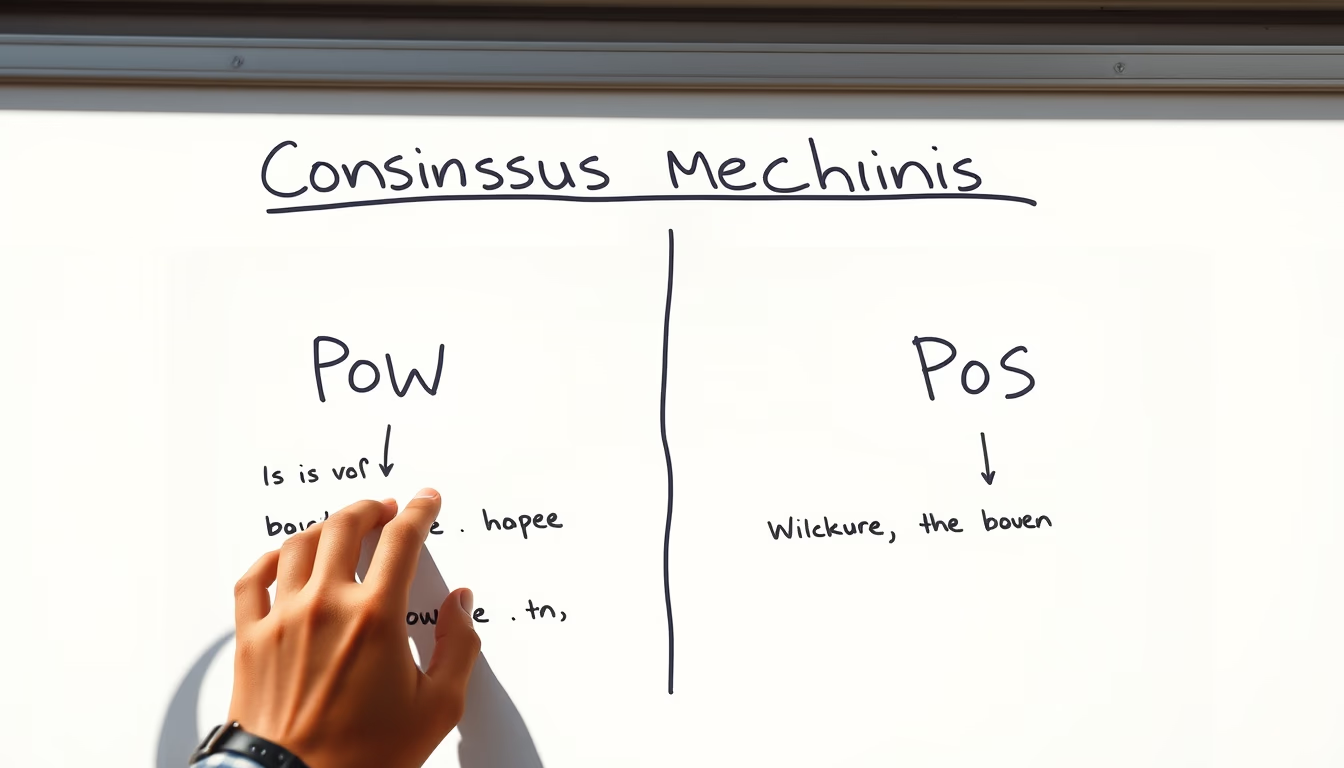 Diagrama de mecanismo de consenso em quadro branco mostrando PoW vs PoS
 Ledger distribuído múltiplos servidores em data center
 Visualização de função hash equações criptográficas em tela de vidro
 Visualização de função hash equações criptográficas em tela de vidro
 Visualização de função hash equações criptográficas em tela de vidro