Ski boots boots snow
1344×768 · AVIF · CC BY 4.0
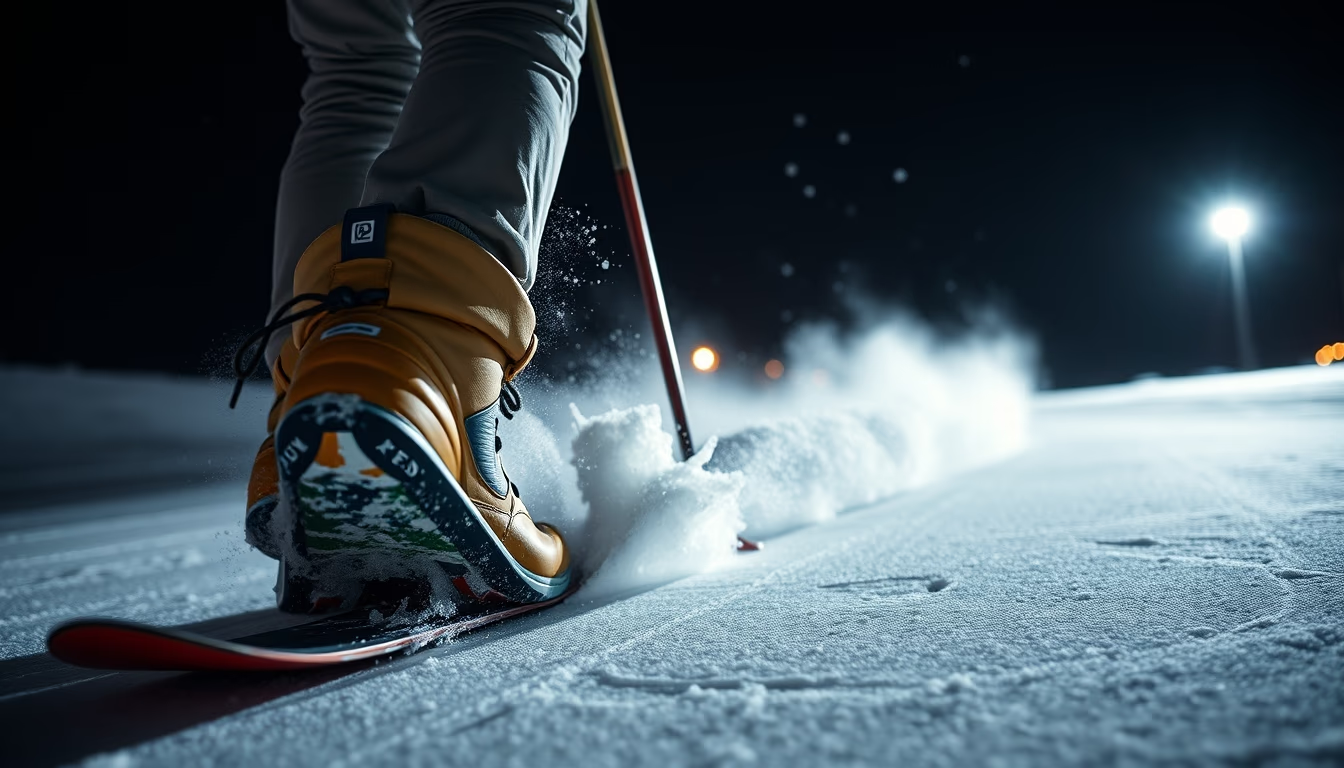
Ski boots are essential equipment for skiing, designed to transmit precise movements to the skis and protect feet from intense cold.
About this subject
Modern ski boots are made of rigid plastics like polyurethane and polyamide, with adjustable buckles that ensure firmness and safety. They are divided into main categories: alpine boots (downhill), with high cuffs and stiffness for high-speed control; cross-country boots, lighter and more flexible for gliding on flat terrain; and telemark boots, which allow ankle flexion. The flex index ranges from 60 to 130: beginners use more flexible ones (60-80), while advanced skiers prefer stiffer models (100+).
The evolution of ski boots began in the early 20th century with leather and lace models, offering little support. In the 1960s, the introduction of injection-molded plastic revolutionized design, allowing greater rigidity and durability. Today, many boots have heat-moldable liners that conform to the user's foot after heating, increasing comfort and precision. Custom footbeds are also common to improve force transmission.
Beyond performance, ski boots play a crucial role in safety. Improper fit can cause ankle or knee injuries. Therefore, it is recommended to try boots with the appropriate ski sock and ensure the heel is locked without play. After use, drying at room temperature and avoiding direct heat sources is important to prevent plastic damage. Storing with buckles closed helps maintain the original shape.
Frequently Asked Questions
How do I find the correct ski boot size?
Size is measured in mondopoint (foot length in cm). Try with thin ski socks. The heel should be snug without slipping, and toes should lightly touch the front when flexed.
What's the difference between alpine and cross-country ski boots?
Alpine boots have high cuffs, are stiff, and lock the heel to the ski for downhill control. Cross-country boots are lower, flexible, and allow heel lift for gliding on flats or uphills.
How to dry ski boots after use?
Remove insoles and open buckles. Dry at room temperature, away from radiators or hair dryers. Use crumpled newspapers inside to absorb moisture. Avoid direct heat, which can warp the plastic.
Direct URL
https://pub-c7d6a6ea828543ac903a74a341ccb2e1.r2.dev/imagens/ski-boots-boots-snow-fine-art-photography-fresh11.avifHow to credit
Include a visible link back to UtilizAí. Copy one of the snippets below:
<a href="https://xn--utiliza-eza.com/en/midia/imagens/ski-boots-boots-snow-fine-art-photography-fresh11">Ski boots boots snow</a> by <a href="https://xn--utiliza-eza.com">UtilizAí</a>, licensed under <a href="https://creativecommons.org/licenses/by/4.0/">CC BY 4.0</a>.
[Ski boots boots snow](https://xn--utiliza-eza.com/en/midia/imagens/ski-boots-boots-snow-fine-art-photography-fresh11) by [UtilizAí](https://xn--utiliza-eza.com), CC BY 4.0
License: CC-BY-4.0