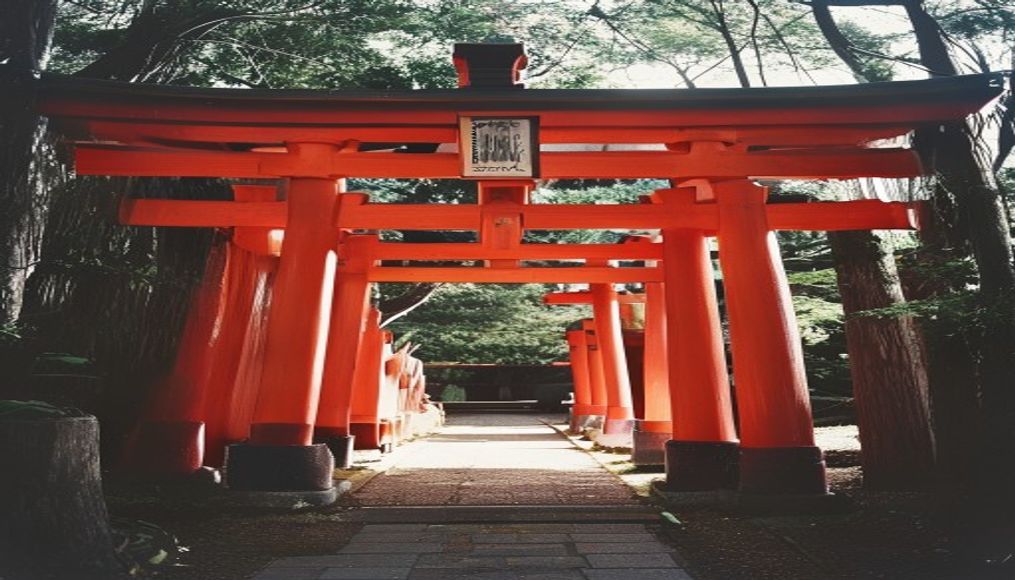
Shinto shrine torii red
1344×768 · JPG · CC BY 4.0
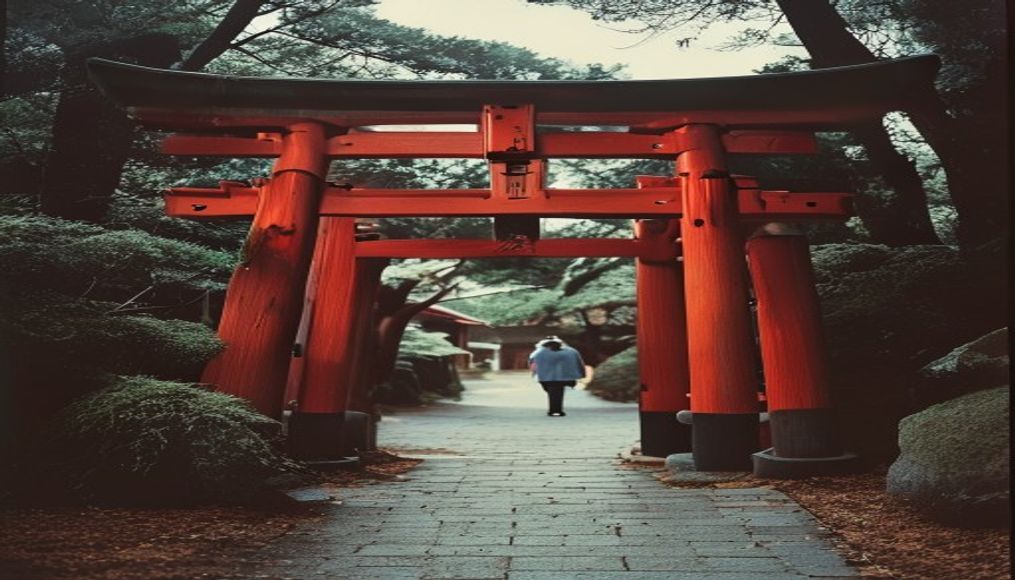
The red torii gate marks the entrance to Shinto shrines, symbolizing the transition from the profane to the sacred in Japanese culture.
About this subject
The torii is a ceremonial gateway found at the entrance of Shinto shrines in Japan. Its primary function is to mark the transition from the everyday world to the sacred space. Traditionally painted bright red, a color that in Shinto symbolizes life, purification, and protection against evil spirits, the torii is one of the most recognizable symbols of Japanese culture. Red is also associated with the god of thunder and vital energy, and the paint, often made from cinnabar, had preservative properties for wood.
The basic structure of a torii consists of two vertical pillars supporting two horizontal beams: the upper (kasagi) and the lower (nuki), which usually extend slightly beyond the pillars. Torii can be made of wood, stone, or metal, and vary in style, such as the common shinmei torii or the more elaborate ryobu torii. The red torii is frequently found at shrines dedicated to Inari, the god of fertility and rice, like the famous Fushimi Inari Taisha in Kyoto, which has thousands of red torii forming a tunnel.
Beyond its religious function, the torii has become a global cultural icon, appearing in films, anime, and art. Its presence indicates not only a place of worship but also a tourist and historical attraction. Many torii are donated by worshippers or companies as acts of devotion, and their names may be inscribed on the beams. The maintenance of the red paint is constant, as the color fades over time and weather, requiring periodic touch-ups.
Interestingly, not all torii are red: some are left in natural wood, especially in older or more austere shrines. However, red remains the dominant color, associated with Yang energy in Chinese philosophy that influenced Japan. The act of passing through a torii, often with a slight bow, is a gesture of respect that prepares the visitor for encountering the divine.
Frequently Asked Questions
Why are torii gates painted red?
In Shinto, red symbolizes life, purification, and protection against evil spirits. Cinnabar paint also helped preserve the wood. The color is associated with Yang energy and the god of thunder.
What is the meaning of passing through a torii?
Passing through a torii represents the transition from the profane to the sacred. It is a gesture of respect, often accompanied by a slight bow, preparing the visitor for the shrine environment.
Do all Shinto shrines have red torii?
No. While red is common, especially at Inari shrines, some torii are natural wood or stone. The color varies depending on local tradition and the enshrined deity.
Direct URL
https://pub-c7d6a6ea828543ac903a74a341ccb2e1.r2.dev/imagens/shinto-shrine-torii-red-film-grain-authentic-p3.jpgHow to credit
Include a visible link back to UtilizAí. Copy one of the snippets below:
<a href="https://xn--utiliza-eza.com/en/midia/imagens/shinto-shrine-torii-red-film-grain-authentic-p3">Shinto shrine torii red</a> by <a href="https://xn--utiliza-eza.com">UtilizAí</a>, licensed under <a href="https://creativecommons.org/licenses/by/4.0/">CC BY 4.0</a>.
[Shinto shrine torii red](https://xn--utiliza-eza.com/en/midia/imagens/shinto-shrine-torii-red-film-grain-authentic-p3) by [UtilizAí](https://xn--utiliza-eza.com), CC BY 4.0
License: CC-BY-4.0