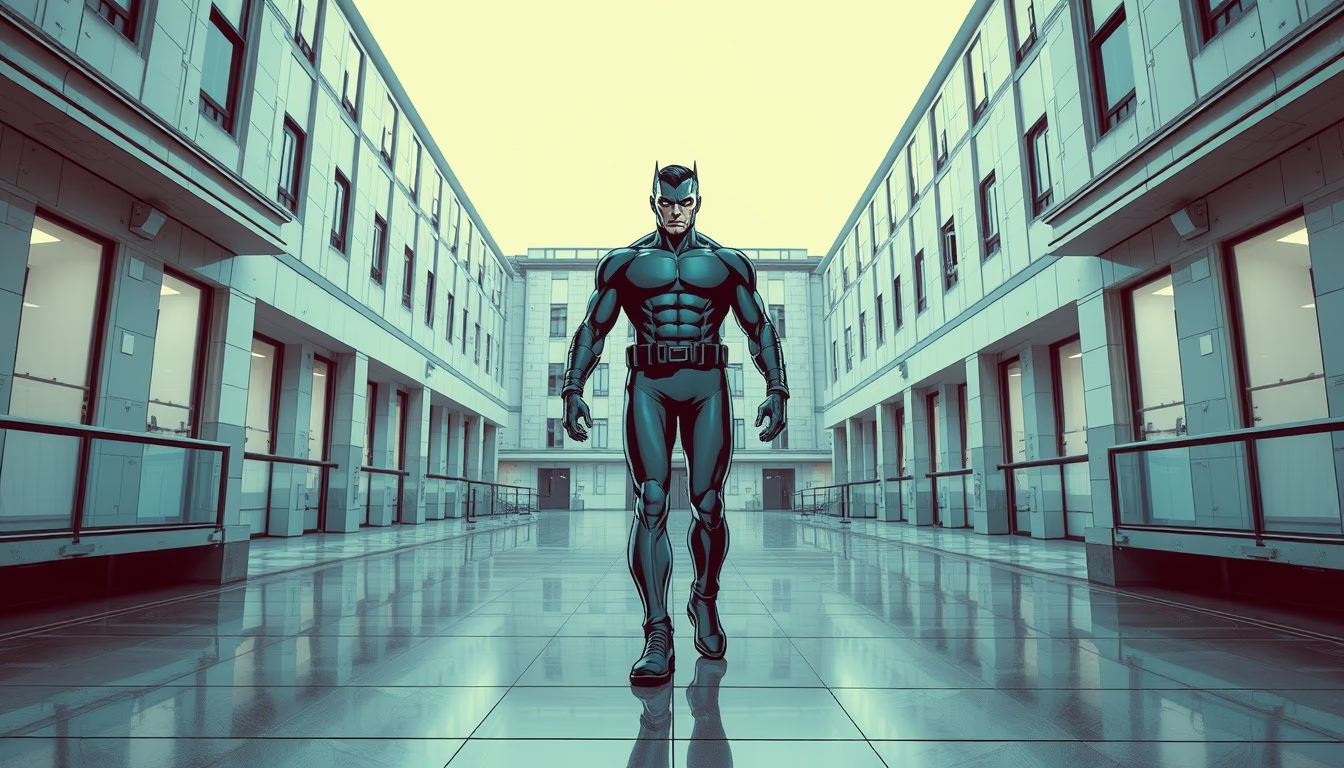
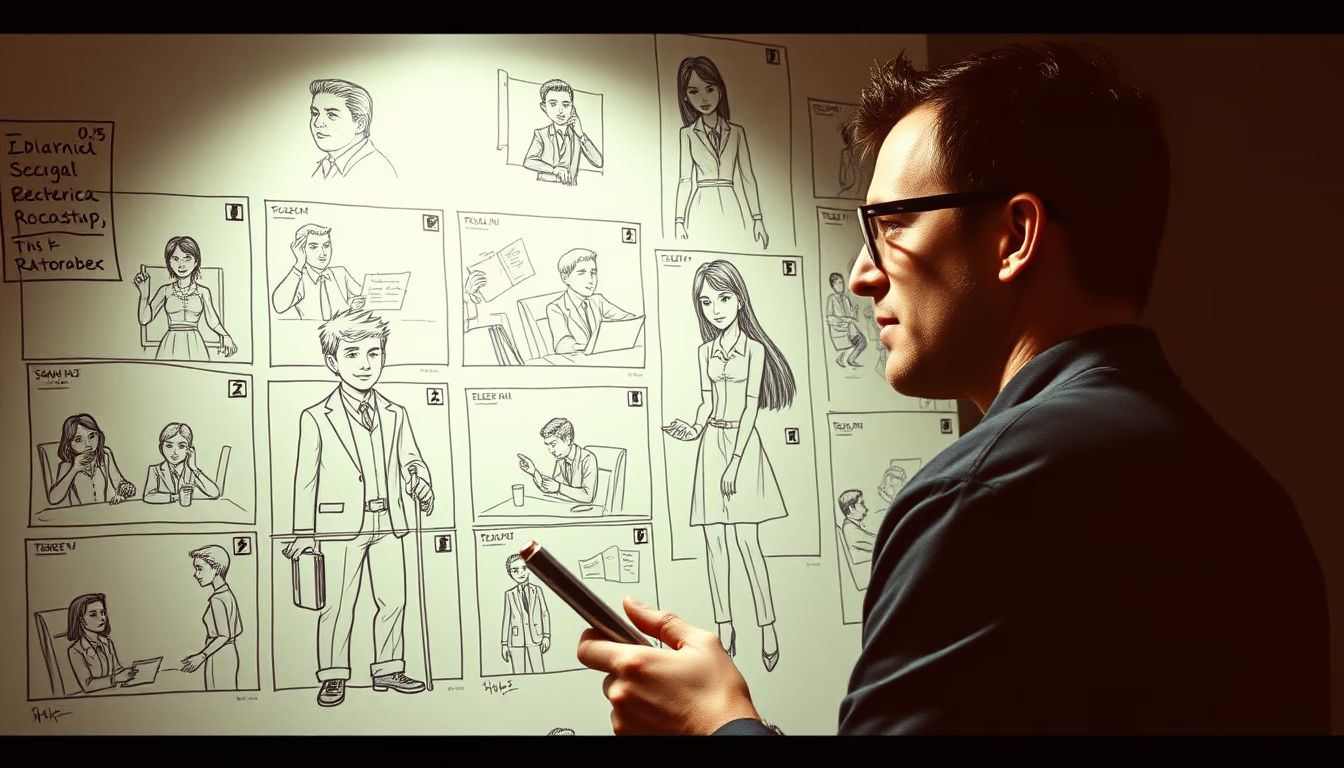
Screentone manga texture
1344×768 · AVIF · CC BY 4.0

Screentone is an essential technique in manga, using dot patterns to create shading and textures, widely employed since the mid-20th century.
About this subject
Screentone, also known as dot screen or halftone sheet, is a graphic resource used in manga and comic production to add shading, textures, and visual effects without manual hatching. The technique originated in the United States in the 1930s with the Ben Day process, but it gained widespread popularity in Japan, especially from the 1960s onward, when artists like Osamu Tezuka began using imported screentone sheets. Typically, these sheets are adhesive films with repetitive patterns of dots, lines, or geometric shapes, which are cut and applied over the original drawing.
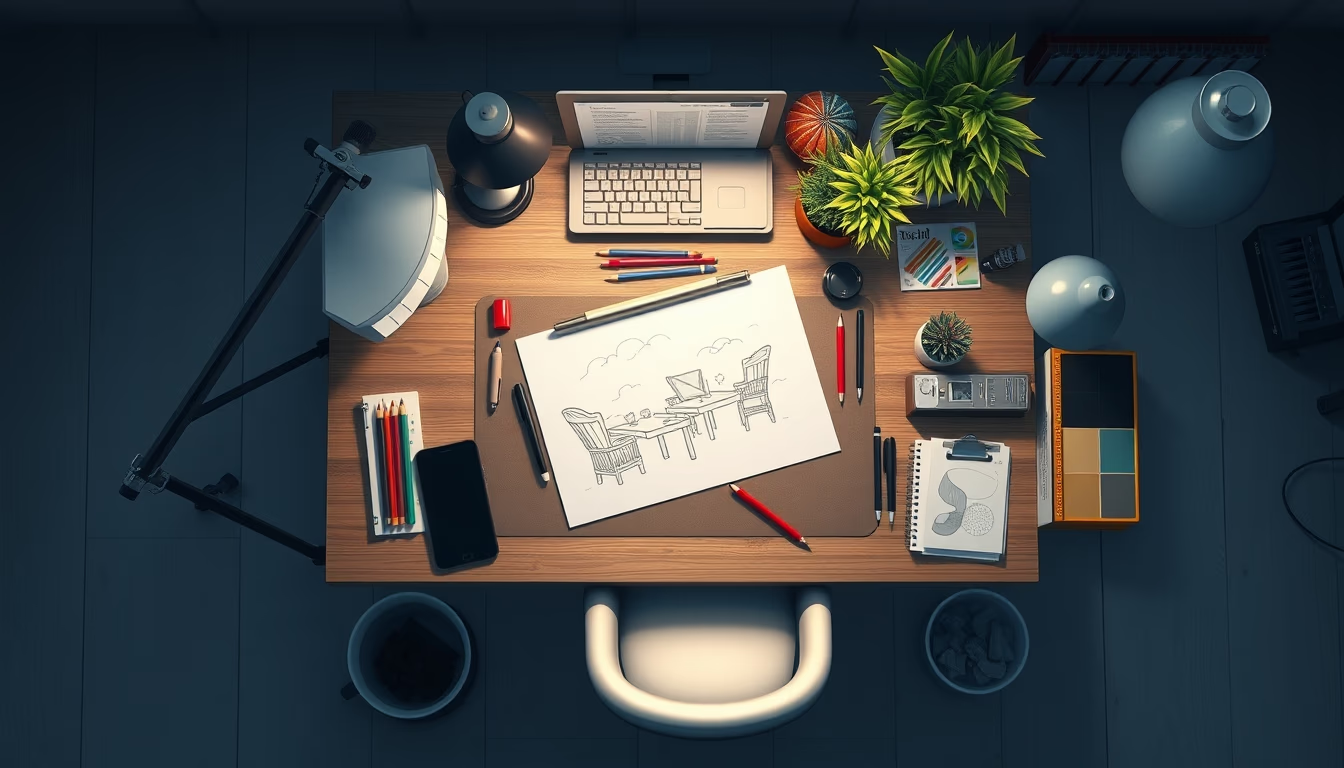
In the traditional process, the artist selects the desired pattern, positions the sheet on the paper, and uses a scalpel to cut and remove excess areas. Different dot densities create tonal gradations, simulating shading, sky, water, fabrics, and other elements. Screentone became a hallmark of manga, particularly in shonen genres where dramatic effects and detailed textures are common. Series like Katsuhiro Otomo's "Akira" and Akira Toriyama's "Dragon Ball" make masterful use of screentone, influencing generations of artists.
With the rise of digital tools, many manga artists have switched to software like Clip Studio Paint, which offers digital screentones with greater flexibility and time savings. However, physical screentone is still prized by collectors and traditional artists, who appreciate the tactile texture and the imperfections of manual cutting. The aesthetics of screentone, regular dots and geometric patterns, have also transcended comics, being incorporated into graphic design, fashion, and even fine art photography, where the texture is isolated and elevated to an object of abstract contemplation.
The cultural importance of screentone goes beyond technique: it represents the materiality of manga as a printed medium, the artist's skill in manipulating grayscale, and the connection between analog and digital. Even in an era of fully digital production, the visual memory of screentone continues to inspire illustrators and designers, keeping alive a graphic tradition that defined the visual language of one of the world's most influential media.
Frequently Asked Questions
What is screentone and what is it used for?
Screentone is an adhesive sheet with patterns of dots, lines, or textures used in manga and comics to add shading, gradients, and visual effects without manual drawing.
How is screentone applied on paper?
The artist cuts a piece of screentone sheet, places it over the drawing, and uses a scalpel to remove the excess. Then presses it to adhere. Layers can be overlapped to create darker tones.
Is screentone still used in digital manga?
Yes, but in digital form. Software like Clip Studio Paint offers brushes and materials that simulate traditional screentone, allowing adjustments in scale, rotation, and opacity.
Direct URL
https://pub-c7d6a6ea828543ac903a74a341ccb2e1.r2.dev/imagens/screentone-manga-texture-fine-art-photography-fresh7.avifHow to credit
Include a visible link back to UtilizAí. Copy one of the snippets below:
<a href="https://xn--utiliza-eza.com/en/midia/imagens/screentone-manga-texture-fine-art-photography-fresh7">Screentone manga texture</a> by <a href="https://xn--utiliza-eza.com">UtilizAí</a>, licensed under <a href="https://creativecommons.org/licenses/by/4.0/">CC BY 4.0</a>.
[Screentone manga texture](https://xn--utiliza-eza.com/en/midia/imagens/screentone-manga-texture-fine-art-photography-fresh7) by [UtilizAí](https://xn--utiliza-eza.com), CC BY 4.0
License: CC-BY-4.0