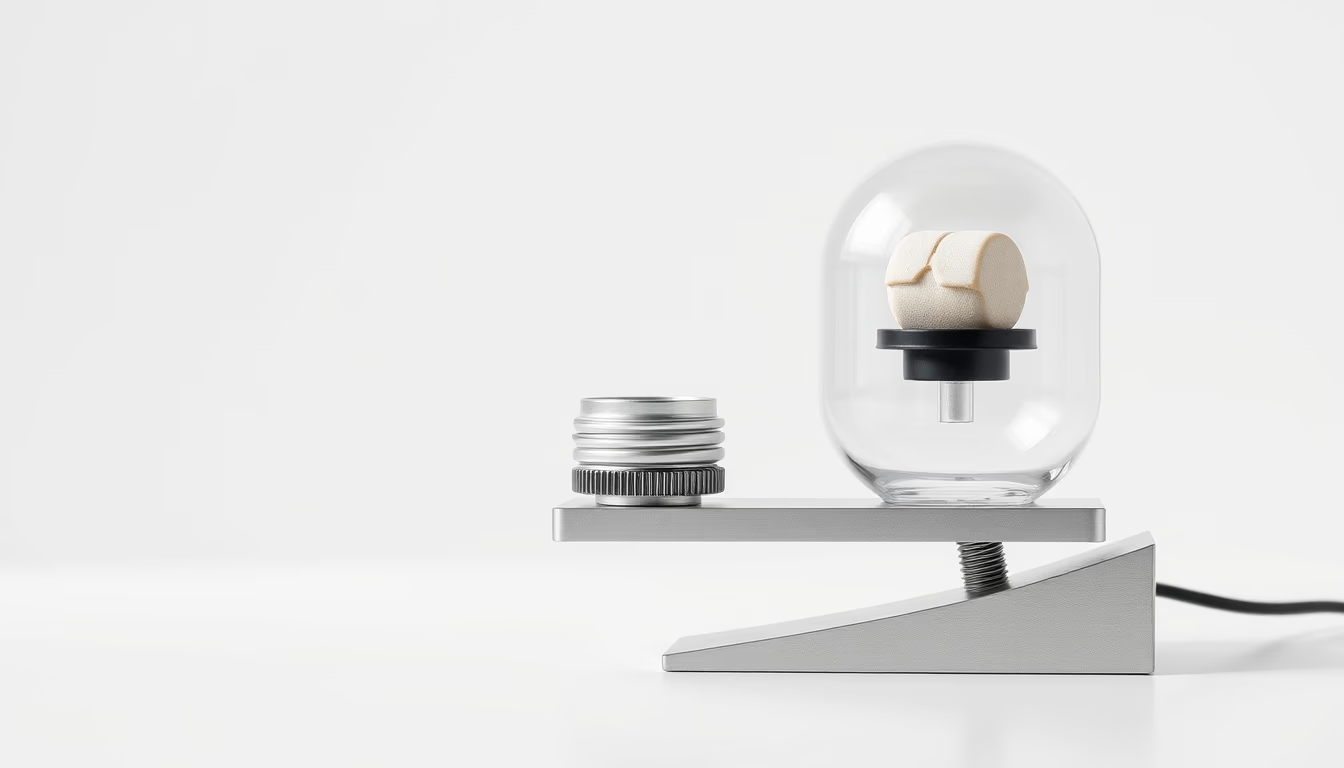
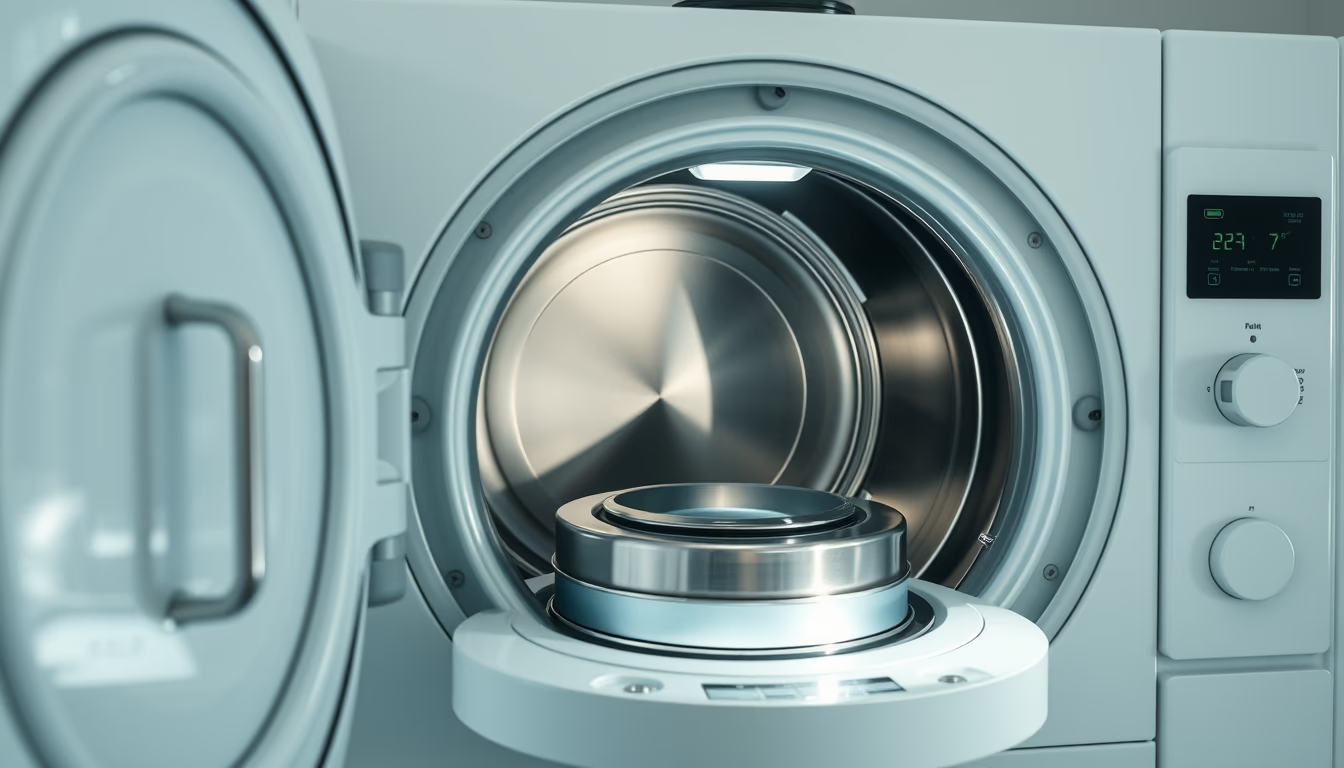
Rotovap evaporator
1344×768 · AVIF · CC BY 4.0
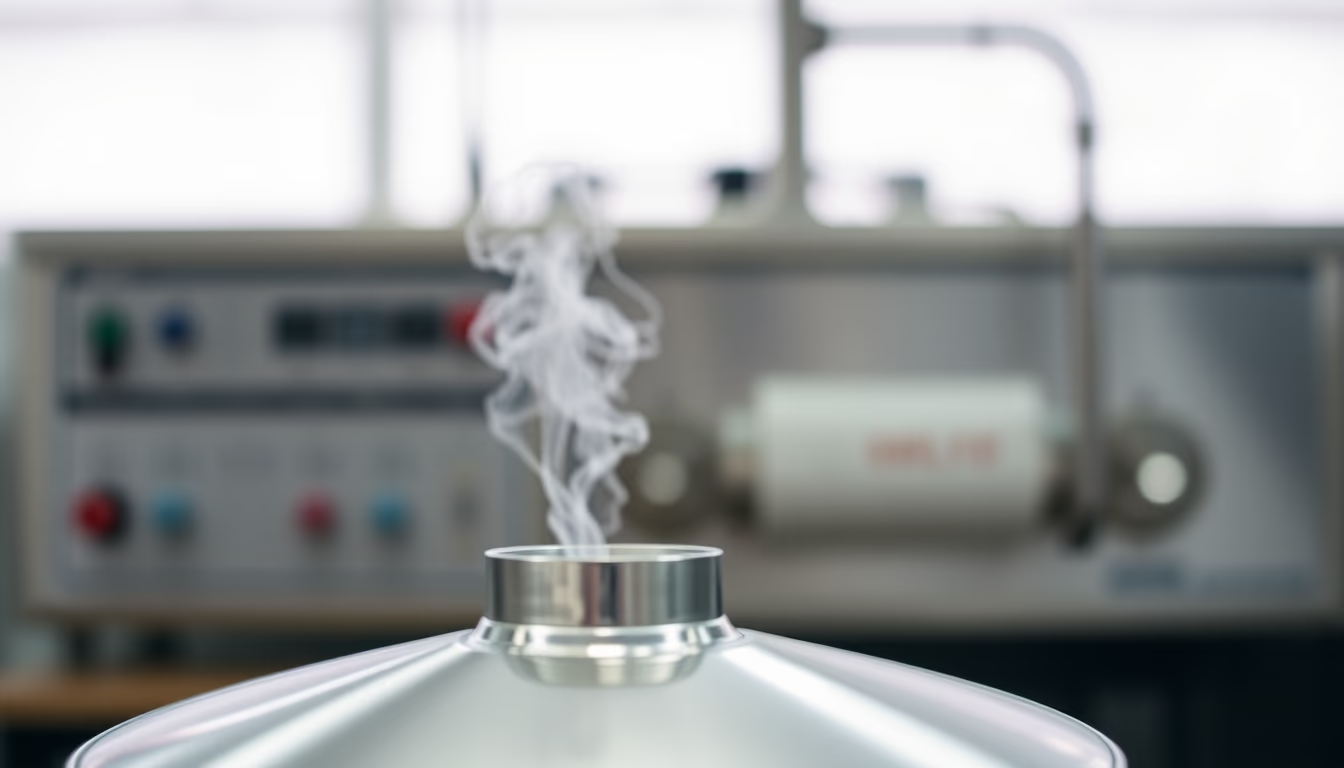
O evaporador rotativo (rotovap) é um equipamento de laboratório essencial para remoção suave de solventes sob pressão reduzida, amplamente usado em síntese química.
Sobre o tema
O evaporador rotativo, conhecido como rotovap, é um equipamento padrão em laboratórios de química orgânica. Sua função principal é evaporar solventes de amostras de forma controlada, utilizando calor controlado, rotação do balão (para aumentar a área superficial) e vácuo (para reduzir o ponto de ebulição do solvente). Inventado pelo químico suíço Walter Büchi em 1957, o rotovap revolucionou a recuperação de solventes e a concentração de compostos sensíveis ao calor.
O princípio de funcionamento combina três fatores: a rotação do balão de fundo redondo cria um filme fino do líquido na parede interna, maximizando a evaporação; o banho-maria aquecido fornece energia sem superaquecimento localizado; e o sistema de vácuo reduz a pressão interna, permitindo que solventes evaporem em temperaturas muito abaixo de seus pontos de ebulição normais. O solvente evaporado é então condensado em um condensador de vidro (geralmente resfriado por água ou gelo) e coletado em um frasco separado.
O rotovap é indispensável em etapas de purificação, isolamento de produtos naturais e na rotina de laboratórios farmacêuticos e acadêmicos. Diferentes modelos oferecem variações como condensadores de dedo frio, controladores automáticos de vácuo e balões de diferentes capacidades (de 50 mL a 20 L). A técnica é preferível à destilação simples para compostos termolábeis, pois evita degradação térmica. Além disso, o equipamento permite recuperar solventes caros, reduzindo custos e resíduos.
Perguntas frequentes
Para que serve um rotovap?
O rotovap serve para evaporar solventes de amostras líquidas de forma suave, sob vácuo e temperatura controlada. É usado para concentrar soluções, recuperar solventes e purificar compostos sensíveis ao calor.
Como funciona um evaporador rotativo?
O balão contendo a amostra é girado imerso em banho-maria enquanto o sistema de vácuo reduz a pressão. A rotação cria um filme fino que acelera a evaporação, e o solvente é condensado e coletado em outro frasco.
Qual a diferença entre rotovap e destilação simples?
No rotovap, a rotação e o vácuo permitem evaporação a temperaturas mais baixas, evitando degradação térmica. Na destilação simples, o líquido é aquecido diretamente a pressão atmosférica, o que pode danificar compostos sensíveis.
URL direta
https://pub-c7d6a6ea828543ac903a74a341ccb2e1.r2.dev/imagens/rotovap-evaporator-tilt-shift-miniature-fresh7.avifComo creditar
Inclua um link visível de volta pro UtilizAí. Copie um dos snippets abaixo:
<a href="https://xn--utiliza-eza.com/midia/imagens/rotovap-evaporator-tilt-shift-miniature-fresh7">Rotovap evaporator</a> by <a href="https://xn--utiliza-eza.com">UtilizAí</a>, licensed under <a href="https://creativecommons.org/licenses/by/4.0/">CC BY 4.0</a>.
[Rotovap evaporator](https://xn--utiliza-eza.com/midia/imagens/rotovap-evaporator-tilt-shift-miniature-fresh7) by [UtilizAí](https://xn--utiliza-eza.com), CC BY 4.0
Licença: CC-BY-4.0