Analytical balance closeup
1344×768 · AVIF · CC BY 4.0
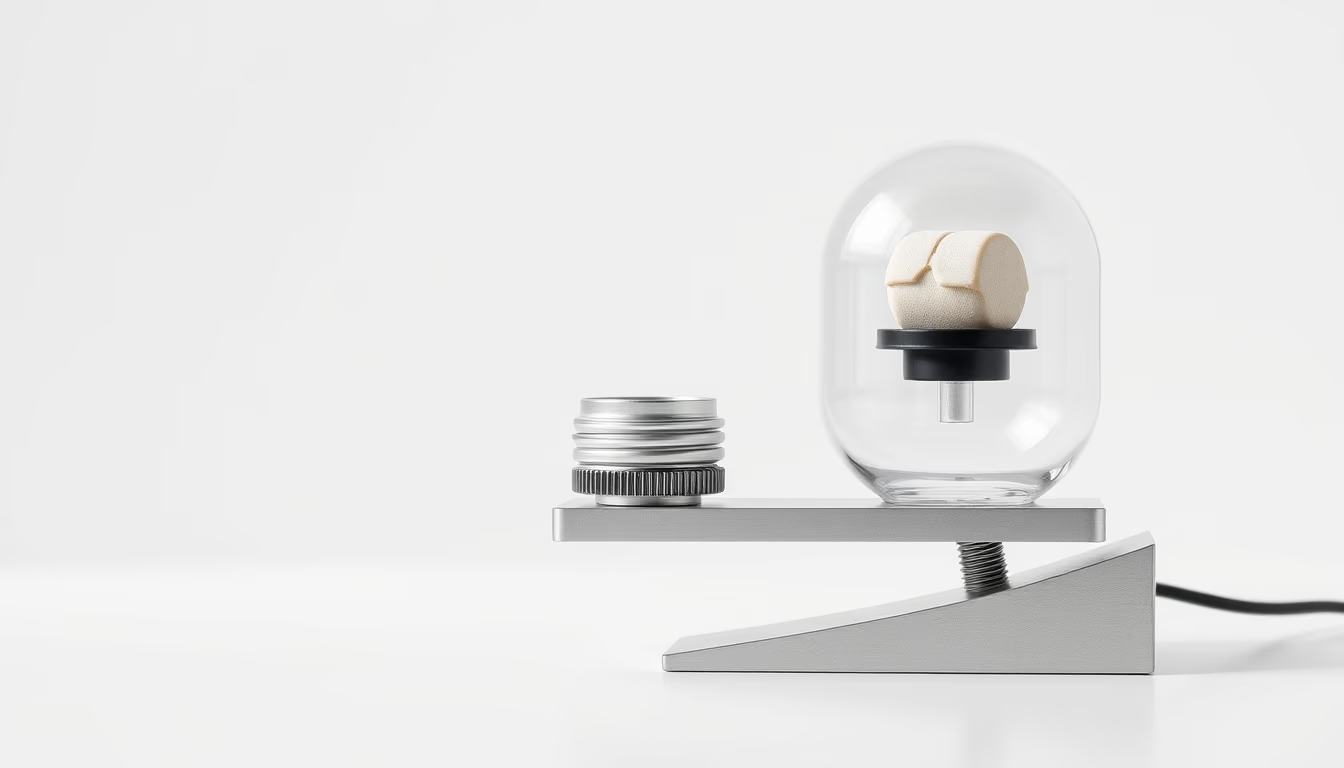
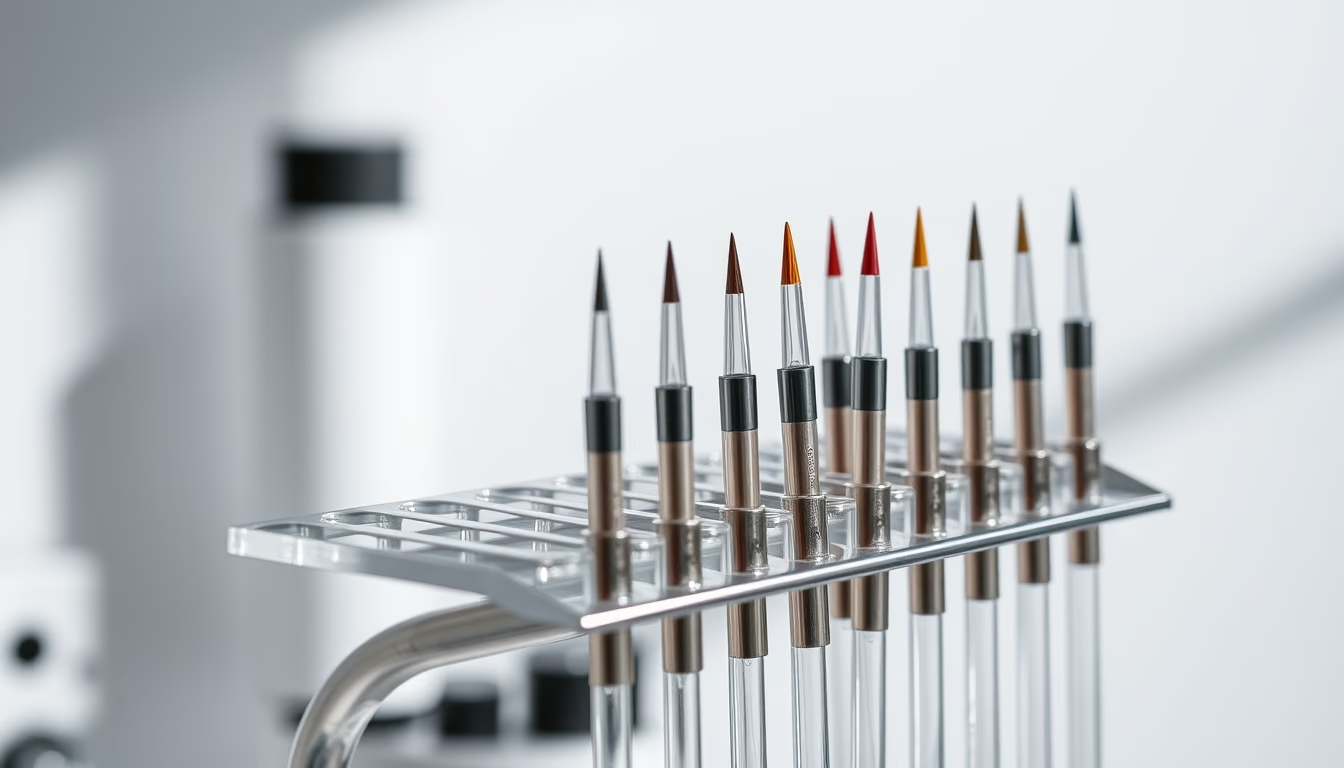
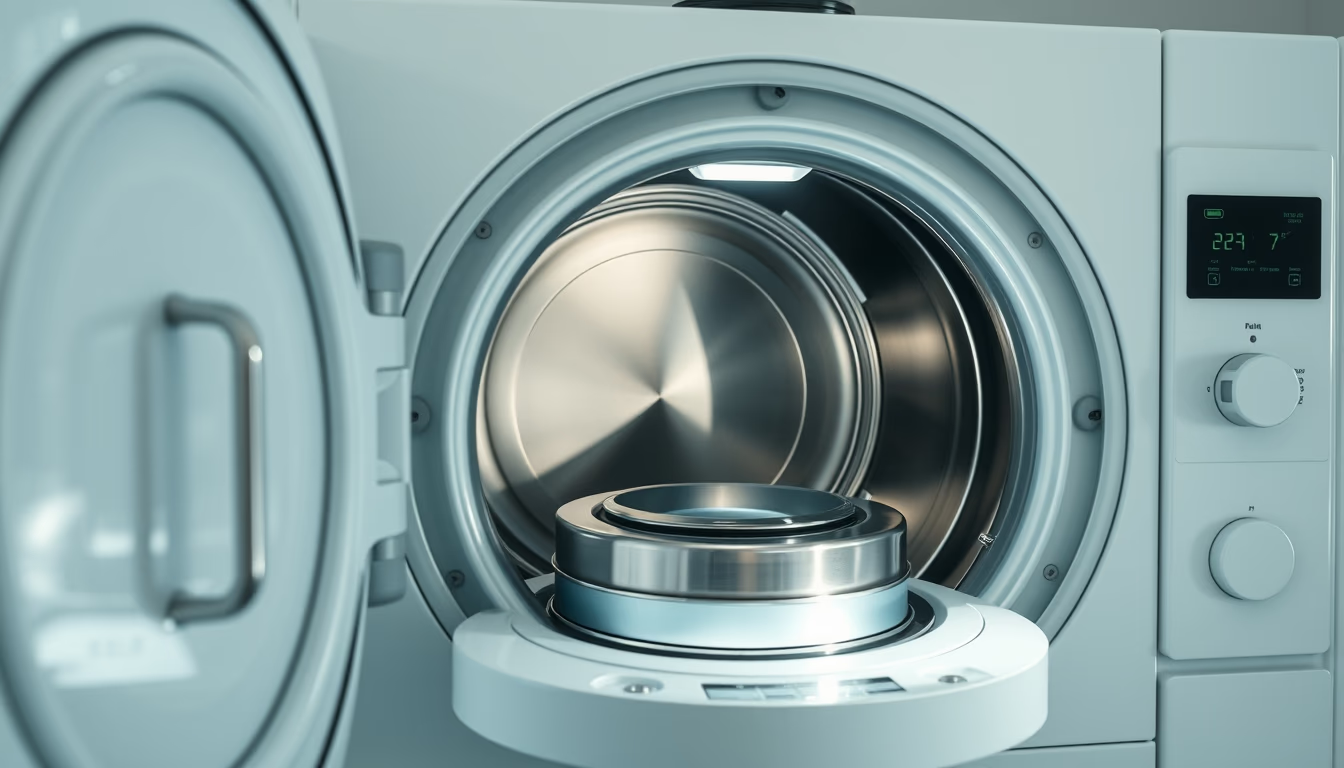
Analytical balance closeup reveals details of a precision balance used in laboratories to measure masses with accuracy up to 0.0001 g.
About this subject
Analytical balances are essential instruments in chemistry, pharmacy, and biology laboratories, capable of measuring masses with precision to four decimal places. They operate with sensitivity to variations of 0.1 mg, requiring a controlled environment without drafts or vibrations. The internal mechanism uses electromagnetic load cells to compensate weight, ensuring stable and repeatable readings.
These devices undergo periodic calibration with certified standards, typically using class E2 or F1 stainless steel masses. Calibration adjusts the linear response of the balance and compensates for temperature effects. Modern models have internal auto-calibration systems, but still require external verification per ISO 17025 standards.
In daily use, the analyst must tare the balance before each weighing, use appropriate containers such as watch glasses or beakers, and avoid touching with bare hands to prevent transfer of sweat or residues. The sliding door of the weighing chamber protects the sample from drafts, a critical factor for microbalances. The final reading is recorded after stabilization of the display, which takes 2 to 5 seconds depending on precision.
Interestingly, the modern analytical balance descends from inventions of the 18th century, such as John Henry's pan balance. Today, electromagnetic compensation technology allows precision of 0.01 mg in high-end models, used for weighing reference standards and trace analysis in forensic and environmental chemistry.
Frequently Asked Questions
What is the typical precision of an analytical balance?
The typical precision is 0.0001 g (0.1 mg), but high-precision models can reach 0.00001 g (0.01 mg).
How to calibrate an analytical balance?
Use certified standard masses (e.g., 100 g) and follow the manufacturer's calibration procedure. Daily calibration with periodic verification by an accredited laboratory is recommended.
What care is needed when using an analytical balance?
Avoid vibrations, drafts, and temperature fluctuations. Always use clean, dry containers and handle with tweezers or gloves to prevent contamination.
Direct URL
https://pub-c7d6a6ea828543ac903a74a341ccb2e1.r2.dev/imagens/analytical-balance-closeup-commercial-product-photography-fresh18.avifHow to credit
Include a visible link back to UtilizAí. Copy one of the snippets below:
<a href="https://xn--utiliza-eza.com/en/midia/imagens/analytical-balance-closeup-commercial-product-photography-fresh18">Analytical balance closeup</a> by <a href="https://xn--utiliza-eza.com">UtilizAí</a>, licensed under <a href="https://creativecommons.org/licenses/by/4.0/">CC BY 4.0</a>.
[Analytical balance closeup](https://xn--utiliza-eza.com/en/midia/imagens/analytical-balance-closeup-commercial-product-photography-fresh18) by [UtilizAí](https://xn--utiliza-eza.com), CC BY 4.0
License: CC-BY-4.0